

Quick Summary
Ginger, garlic, cinnamon, turmeric and green tea have the most support as everyday ingredients for daily wellness, and they work best as food-first additions. Natural does not mean risk-free, so check interactions with medications before adding any concentrated supplement.
- Ginger has moderate evidence, mainly for easing nausea, and works well in tea or stir-fries.
- A practical ceiling for ground cinnamon is about half a teaspoon a day, and Ceylon cinnamon is lower in coumarin.
- Concentrated garlic supplements can increase bleeding risk, so anyone on blood thinners should check with a physician.
- Two to three cups of brewed green tea a day is a reasonable, low-risk way to include it.
- Ashwagandha is not a good first choice for pregnant or nursing people, or for those managing a thyroid condition without guidance.
Table of Contents
- Which Natural Ingredients Actually Support Daily Wellness?
- Why Natural Ingredients Belong in a Daily Wellness Routine
- The Best Herbs for Everyday Health, Ranked by Research Strength
- Food Sources of Wellness Ingredients You Can Start With Today
- Natural Supplement Safety and Interactions to Check First
- How to Choose Natural Supplements You Can Trust
- Where Peakform Nutrition Products Fit in a Daily Wellness Plan
- Building Your Next Daily Wellness Step
- Frequently Asked Questions
Which Natural Ingredients Actually Support Daily Wellness?
Last Updated: November 16, 2026
Most people who reach for a supplement are hoping for a simple answer: take this, feel better. The evidence is more nuanced. Natural ingredients can play a real part in daily wellness, but only when they sit inside a broader routine of balanced eating and regular movement. A healthy lifestyle is a better foundation for health than relying on supplements, and that remains the right starting point for any ingredient list. At Peakform Nutrition, we think the smartest approach is to know what each ingredient can and cannot do, who should be careful, and how to fit it into your day without overcomplicating things.
Why Natural Ingredients Belong in a Daily Wellness Routine
Natural ingredients are best understood as support, not a substitute. Daily wellness generally rests on sleep, hydration, food quality and physical activity. Herbs, botanicals and food-derived compounds can add to that base, but they rarely outperform the basics.
Vitamins and dietary supplements can be beneficial but can also pose health risks. That two-sided reality is why we treat "natural" as a starting point for research, not a guarantee of safety. Plenty of natural substances interact with medications or affect people with certain health conditions.
Watch out: "Natural" does not mean "risk-free." Check interactions before adding any new ingredient, especially if you take prescription medication.
The Best Herbs for Everyday Health, Ranked by Research Strength
A ranking is only useful if it tells you how confident you should be. Below, each ingredient is graded on how consistent the human research is, what the proposed mechanism is, and how easily it fits a normal day. Grades are deliberately conservative: "strong" means multiple human trials point the same direction, "moderate" means the evidence is promising but mixed, and "preliminary" means most support comes from small or early studies.
Ginger, moderate evidence. Ginger's best-supported use is digestive: several human trials find it can ease nausea, including motion sickness and mild pregnancy-related nausea under a physician's guidance. The proposed mechanism involves gingerols and shogaols, compounds that appear to influence digestive motility and inflammatory signaling. Everyday use is easy, a teaspoon of fresh grated ginger in tea or a stir-fry is a familiar, modest amount.
Turmeric, moderate for joint comfort, preliminary for much else. Curcumin, turmeric's main active compound, has been studied for joint comfort and general inflammatory support, but results vary widely and absorption from food is low. Black pepper contains piperine, which can increase curcumin absorption, which is why the two are often paired in cooking. A common pattern is to treat turmeric as a food-first ingredient, a half teaspoon in soups, rice, or scrambled eggs, rather than expecting capsule-level effects from a pinch.
Garlic, moderate evidence. The active compound allicin forms when garlic is crushed or chopped and allowed to rest briefly before cooking. Watch out: garlic can increase bleeding risk, so anyone on blood thinners or scheduled for surgery should check with a physician before using concentrated garlic supplements.
Cinnamon, moderate for blood sugar support, preliminary for other claims. Cassia cinnamon contains coumarin, which can be hard on the liver in large amounts over time; Ceylon cinnamon is lower in coumarin. A practical ceiling is about half a teaspoon a day of ground cinnamon in oatmeal, yogurt, or coffee.
Ashwagandha, preliminary to moderate, dose unclear. It is not a good first choice for anyone who is pregnant, nursing, or managing a thyroid condition without medical guidance.
Green tea, moderate evidence. Brewed tea delivers a modest, food-like amount; concentrated extracts are a different category and have been linked to liver concerns at high doses. For most people, two to three cups of brewed green tea a day is a reasonable, low-risk way to include it.
Rosemary, oregano, and other culinary herbs, preliminary, but low-risk. These herbs add flavor that helps make a plant-forward diet easier to enjoy, and they are a familiar part of everyday cooking.
A simple way to use this ranking: favor food-first ingredients (ginger, garlic, cinnamon, turmeric, green tea) as everyday staples, and treat botanicals like ashwagandha as optional add-ons to discuss with a clinician rather than automatic daily picks.
The article grades each ingredient by how strong the human research is, so here is a quick summary of where each one stands.
| Ingredient | Research strength | Best-supported use |
|---|---|---|
| Ginger | Moderate | Easing nausea |
| Turmeric | Moderate for joints, preliminary otherwise | Joint comfort |
| Garlic | Moderate | General wellness, with bleeding caution |
| Cinnamon | Moderate for blood sugar | Blood sugar support |
| Ashwagandha | Preliminary to moderate | Optional, discuss with a clinician |
| Green tea | Moderate | Two to three brewed cups a day |
| Rosemary and oregano | Preliminary, low risk | Everyday cooking |
Food Sources of Wellness Ingredients You Can Start With Today
Before you buy a single supplement, look at what you already eat. Many of the ingredients people chase in capsules appear in ordinary food. Ginger and turmeric work well in soups and stir-fries. Garlic and rosemary add flavor to roasted vegetables. Cinnamon fits into oatmeal or yogurt.

A food-first approach also makes it easier to judge how much you are actually getting. A teaspoon of ground ginger in a meal is a familiar, modest amount. If you want a convenient daily option, our greens product can add plant nutrients to a routine that already includes whole foods.
Natural Supplement Safety and Interactions to Check First
Most roundups stop at "talk to your doctor." A more useful safety guide names the specific ingredients, the specific interactions, and the specific people who should skip them. The table below is organized so you can scan for your own situation before you buy anything.
Ingredient-specific cautions
- Ginger: Generally safe in food amounts. Concentrated supplements may increase bleeding risk and can interact with warfarin and other anticoagulants. People with gallstones should use caution.
- Turmeric (curcumin): Can increase bleeding risk at high doses and may interfere with blood thinners. High-dose extracts have been linked to liver concerns in some people; food amounts are the safer starting point. People with gallstones or bile duct obstruction should avoid concentrated forms.
- Garlic: Concentrated supplements can increase bleeding risk and may reduce the effectiveness of some medications, including certain HIV and transplant drugs. Stop concentrated garlic supplements at least a week before surgery if your physician advises it.
- Cinnamon: Cassia cinnamon is high in coumarin, which can stress the liver at high intakes over time. People with liver conditions should favor Ceylon cinnamon and keep intake modest.
- Ashwagandha: May affect thyroid hormone levels and blood sugar; people with thyroid conditions, diabetes, or autoimmune conditions should consult a clinician first. Not recommended during pregnancy or nursing.
- Green tea extract: Concentrated EGCG extracts have been associated with liver injury in some cases, especially when taken on an empty stomach or at high doses. Brewed tea is a lower-risk format.
- St. John's wort: A well-known strong interactor, it can reduce the effectiveness of many prescription drugs, including certain antidepressants, birth control pills, and blood thinners. It is not a casual daily add-on.
Who should be especially careful
Pregnant or nursing women, children, people over 65, anyone taking prescription medication, and anyone with liver, kidney, thyroid, or bleeding disorders should treat every new ingredient as a conversation with a clinician rather than a personal experiment. People with anxiety disorders or stimulant sensitivity should be cautious with concentrated botanicals and high-caffeine extracts.
Timing and stacking
A common pattern is accidental overlap: a multivitamin, a greens powder, and a separate herbal capsule can all contain the same ingredient, pushing you past a sensible amount without your noticing. Read every label and add up the totals. Take supplements with food unless the label says otherwise, and space out ingredients that affect the same system, for example, do not stack multiple blood-thinning herbs in the same day without medical guidance.
When to stop and call a professional
Stop a new supplement and seek advice if you notice unusual bruising or bleeding, yellowing of the eyes or skin, persistent stomach upset, a racing heart, or a new rash. Keep a simple written log of what you take and when, so a clinician can see the full picture quickly. Our gut health and personalized nutrition guide walks through how to think about these questions against your own health profile.
How to Choose Natural Supplements You Can Trust
Trust comes from transparency. Look for a complete ingredient list with exact amounts, not proprietary blends that hide the dose. Consider whether the manufacturer describes its manufacturing practices. Read the caution and storage instructions on the label, and avoid products with damaged safety seals.
Price alone tells you little. Compare cost per serving and the quality of the formula. A reputable consumer guidance on evaluating supplement quality is a good companion resource when you are weighing options. Our brand fit checklist can help you judge whether a product matches your goals.
Where Peakform Nutrition Products Fit in a Daily Wellness Plan
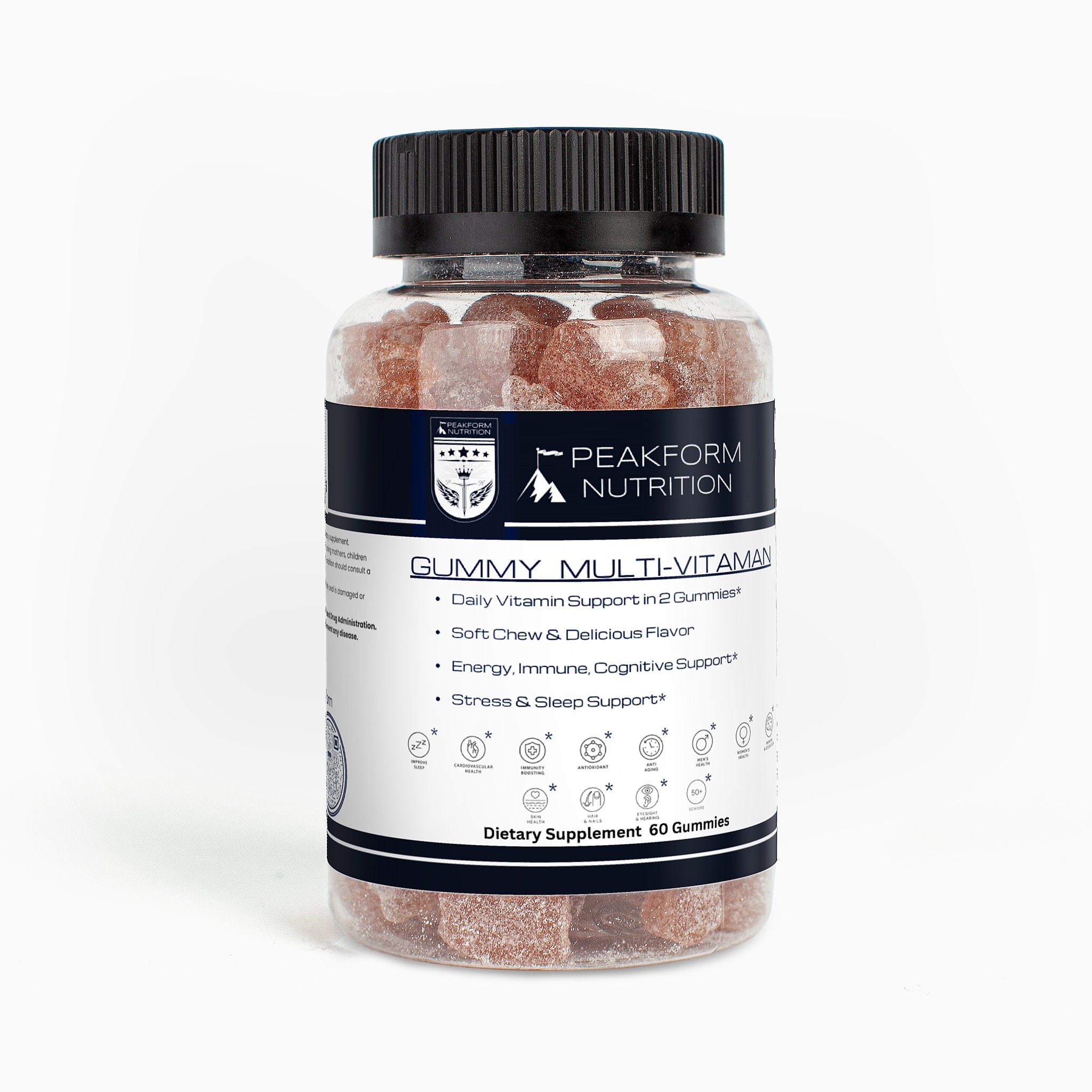
Our product line is built around a simple idea: give you a clear, convenient way to add nutrition support to the habits that matter most. Our Peakform Nutrition Multivitamin Gummies (Adult) are priced at $24.99 for 60 gummies and are designed to support overall wellness. Take two gummies once a day as a dietary supplement, and check with a physician first if you are pregnant, nursing or managing a medical condition.
Our NMN capsules at $55.00 provide 500 mg of beta-nicotinamide mononucleotide per serving, taken as one capsule daily. Our Aphrodite's Blessing Perfect Hydration Moisturizer is priced at $65.00 for 1.7 fl oz. None of these products is intended to diagnose, treat, cure or prevent any disease.
Peakform Nutrition product prices
Building Your Next Daily Wellness Step
Start small. Pick one habit to strengthen this week, such as adding a serving of leafy greens to lunch or setting a consistent bedtime. Add a single new ingredient only after you have reviewed its safety, and give it time before judging the result. Keep a simple note of what you take and how you feel.
Frequently Asked Questions
What natural ingredients are good for daily wellness?
Ingredients with the strongest everyday track record include ginger, turmeric, garlic and cinnamon, which are easy to add to meals and tea. Omega-3 fatty acids from fish or seeds and vitamin D are also widely studied for general wellness. Research strength varies by ingredient, so it helps to treat these as supportive parts of a balanced diet rather than standalone fixes. Start with one or two you already enjoy and build from there.
Are natural supplements safe to take every day?
Many natural supplements are safe for most healthy adults when taken at labeled amounts, but safety depends on the ingredient, the dose and your health history. Some herbs can interact with prescription medications or affect people who are pregnant, nursing, under 18 or managing a medical condition. Vitamins and dietary supplements can carry health risks as well as benefits. Check with a physician or pharmacist before starting a daily routine, especially if you take medication.
Should I get nutrients from food or supplements?
Food should be the foundation, since whole foods provide fiber and nutrients that work together. Supplements can fill specific gaps, such as a lab-confirmed deficiency or a diet that excludes certain foods. A healthy lifestyle, including a balanced diet and regular physical activity, is a better foundation for health than relying on supplements. Use supplements to complement good eating habits, not replace them.
How do I choose a quality natural supplement?
Look at the ingredient list and confirm each amount, then check the serving size and suggested use on the label. Products that name specific forms, such as Vitamin D as cholecalciferol, give you more information than vague blends. Read the caution and warning statements, and avoid anything with a damaged safety seal. Peakform Nutrition's Multivitamin Gummies, for example, list every ingredient and suggested use of two gummies once a day at $24.99 for 60 gummies.
