

Table of Contents
- What Is Supplement Stacking and Why It Matters
- Identifying Your Nutritional Gaps Before You Stack
- Best Stimulant Free Pre-Workout 2026 and Core Stack Foundations
- How to Time Your Supplements for Maximum Absorption
- Common Supplement Interactions to Avoid
- Building Your Performance Stack: Step-by-Step
- Safety, Dosages, and When to Reassess Your Stack
- Frequently Asked Questions
Last Updated: September 19, 2026
What Is Supplement Stacking and Why It Matters
Learning how to stack supplements for better performance combines multiple supplements strategically to enhance athletic performance, recovery, and fitness outcomes by leveraging nutrient synergy, where certain compounds work together more effectively than alone.
Intense training creates multiple nutritional gaps simultaneously: energy depletion, muscle breakdown, delayed recovery, and reduced endurance capacity. A single supplement addresses one piece; a well-designed stack addresses all of them.
Strategic stacking prevents wasted spending on incompatible products and delivers measurable improvements in strength, endurance, recovery speed, and training consistency.
Identifying Your Nutritional Gaps Before You Stack
Before stacking, identify your actual nutritional gaps, they depend entirely on your training style, goals, and current diet, not marketing claims.
Ask three questions: First, what's your primary training goal? Strength athletes need different support than endurance athletes, a powerlifter benefits from creatine monohydrate, while an endurance runner needs electrolytes and beta-alanine.
Second, what does your current diet contain? If you're already consuming adequate protein, adding powder won't help. If you're eating minimal vegetables, address micronutrient deficiencies before investing in ergogenic aids.
Third, what specific adaptation are you chasing, faster recovery, increased strength, or better mental focus? Your answer determines which compounds belong in your stack.
Best Stimulant Free Pre-Workout 2026 and Core Stack Foundations
For how to stack supplements for better performance, start with a quality stimulant-free pre-workout formula that delivers performance benefits without jitters, anxiety, or cardiovascular stress.
Ambrosia Pre-Workout Powder delivers mental focus through nootropics, blood flow enhancement via nitric oxide ingredients, and reduced soreness through beta-alanine and malic acid, addressing the three core pre-workout needs: mental clarity, muscular endurance, and recovery support.

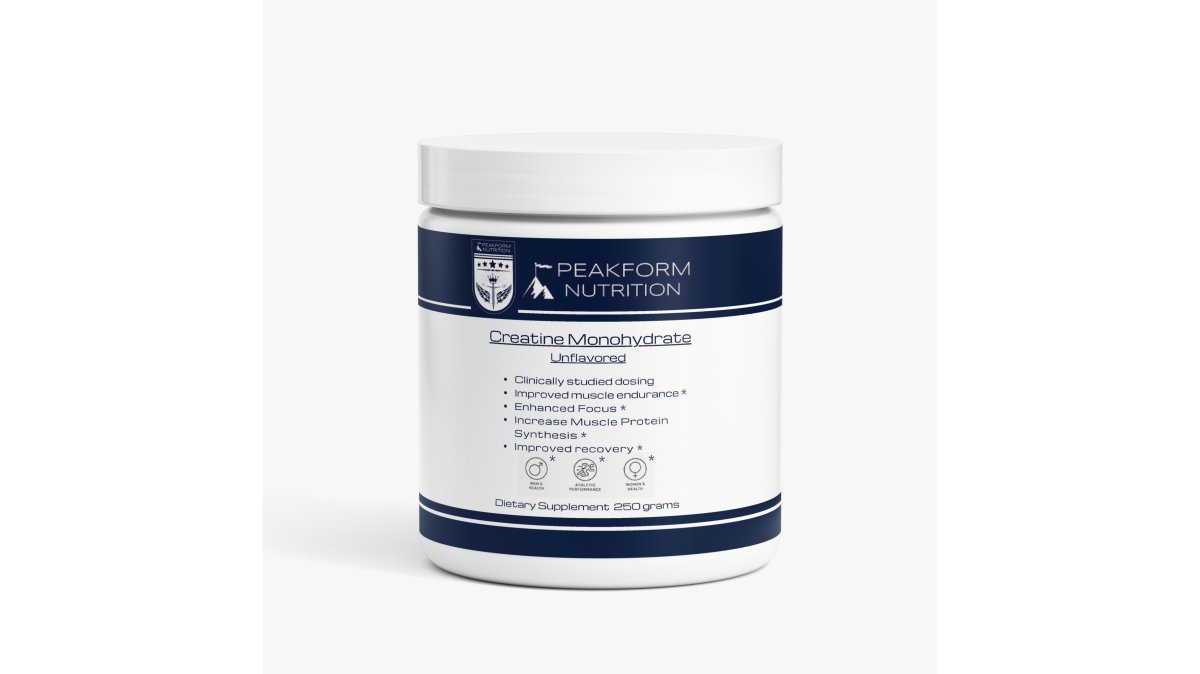
Your core stack foundation needs three elements: BCAAs for muscle protein synthesis, creatine monohydrate for cellular energy, and post-workout protein for recovery. The Peakform Nutrition Workout Basics Bundle combines all three.
This foundation addresses primary training demands: pre-workout energy and focus, intra-workout glycogen sparing, and post-workout protein synthesis.
How to Time Your Supplements for Maximum Absorption
The best stack delivers suboptimal results if timing and absorption are wrong. Bioavailability depends on when you take it, what you take it with, and whether other compounds enhance or inhibit absorption.
Understanding Fat-Soluble vs. Water-Soluble Supplements
Fat-soluble supplements (vitamins A, D, E, K, CoQ10) require dietary fat for absorption. Taking them without fat reduces bioavailability by 50-70%. Consume with a meal containing 5-10 grams of fat to double absorption.
Water-soluble supplements (B vitamins, vitamin C, amino acids, magnesium, zinc) don't require dietary fat but compete for absorption pathways when taken simultaneously, reducing bioavailability of each.
Nutrient Competition and Timing Separation
Calcium and magnesium compete for absorption. When taken together, each reduces the other's absorption by 20-40%. Separate them by 2-3 hours: calcium with breakfast, magnesium with dinner.
Zinc and iron compete for absorption. Take iron on an empty stomach in the morning, zinc with a meal in the evening. Pair iron with vitamin C (orange juice) and separate from calcium.
Copper and zinc compete. High-dose zinc (above 25 mg daily) can reduce copper absorption. Maintain a 1:8 zinc-to-copper ratio if supplementing both.
Pre-Workout Timing and Absorption Peaks
Take pre-workout 20-30 minutes before training to allow nitric oxide precursors and nootropics to reach peak concentration during your session. Citrulline malate peaks at 60 minutes, so 20-30 minute pre-workout timing ensures peak effects during your first 30-40 minutes of training.
Beta-alanine accumulates over weeks, not acute doses. Take 3-5 grams daily (split doses) to increase muscle carnosine over 4-6 weeks. Consistency matters more than timing.
Intra-Workout Absorption and Glycogen Sparing
Take BCAAs in the first 15-20 minutes of training and again at 60 minutes for longer workouts. This timing aligns with peak muscle protein breakdown and glycogen depletion. Post-workout BCAAs provide minimal benefit.
Intra-workout carbohydrates enhance BCAA absorption by triggering insulin response. Pair simple carbs (dextrose, maltodextrin, sports drink) with BCAAs to improve amino acid delivery.
Post-Workout Absorption Window and Insulin Sensitivity
Consume protein and carbohydrates within 60-90 minutes post-workout when muscles are most insulin-sensitive and primed to absorb amino acids for repair.
Use a 3:1 or 4:1 carbohydrate-to-protein ratio (e.g., 60g carbs with 15-20g protein) to trigger stronger insulin response and enhance amino acid uptake.
Creatine Monohydrate: Accumulation Over Acute Timing
Take creatine monohydrate (5g daily) with a meal containing carbs and protein. Consistency matters more than timing. After 3-4 weeks, muscle creatine levels plateau, improving strength and power output.
Supplement Stacking and Absorption Synergy
Vitamin C increases iron absorption 3-4 fold. Piperine enhances curcumin bioavailability by up to 2000%. Look for synergistic pairings to maximize supplement effects.
Common Supplement Interactions to Avoid
Some supplements compete for absorption or stress your kidneys or liver. Understanding what NOT to combine is as important as knowing what to stack.

Avoid combining multiple stimulants. Cumulative effects increase cardiovascular strain, anxiety, and sleep disruption. Stimulant-free pre-workouts eliminate this risk.
Separate calcium and magnesium by 2-3 hours. Take calcium with breakfast, magnesium with dinner.
Take iron alone on an empty stomach, separate from calcium or zinc by at least 2 hours.
High-dose antioxidants can blunt training adaptations by suppressing inflammatory signals that trigger muscle growth. Keep antioxidant supplementation moderate during heavy training phases.
Building Your Performance Stack: Step-by-Step
Step 1: Choose Your Pre-Workout Foundation Start with a stimulant-free pre-workout like Ambrosia. Take 20-30 minutes before your session.
Step 2: Add Amino Acid Support Add BCAAs during your workout. For workouts under 60 minutes, one serving is sufficient. Longer sessions benefit from a second serving at the midpoint.
Step 3: Layer In Creatine Monohydrate Add 5g creatine monohydrate daily with a meal containing carbs and protein. Consistency matters more than timing.
Step 4: Post-Workout Protein Consume 30-40g protein within 60-90 minutes after training. Pair with carbohydrates to optimize insulin response.
Step 5: Assess and Adjust Track performance metrics for 4 weeks: strength gains, training consistency, recovery speed, and energy levels. If plateaued, add beta-alanine for endurance, magnesium for recovery, or citrulline malate for blood flow.
The Peakform Nutrition Workout Basics Bundle ($135.99) combines steps 1-4 into one coordinated package.

Safety, Dosages, and When to Reassess Your Stack
Most supplements have wide safety margins when used as directed. Exceeding dosages increases side effects without accelerating results. If you take medications, certain supplements can interfere with absorption, metabolism, or efficacy.
Standard Dosing Guidelines for Core Stack Supplements
Creatine monohydrate is safe at 5g daily (Checking your browser). Loading phases are unnecessary.
Standard dosing for BCAAs is half a scoop (6.5g) per serving.
Standard dosing for Beta-alanine is 3-5g daily.
Citrulline malate is safe at 6-8g pre-workout.
Drug-Nutrient Interactions: The Critical Safety Gap
If you take any medications, certain supplements can interfere with their effectiveness or increase side effects. This is the most overlooked safety consideration in supplement stacking.
Blood Pressure and Cardiovascular Medications: If on ACE inhibitors or beta-blockers, avoid high-dose potassium supplementation and stimulant-containing pre-workouts. Stimulant-free formulas are safer.
Blood Thinners (Warfarin, Apixaban): If you take anticoagulant medications, high-dose vitamin K supplementation can reduce medication effectiveness by promoting clotting. Vitamin K is abundant in leafy greens, so you don't need to supplement it, but if you do, keep intake consistent and inform your prescriber. Conversely, high-dose vitamin E (above 400 IU daily) can enhance blood thinning effects and increase bleeding risk. Discuss any supplement changes with your healthcare provider if you're on anticoagulants.
Thyroid Medications (Levothyroxine): Iron, calcium, and magnesium supplements all reduce levothyroxine absorption when taken simultaneously. If you take thyroid medication, separate it from mineral supplements by at least 4 hours. Take levothyroxine on an empty stomach in the morning, and mineral supplements with meals later in the day. This timing separation prevents a 20-30% reduction in medication absorption.
Diabetes Medications: Chromium supplementation can enhance insulin sensitivity and lower blood glucose.
Statins (Atorvastatin, Simvastatin):
Antidepressants (SSRIs, SNRIs):
NSAIDs (Ibuprofen, Naproxen):
Action Steps for Safe Stacking with Medications
Reassessing Your Stack Every 8-12 Weeks
Frequently Asked Questions
What two supplements should you not take together?
Avoid combining stimulant-heavy pre-workouts with caffeine pills or energy drinks, as this increases heart rate and jitter risk. Also skip pairing creatine with diuretics or excessive caffeine without proper hydration, since creatine pulls water into muscles and dehydration reduces its effectiveness. Always check labels for hidden caffeine sources. When in doubt, space doses 2-3 hours apart or consult your healthcare provider about specific combinations.
How do I determine the right dosage when stacking supplements?
Start with the manufacturer's recommended dose on each product label, then stack conservatively. For example, creatine monohydrate typically calls for 3-5g daily. BCAAs usually range 5-10g per serving. Pre-workout powders vary widely, so begin with half a scoop to assess tolerance. Track your response for 2-3 weeks before adjusting upward. Document what you take, when, and how you feel to identify what works for your body and training goals.
Can I take multiple supplements at the same time safely?
Yes, but strategically. Taking all supplements simultaneously can overwhelm digestion and reduce absorption. Instead, spread them across your day: pre-workout 30 minutes before training, BCAAs during your session, creatine with a meal, and protein post-workout with carbs. This approach respects nutrient timing, improves bioavailability, and reduces stomach stress. Always stay hydrated and monitor how your body responds to the combined regimen.
How long does it take to see results from a supplement stack?
Most athletes notice improved energy and mental clarity within 1-2 weeks of a well-designed stack. Strength and endurance gains typically appear in 3-4 weeks. Muscle growth and body composition changes require 6-8 weeks of consistent training and nutrition paired with supplementation. Results depend on training intensity, sleep, diet quality, and individual genetics. Keep a training log to track performance metrics like reps, weight, or endurance rather than relying on feel alone.