

Table of Contents
- Understanding Supplement Safety and Regulation
- Third-Party Supplement Testing and Certification Labels
- How to Read Supplement Labels and Ingredient Profiles
- Common Supplement Red Flags and What to Avoid
- Evaluating Dosage, Bioavailability, and Toxicity Risks
- Consulting Healthcare Professionals Before Purchasing
- Storage, Shelf-Life Safety, and Contamination Prevention
- Frequently Asked Questions
Last Updated: August 31, 2026
Understanding Supplement Safety and Regulation
Choosing safe performance supplements starts with understanding how the regulatory landscape actually works in the United States. The FDA oversees dietary supplements differently than it does pharmaceuticals, which means the burden of safety verification often falls on you as the consumer rather than on the manufacturer. This distinction matters because it explains why supplement quality varies so dramatically across brands and why third-party verification has become essential.
The FDA requires manufacturers to ensure their products are safe and that label claims are truthful and not misleading (the FDA). However, supplements don't need FDA approval before they hit the market. Manufacturers are responsible for testing their own products and reporting adverse events, but enforcement is reactive rather than preventive. According to FDA guidance on dietary supplement regulations, supplement companies must register facilities and report serious adverse events, but the agency doesn't routinely test products before distribution.
This regulatory gap is exactly why brands like Peakform Nutrition invest in voluntary third-party testing and transparent labeling. When a supplement brand goes beyond minimum legal requirements to verify ingredient purity and potency, that's a signal worth paying attention to. It means they're taking responsibility for safety rather than relying on the assumption that no one will catch problems.
The key takeaway: supplement regulation is permissive by design. Your job is to identify which brands take safety seriously and which ones cut corners. The brands that do voluntary testing, publish their results publicly, and maintain strict quality control standards are fundamentally different from those that don't.
Third-Party Supplement Testing and Certification Labels
Third-party testing is the most reliable way to verify that a supplement actually contains what the label claims and nothing harmful. When an independent laboratory tests a product, they're checking for three critical things: ingredient identity (does it contain what the label says?), potency (is the amount correct?), and purity (are there contaminants, heavy metals, or undisclosed ingredients?).
Several certification bodies have become industry standards. NSF International, USP (United States Pharmacopeia), and Informed Choice are the most rigorous. Each has different testing protocols and standards, but all require ongoing batch testing and facility audits. A product bearing one of these seals has been verified by someone other than the manufacturer, which dramatically reduces the risk of contamination or mislabeling.
Look for these certification labels on your safe performance supplements:
- NSF Certified for Sport, tests for banned substances and contaminants
- USP Verified Mark, verifies ingredient identity, strength, and purity
- Informed Choice, specifically designed for sports supplements, tests for banned substances
- Informed Sport, similar to Informed Choice with additional athlete focus
The difference between a certified and uncertified supplement can be significant. A certified product has been independently verified. An uncertified product relies entirely on the manufacturer's own testing, which introduces obvious conflicts of interest. Many athletes have unknowingly consumed banned substances or dangerous contaminants because they bought uncertified supplements.
When evaluating third-party testing, also check whether the brand publishes their Certificate of Analysis (COA) publicly. A COA is the detailed lab report showing exactly what was tested and the results. Brands that hide their COAs or make them hard to access are signaling that they have something to hide. Transparent brands publish testing results so customers can verify claims themselves.
How to Read Supplement Labels and Ingredient Profiles
Reading a supplement label correctly is a skill that separates informed consumers from those who rely on marketing claims. The label contains several critical sections, and knowing what to look for transforms it from confusing jargon into actionable information.
Start with the Supplement Facts panel, which lists every ingredient and its amount per serving. This is where you'll find the dosages for active ingredients. Compare these amounts to published research on effective dosages. If a supplement contains 50mg of an ingredient but research shows 200mg is the minimum effective dose, you're paying for an underdosed product. Many brands use this strategy, they include an ingredient to list it on the label but in amounts too small to actually work.

Next, examine the ingredient list order. Ingredients are listed by weight, from highest to lowest. If the first ingredient is a filler like maltodextrin or dextrose, the product is mostly sugar. If active ingredients are listed last, they're present in tiny amounts. The order tells you what you're actually buying.
Watch for proprietary blends. When a label says "Proprietary Energy Blend (500mg)" and lists five ingredients, you have no idea how much of each ingredient you're getting. This is a common tactic used to hide weak dosages. Transparent brands list each ingredient with its specific amount, so you know exactly what you're consuming.
Check the "Other Ingredients" section carefully. This is where fillers, binders, and artificial additives hide. Common culprits include silicon dioxide (anti-caking agent), cellulose, and various artificial sweeteners. Some athletes are sensitive to certain additives, so knowing what's in the "other" category matters. If you see ingredients you can't pronounce or don't recognize, research them. Many are harmless, but some are worth avoiding based on your personal tolerance.
Finally, verify the manufacturer's address and look for statements about GMP (Good Manufacturing Practice) certification. GMP certification means the facility follows strict quality control standards. It's not a guarantee of safety, but it's better than no oversight at all.
Common Supplement Red Flags and What to Avoid
Certain warning signs indicate a supplement is either ineffective or potentially unsafe. Learning to spot these red flags protects you from wasting money and from genuine health risks.
Miracle claims are the most obvious red flag. If a label claims a supplement will "boost testosterone by 300%," "burn 5 pounds of fat per week," or "cure arthritis," that's a fabrication. The FDA prohibits such claims, and any brand making them is either lying or operating outside regulatory compliance. Effective supplements produce modest, measurable improvements, not dramatic transformations.
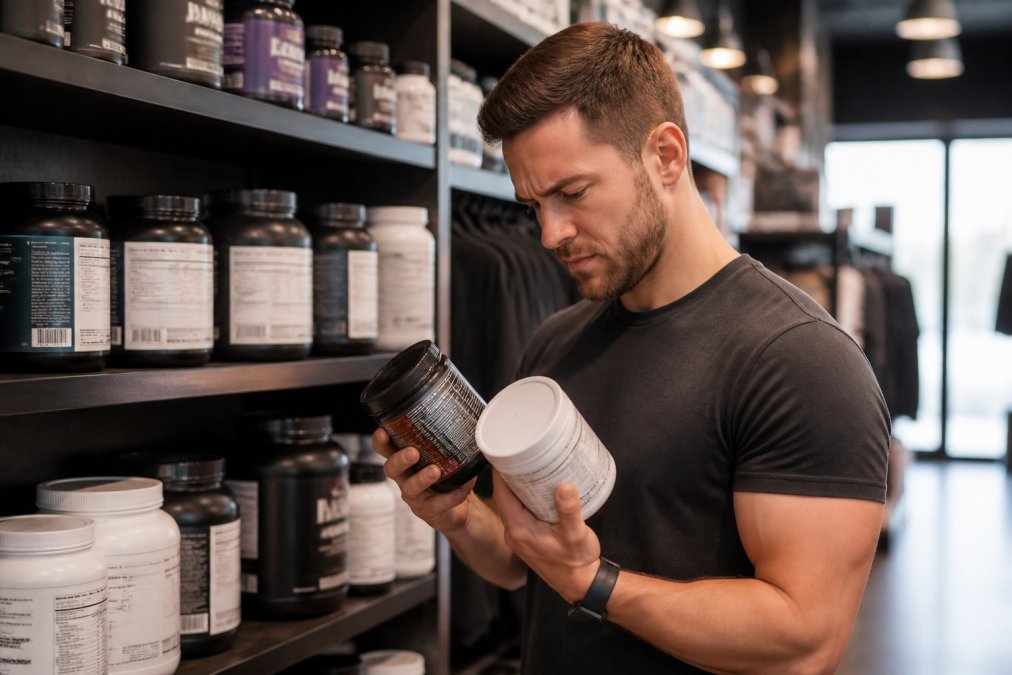
Vague ingredient sourcing is another warning sign. If a brand won't tell you where their ingredients come from or uses terms like "pharmaceutical grade" without explanation, they're hiding something. "Pharmaceutical grade" isn't an official designation, it's marketing language. Reputable brands specify their ingredient sources and explain their sourcing standards.
Lack of third-party testing is disqualifying. If a brand doesn't publish third-party test results or doesn't mention testing at all, assume they haven't done it. This is especially critical for performance supplements, where contamination with banned substances is a real risk.
Inconsistent pricing across retailers can indicate counterfeit products. If the same supplement costs $15 at one retailer and $45 at another, one of those sellers is likely selling counterfeit or expired stock. Legitimate brands maintain relatively consistent pricing.
Missing or vague dosage guidance suggests the brand doesn't understand their own product. Clear, research-backed dosing instructions indicate the company has actually studied their formula. Vague guidance like "take as needed" means they haven't validated their product's effects.
Artificial colors and excessive additives aren't always harmful, but they're unnecessary. If a supplement is bright blue or neon pink, that's artificial coloring. Many effective supplements are brown, tan, or off-white because they contain minimal additives. This isn't a dealbreaker, but it's worth questioning why the brand felt the need to add color.
Evaluating Dosage, Bioavailability, and Toxicity Risks
Dosage is where many supplements fail. A supplement can contain quality ingredients in the wrong amounts and deliver no benefit. Understanding how much you actually need separates effective supplementation from expensive placebo.
Research on supplement efficacy typically establishes a therapeutic range, the minimum dose needed to produce effects and the maximum dose before side effects appear. For example, creatine monohydrate requires 3-5 grams daily to be effective. Less than that produces no benefit. More than that doesn't increase benefits but does increase water retention and cost. A supplement dosed below the therapeutic range is worthless.
Bioavailability refers to how much of an ingredient your body actually absorbs and uses. Two supplements can contain the same ingredient in the same amount, but if one has poor bioavailability, your body absorbs less of it. Factors affecting bioavailability include the form of the ingredient (some forms are absorbed better than others), whether it's taken with food, and your individual digestive health. Quality brands specify the form they use and explain why it matters.
Toxicity risk increases with dosage. Many performance supplements are safe at recommended doses but dangerous at higher doses. Caffeine, for example, is safe at 200-400mg daily but can cause serious side effects at 1,000mg or more. Beta-alanine causes harmless but uncomfortable tingling at doses above 3 grams. Some ingredients have no established safe upper limit because they're rarely used at high doses.
Before buying any supplement, research the specific ingredient's safety profile. Look for information on:
- Established safe dosage range
- Known side effects at recommended doses
- Interactions with medications or other supplements
- Population groups that should avoid it (pregnant women, people with certain conditions)
This information is usually available from the National Institutes of Health Office of Dietary Supplement Programs or from published clinical trials. If you can't find safety information, that's a red flag.
Consulting Healthcare Professionals Before Purchasing
This step is often skipped but critically important, especially if you take medications or have underlying health conditions. A supplement that's safe for most people might be dangerous for you specifically.
Your doctor or registered dietitian can help you identify:
- Drug-supplement interactions, some supplements interfere with medication absorption or effectiveness
- Contraindications, supplements you should avoid based on your health history
- Redundancy, whether a supplement actually fills a nutritional gap or duplicates something you're already getting from food or other supplements
- Dosage appropriateness, whether the standard dose is right for your body, metabolism, or health status
Many athletes skip this step because they assume supplements are harmless. That's a dangerous assumption. Some supplements interact with common medications. Others can worsen certain health conditions. A 20-minute conversation with a healthcare professional can prevent serious problems.
When consulting a healthcare provider, bring the actual supplement bottle or the label. Tell them the specific brand, the dosage you're planning to take, and how often. Generic advice about "taking vitamins" is less useful than specific guidance on your exact supplement plan.
If your healthcare provider isn't familiar with supplements, ask for a referral to a registered dietitian who specializes in sports nutrition. They have specific training in supplement safety and efficacy and can provide personalized guidance based on your goals and health status.
Storage, Shelf-Life Safety, and Contamination Prevention
How you store supplements affects their safety and effectiveness. Improper storage degrades ingredients, increases contamination risk, and can make a supplement unsafe.
Most supplements should be stored in a cool, dry place away from direct sunlight. Heat, humidity, and light break down active ingredients over time. A kitchen cabinet above the stove is a terrible storage location. A cool, dark closet or cabinet is ideal. Some supplements (like certain probiotics) require refrigeration, check the label.
Check the expiration date before buying and before consuming. Expired supplements may have degraded ingredients, reduced potency, or increased contamination risk. Manufacturers set expiration dates based on stability testing, so they're not arbitrary guidelines.
Moisture is a major risk factor. Bathroom cabinets are humid environments that degrade supplements quickly. Kitchens near sinks are similarly problematic. Store supplements away from moisture. Some people use silica gel packets in supplement containers to absorb excess moisture, which extends shelf life.
Contamination risk increases after a supplement is opened. Once exposed to air, some ingredients oxidize and degrade. Keep containers sealed between uses. Don't transfer supplements to unmarked containers, you need the label information for dosing and safety reference.
If you notice discoloration, unusual odor, or texture changes in a supplement, discard it. These are signs of degradation or contamination. Don't risk consuming a compromised product.
Buy supplements from reputable retailers with good inventory turnover. Supplements sitting on shelves for months or years have likely degraded. Online retailers with fast shipping often have fresher stock than brick-and-mortar stores with slow turnover.
Choosing safe performance supplements comes down to three commitments: verify through third-party testing, read labels carefully, and consult healthcare professionals when you have specific health concerns. The supplement industry rewards informed consumers and punishes those who rely on marketing claims. Peakform Nutrition's approach to transparent testing, clear labeling, and clean formulations reflects what responsible supplementation actually looks like. Start by identifying brands that publish their test results and list dosages clearly. Then verify that the dosages align with research-backed therapeutic ranges. Finally, run your specific supplement plan by a healthcare professional before you commit. This process takes time, but it's the only way to ensure you're actually getting what you're paying for.
Frequently Asked Questions
Q: What red flags should I watch for when choosing safe performance supplements?
A: Watch for vague ingredient lists, missing supplement facts labels, exaggerated claims like 'guaranteed results,' and products without third-party testing certification. Avoid supplements that promise rapid muscle gain or extreme performance boosts without evidence. Check if the label includes allergen disclosure and batch testing information. Brands that hide ingredient sources or use proprietary blends without transparency are also warning signs. If a supplement sounds too good to be true, it probably is.
Q: How can I verify if a performance supplement has third-party testing?
A: Look for third-party testing certifications from recognized bodies like NSF Certified for Sport, Informed-Sport, or USP. These certifications appear as logos on the label or packaging. You can verify certifications by visiting the certifying organization's website and searching the product name. Request a Certificate of Analysis (COA) from the brand directly, reputable companies provide these documents upon request. The COA confirms that batch testing was performed for contaminants, heavy metals, and label accuracy. Never purchase a supplement without verifiable third-party testing if safety is your priority.
Q: What should I look for when reading a supplement label?
A: Start with the Supplement Facts panel: verify serving size, ingredient quantities in milligrams or grams, and the Daily Value percentage. Check the ingredient list for recognizable compounds and their order (ingredients listed by weight). Look for allergen warnings and manufacturing facility disclosures. Confirm the expiration date and storage instructions. Review the label for third-party testing seals and contact information. Avoid products with artificial dyes, excessive fillers, or ingredients you cannot pronounce without a scientific background. Transparent labeling is a sign of quality and consumer protection.
Q: Do I need to consult a healthcare professional before taking performance supplements?
A: Yes, especially if you take medications, have existing health conditions, or are pregnant or nursing. Performance supplements can interact with prescription drugs and affect blood pressure, heart rate, or hormone levels. A healthcare provider can review your current health status, identify potential contraindications, and recommend safe dosages. They can also help you avoid supplement-drug interactions and assess whether a specific supplement aligns with your health goals. This is particularly important for stimulant-containing products or supplements targeting hormonal balance.