

Table of Contents
- What Actually Works: The 2026 Supplement Landscape
- How We Evaluated the Best Supplements for 2026
- The 2026 Supplement Comparison: Top Picks at a Glance
- Best Stimulant Free Pre-Workout 2026: Focus Without the Crash
- How to Choose a Protein Powder for Muscle Gain
- Benefits of Creatine Monohydrate for Athletes
- Building Your Personalized Supplement Stack
- FDA Supplement Safety Guidelines for Athletes
- Frequently Asked Questions
Last Updated: September 6, 2026
What Actually Works: The 2026 Supplement Landscape
The supplement industry is crowded with hype, but the science of sports nutrition points to a handful of ingredients with real staying power. For most athletes, the best supplements for 2026 fitness goals center on protein, creatine, and targeted pre-workout formulas rather than exotic blends. The shift toward clean, stimulant-free options is a defining trend of the year.
Consumers are increasingly wary of proprietary blends and undisclosed stimulant levels. They want to know exactly what is in the scoop and why it is there. This guide cuts through the noise to help you choose products that align with evidence-based practice and your specific training demands.
Below, we will show you exactly how to evaluate supplements for 2026, what the research supports, and how to build a stack that fits your goals without wasting money on ineffective ingredients.
How We Evaluated the Best Supplements for 2026
We built our evaluation framework around four pillars: ingredient transparency, third-party testing, clinical backing, and value relative to serving size. A product can claim anything on the label; our focus is on what the label actually delivers per dose.
Every supplement we recommend must disclose full ingredient amounts. We prioritize products with third-party certification, which verifies that what is on the label matches what is in the container. We also weigh the quality of clinical evidence for each ingredient, favoring compounds with consistent results in peer-reviewed trials over trendy additions with anecdotal support only.
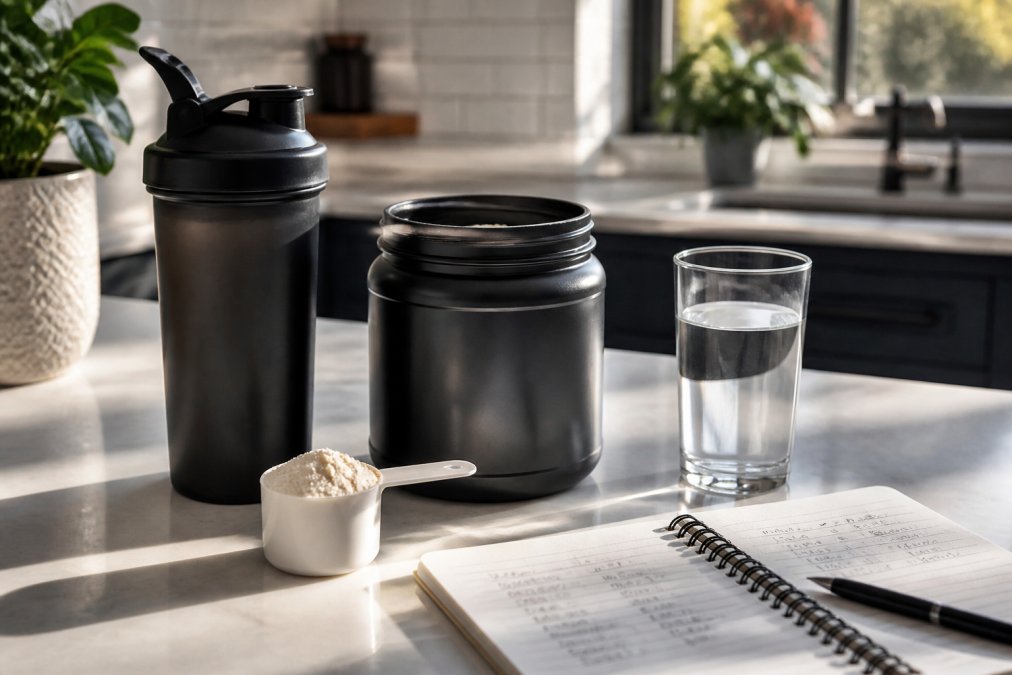
This framework matters because the market is flooded with underdosed products. Many pre-workouts contain effective ingredients at amounts too low to influence performance. Our evaluation flags those gaps so you can avoid paying for ineffective formulas.
The 2026 Supplement Comparison: Top Picks at a Glance
The table below summarizes our top picks across key categories for the best supplements for 2026 fitness goals. Each option earned its spot through ingredient quality and practical application.
| Supplement | Category | Standout Feature | Best For |
|---|---|---|---|
| Peakform Nutrition Ambrosia | Stimulant-free pre-workout | Crystal clear mental focus without jitters | Athletes sensitive to caffeine |
| Nutricost Creatine Monohydrate | Strength and power | Micronized, third-party tested | Powerlifters and strength trainers |
| Momentous Whey Protein Isolate | Recovery and muscle gain | NSF Certified for Sport | Athletes needing rigorous testing |
| Nutricost Pre-X Pre-Workout | Budget pre-workout | Core ingredients at low cost | Budget-conscious lifters |
| AG1 | Daily greens | 75 vitamins and minerals | Foundational health support |
This comparison reflects the diversity of needs among athletes. Some require rigorous certification for anti-doping compliance, while others prioritize cost per serving. The right choice depends on your training phase and personal standards for ingredient sourcing.
Best Stimulant Free Pre-Workout 2026: Focus Without the Crash
The best stimulant free pre-workout 2026 options deliver energy through pathways other than caffeine. Ingredients like L-citrulline support blood flow, while tyrosine and alpha-GPC enhance mental clarity without elevating heart rate. This category has grown rapidly as athletes seek performance support that does not disrupt sleep or trigger anxiety.
Peakform Nutrition's Ambrosia pre-workout is formulated to provide crystal clear mental focus and a clean energy feel without jitters or tingling. For athletes who train in the evening or who are sensitive to stimulants, this approach preserves workout quality without compromising recovery sleep.
What most guides miss is that stimulant-free does not mean stimulant-zero. Some products still contain small amounts of caffeine from natural sources like green tea extract. If you are strictly avoiding caffeine, verify the label rather than assuming.
How to Choose a Protein Powder for Muscle Gain
Selecting a protein powder is more than picking a flavor; it's a cost-per-gram and quality-per-scoop decision. Most guides stop at 'whey is best,' but the real utility for a 2026 fitness goal is understanding the trade-offs between budget-friendly options and premium, rigorously tested products. This is a gap most articles ignore, so here is the breakdown that matters.
The Budget vs. Premium Trade-Off
The fundamental split in the market is between concentrates and isolates. A standard whey concentrate might cost around $0.80 to $1.10 per serving, delivering 20-24 grams of protein with some lactose and fat. A premium isolate, like Momentous Whey Protein Isolate, often costs $2.00 or more per serving. The premium price buys you three things: higher protein percentage (typically 90%+ by weight), minimal lactose for sensitive stomachs, and third-party certification like NSF Certified for Sport, which screens for banned substances.
For a lifter on a strict budget, a concentrate is not a failure. The research on muscle protein synthesis does not show a dramatic difference between concentrate and isolate when total daily protein intake is adequate. The advantage of an isolate appears when you are consuming multiple scoops daily and want to avoid excess calories from fat and carbs, or when you are subject to drug testing and need the verification that certification provides.
What to Look For Beyond the Label
Here is a concrete checklist most articles skip:
- Amino Acid Profile: Look for a product that lists the amounts of leucine, isoleucine, and valine. Leucine is the primary trigger for muscle protein synthesis. A solid target is at least 2.5 to 3 grams of leucine per serving. If a label hides the amino acid breakdown, treat it as a red flag.
- Processing Method: Cold-processed or micro-filtered proteins (like cross-flow microfiltration) preserve the integrity of the amino acids and avoid denaturing the protein with heat. This is a premium feature, but it affects mixability and digestibility.
- Added Enzymes: Some premium formulas include digestive enzymes like lactase or protease. This is a practical addition if you are lactose-sensitive or increasing your protein intake significantly during a massing phase.
The 'Clean Label' Angle for 2026
A growing trend that competitors rarely address is ingredient sourcing and sustainability. Consumers are increasingly asking where the whey comes from. Grass-fed, hormone-free sources (like those used by Momentous) command a higher price, but they align with a clean-label philosophy. If your fitness goal includes a broader health and environmental commitment, this is a legitimate factor in your choice. However, for pure muscle gain, the science does not yet show a performance advantage for grass-fed over conventional whey, it is a preference, not a requirement.
The bottom line: Determine your budget per gram of protein, check the leucine content, and decide if certification is a non-negotiable for your sport. That framework will serve you better than any brand loyalty.
Benefits of Creatine Monohydrate for Athletes
Creatine monohydrate remains the most researched supplement for athletic performance, and the benefits of creatine monohydrate for athletes extend beyond strength. It supports cellular hydration, which can enhance muscle volume and recovery between training sessions.
Nutricost Creatine Monohydrate offers a straightforward, high-purity option at an accessible price point. It is micronized for better mixability and third-party tested, addressing the two most common complaints about creatine: poor dissolution and uncertain quality.
The typical dosing protocol involves a loading phase of 20 grams daily for five to seven days, followed by a maintenance dose of 3 to 5 grams daily. Some athletes skip loading entirely and see results within three to four weeks. Consistency matters more than timing, so find a routine you can sustain.
International Society of Sports Nutrition position stand on creatine supplementation confirms that creatine monohydrate is safe and effective for improving high-intensity exercise performance when taken at recommended doses. This evidence base spans decades and includes hundreds of controlled trials.
Building Your Personalized Supplement Stack
A supplement stack for 2026 should reflect your training phase, not a one-size-fits-all template. Endurance athletes need different support than strength athletes, and your current goal dictates priority.
For strength and power phases, creatine and a stimulant-free pre-workout form the core. For hypertrophy focus, protein timing around training becomes more relevant. For endurance capacity, beta-alanine and electrolyte support take precedence.
| Fitness Goal | Core Supplements | Priority Ingredients | Training Focus |
|---|---|---|---|
| Muscle Gain | Whey isolate, creatine | Protein, creatine monohydrate | Progressive overload |
| Strength | Creatine, pre-workout | Creatine, L-citrulline | Low reps, heavy loads |
| Endurance | Electrolytes, beta-alanine | Beta-alanine, sodium | Volume and tempo |
| Fat Loss | Stimulant-free pre-workout | Tyrosine, green tea extract | Metabolic conditioning |
Personalization also means adjusting for body weight. Heavier athletes need more creatine and protein to support the same relative training stimulus. Start with the label dose and adjust based on how your body responds over two to three weeks.
FDA Supplement Safety Guidelines for Athletes
The FDA regulates dietary supplements as food, not drugs, which means products do not require pre-market approval for safety or efficacy. This distinction places responsibility on manufacturers and informed consumers alike. While most articles stop at 'buy third-party tested,' the more critical, and rarely covered, angle for 2026 is understanding how supplements interact with common over-the-counter and prescription medications.
The Regulatory Baseline
FDA supplement safety guidelines for athletes emphasize purchasing from reputable brands that conduct third-party testing. Certification programs like NSF Certified for Sport screen for banned substances and verify label accuracy, which is critical for athletes subject to drug testing. FDA guidance on dietary supplements clarifies that manufacturers must ensure product safety and accurate labeling, but the agency does not test products before they reach shelves. This is why brand transparency and independent verification matter.
The Missed Angle: Supplement-Medication Interactions
This is where most fitness articles fall short. They assume a healthy, medication-free athlete. But a significant portion of the training population manages conditions like hypertension, ADHD, or thyroid disorders. Here is what you need to consider before stacking supplements:
- Blood Pressure Medications (Beta-Blockers, ACE Inhibitors): Many pre-workouts contain high doses of L-citrulline or arginine, which are vasodilators. Combining these with blood pressure medication can cause an additive effect, leading to dizziness or dangerously low blood pressure. If you are on these meds, a stimulant-free pre-workout is not automatically safe, you must check the vasodilator content.
- Stimulant Medications (for ADHD): If you take prescription amphetamines or methylphenidate, adding a high-caffeine pre-workout can overstimulate the central nervous system, increasing heart rate and anxiety to unsafe levels. The FDA warns against combining multiple stimulants. In this case, a truly stimulant-free formula (with zero caffeine from any source) is the only prudent option.
- Anticoagulants (Blood Thinners like Warfarin): High doses of fish oil or vitamin K-rich greens powders can interfere with blood clotting. Greens powders like AG1 contain vitamin K, which can reduce the effectiveness of warfarin. This is a serious interaction that requires medical oversight.
- SSRIs (Antidepressants): Some pre-workout ingredients that affect serotonin or dopamine pathways (like tyrosine) can theoretically interact with SSRIs, though research is limited. Most practitioners recommend caution and a review of total amino acid intake.
A Practical Safety Protocol
Beyond medication, a simple protocol can prevent most issues:
- Start with a Half Dose: For any new supplement, especially pre-workouts, take half the recommended serving to assess tolerance.
- Check Total Caffeine: If you drink coffee, tea, or energy drinks, add that to the caffeine in your supplements. The FDA cites 400 mg of caffeine per day as a safe limit for healthy adults, but athletes with heart conditions should stay lower (the FDA).
- Review Electrolytes: If you are on diuretics or blood pressure medication, be cautious with high-sodium electrolyte products. They can counteract your medication's effect.
The landscape for the best supplements for 2026 fitness goals rewards informed choices. Prioritize products with transparent labeling, third-party testing, and clinically backed ingredients. Start with the fundamentals of protein and creatine, then add targeted support like a stimulant-free pre-workout based on your specific training needs, and your medical profile.
Frequently Asked Questions
What are the top trending supplements for 2026?
The top trending supplements for 2026 focus on evidence-based ingredients rather than hype. Expect to see stimulant-free pre-workouts with citrulline and beta-alanine, creatine monohydrate for strength, and high-quality whey protein isolates for recovery. Greens powders like AG1 are also popular for filling nutritional gaps. Athletes are prioritizing third-party tested products and clean labels, moving away from proprietary blends and excessive caffeine.
Are stimulant-free pre-workouts better for long-term health?
Stimulant-free pre-workouts can be a better choice for long-term health if you are sensitive to caffeine, train in the evening, or want to avoid elevated heart rate and sleep disruption. They rely on ingredients like L-citrulline and beta-alanine to support blood flow and muscle endurance without a crash. This allows for consistent training without building a caffeine tolerance or impacting your sleep quality.
How do I build a supplement stack for my specific fitness goals?
Start by defining your goal, then pick supplements with clinical evidence for that outcome. For muscle gain, prioritize a whey protein isolate and creatine monohydrate. For endurance, consider beta-alanine and electrolytes. Use a stimulant-free pre-workout if you train late. Always introduce one product at a time to assess tolerance, and check the FDA supplement safety guidelines to ensure your choices are third-party tested and free from banned substances.
Which supplements are scientifically proven to aid muscle growth?
Creatine monohydrate is the most scientifically proven supplement for muscle growth, with decades of clinical trials supporting its ability to increase strength and lean mass. Whey protein isolate is also proven effective because it provides a complete amino acid profile that triggers muscle protein synthesis. For most athletes, these two are sufficient. Other ingredients like beta-alanine can support muscle endurance but are secondary to a solid training and nutrition plan.