

Table of Contents
- What Makes a Post Workout Drink Effective for Muscle Gain?
- Quick Comparison: Top Post Workout Drinks
- 1. Fairlife Chocolate 2% Ultra-Filtered Milk: The Whole-Food Champ
- 2. Levels Whey Protein: The Clean Isolate Builder
- 3. JOCKO FUEL Muscle Drive: The Anti-Catabolic Specialist
- 4. Outwork Nutrition Recovery: The All-in-One Refueler
- 5. Myprotein Impact Whey Isolate: The Budget-Friendly Option
- 6. Muscle Milk Knockout Chocolate: The Convenient RTD
- How Much Protein After Workout for Muscle Growth?
- Carbohydrates for Post-Workout Recovery
- Homemade Post Workout Drink Recipes
- Choosing the Right Drink for Your Goals
- Frequently Asked Questions
Last Updated: September 9, 2026
Choosing the best post workout drink for muscle gain comes down to one question: does it deliver the protein, carbs, and hydration your muscles need within that critical recovery window? A post workout drink is a beverage formulated to replenish glycogen stores, stimulate muscle protein synthesis, and restore fluid balance after training. A post workout drink is a beverage formulated to replenish glycogen stores, stimulate muscle protein synthesis, and restore fluid balance after training.
Below, we break down seven proven picks ranging from whole-food staples to specialized formulas. But first, here is what most guides get wrong: the most expensive supplement is rarely the most effective, and several grocery-store options outperform premium powders in head-to-head comparisons.
What Makes a Post Workout Drink Effective for Muscle Gain?
The most effective post workout drink delivers three things in one serving: high-bioavailability protein for muscle repair, fast-digesting carbohydrates for glycogen replenishment, and electrolytes for hydration status restoration. Protein quality matters more than sheer quantity, with whey isolate and casein offering complementary absorption rates.
Your macronutrient ratio depends on training intensity and body weight. A common approach is 20-40 grams of protein alongside carbs at a 2:1 or 3:1 carb-to-protein ratio for endurance sessions. Consuming your drink within 30-60 minutes post-exercise maximizes the anabolic window, though total daily intake remains the primary driver of muscle hypertrophy.
Quick Comparison: Top Post Workout Drinks
| Drink | Format | Best For | Standout Feature |
|---|---|---|---|
| Fairlife Chocolate 2% | Ready-to-drink | Budget shoppers | 50% more protein than standard milk |
| Levels Whey Protein | Powder | Clean-label purists | Hormone-free whey isolate |
| JOCKO FUEL Muscle Drive | Powder | Anti-catabolic support | HMB for muscle preservation |
| Outwork Nutrition Recovery | Powder | All-in-one refueling | Protein, carbs, and electrolytes |
| Myprotein Impact Whey Isolate | Powder | Budget-focused lifters | Over 90% protein content |
| Muscle Milk Knockout | Ready-to-drink | On-the-go convenience | 25g protein per serving |
1. Fairlife Chocolate 2% Ultra-Filtered Milk: The Whole-Food Champ
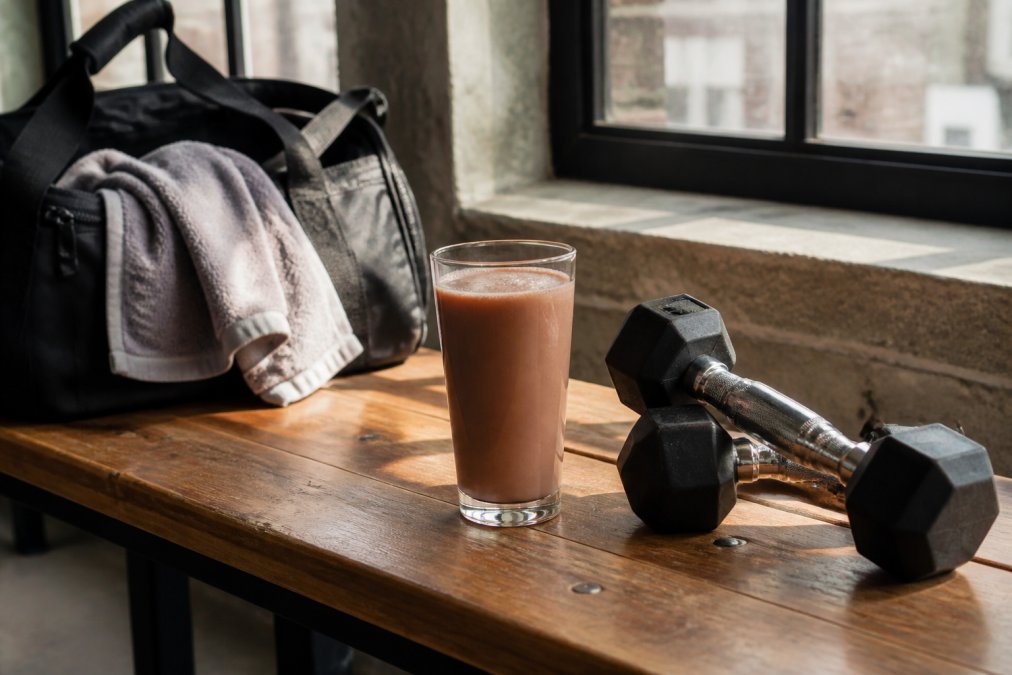
Our top pick for most lifters is Fairlife Chocolate 2%, a store-bought recovery drink that provides a natural ratio of protein and carbohydrates for muscle replenishment. Ultra-filtered to deliver 50% more protein than standard milk while containing 50% less sugar than regular chocolate milk, it offers natural electrolytes like potassium and calcium. The lactose-free profile makes it tolerable for many people with dairy sensitivity.
What makes this option stand out is accessibility: it costs a fraction of most powders and requires zero preparation. The drawback is logistical, not nutritional. It needs refrigeration and has a shorter shelf life than powders, so it suits home-based training more than gym-bag storage.
2. Levels Whey Protein: The Clean Isolate Builder
For lifters who prefer building their own shake, Levels Whey Protein is the cleanest isolate we have tested. This cold-processed, hormone-free whey isolate contains minimal ingredients with no artificial sweeteners or flavors, offering high bioavailability for rapid muscle protein synthesis.
The limitation is scope: it does not include added recovery ingredients like creatine or electrolytes. If you want a simple protein source to pair with whole-food carbs, this is the pick. If you need everything in one scoop, look further down this list.
3. JOCKO FUEL Muscle Drive: The Anti-Catabolic Specialist
JOCKO FUEL Muscle Drive takes a different approach by focusing on muscle preservation rather than bulk protein delivery. Formulated with HMB (Beta-Hydroxy Beta-Methylbutyrate) to prevent muscle breakdown and a blend of essential amino acids, it targets the 30-minute post-workout window with rapid absorption. It is sugar-free and keto-friendly.
This is the best option for athletes in a cutting phase or those concerned about muscle breakdown during high-volume training. The tradeoff is limited flavor variety compared to mass-market brands, and purists may want additional protein alongside it.
4. Outwork Nutrition Recovery: The All-in-One Refueler
Outwork Nutrition Recovery consolidates your entire post-workout routine into a single scoop. It contains a blend of protein, carbohydrates, and electrolytes, formulated to reduce post-exercise muscle soreness while supporting muscle tissue repair. Third-party testing for banned substances adds credibility for competitive athletes.
The comprehensive nutrient profile is its strength, but the larger serving size can be difficult to mix smoothly. Athletes who train in high-heat environments or sweat heavily will appreciate the added electrolyte balance that standalone protein powders lack.
5. Myprotein Impact Whey Isolate: The Budget-Friendly Option
Myprotein Impact Whey Isolate proves that cost does not dictate quality. With over 90% protein content per serving and low fat and carbohydrate levels, it delivers essential amino acids at a competitive price point.
The main complaint is flavor consistency, which can vary between production batches. For budget-focused lifters who prioritize protein-to-calorie ratio over taste sophistication, this remains a solid value.
6. Muscle Milk Knockout Chocolate: The Convenient RTD
Muscle Milk Knockout Chocolate answers the question of what to drink when rushing from the gym to work. This ready-to-drink shake provides 25g of protein per serving through a blend of slow and fast-digesting proteins, fortified with vitamins and minerals for sustained energy.
Its convenience is unmatched, and it is widely available in retail stores. The honest limitation is ingredient processing: it contains more artificial sweeteners and processed components than cleaner alternatives. For occasional use or travel, it works. For daily recovery, we recommend one of the cleaner options above.
How Much Protein After Workout for Muscle Growth?
Determining the right protein dose after training is not a one-size-fits-all calculation. The International Society of Sports Nutrition position stand on protein intake recommends 20-40 grams of high-quality protein per serving to maximally stimulate muscle protein synthesis (MPS), but that range exists because individual factors shift the requirement significantly.
Body weight is the primary variable. A common evidence-based pattern is 0.4 grams per kilogram of body weight per meal. For a 150-pound (68 kg) lifter, that translates to roughly 27 grams per serving; a 200-pound (91 kg) athlete would need closer to 36 grams. Exceeding this threshold does not further elevate MPS; the excess is largely oxidized or used for other metabolic processes. Instead of stacking 60 grams in one shake, most practitioners recommend splitting total daily protein into 3-5 equal feedings of 0.4 g/kg.
Training type modifies the requirement. Resistance training creates mechanical damage and stimulates MPS for up to 48 hours, but the acute post-workout spike is most responsive to a fast-digesting protein source. Endurance athletes, who experience less muscle damage but greater amino acid oxidation, benefit from a slightly higher dose (30-40g) combined with a larger carbohydrate load.
Protein quality determines the ceiling. Whey isolate is often cited as the reference standard because it is rich in leucine, the branched-chain amino acid that directly activates the mTOR pathway responsible for initiating MPS. A typical serving delivers 2.5-3.5 grams of leucine, the threshold most researchers consider necessary to trigger a maximal anabolic response. Casein, while slower-digesting, releases amino acids over several hours, making it better suited for overnight recovery. Soy and pea proteins can reach comparable leucine levels but often require larger serving sizes.
The anabolic window is wider than marketing suggests. While consuming protein within 30-60 minutes post-exercise is ideal, total daily intake remains the dominant factor for hypertrophy. The post-workout window extends to roughly two hours, and for lifters who have eaten a protein-containing meal within 3-4 hours before training, the urgency diminishes further. What matters most is that you do not skip the post-workout meal entirely.
Practical example: A 180-pound (82 kg) lifter should aim for approximately 33 grams of protein post-workout. That equals one scoop of most whey isolates plus 8 ounces of milk, or one scoop of plant protein blended with 6 ounces of soy milk and a tablespoon of peanut butter. Going beyond 40 grams in a single sitting does not meaningfully increase muscle gain and may contribute to digestive discomfort.
Carbohydrates for Post-Workout Recovery
Carbohydrates are not optional if your goal is glycogen replenishment. After intense training, muscle glycogen stores deplete significantly, and consuming carbs alongside protein accelerates the restoration process. A common approach is 0.5-0.7 grams of carbs per pound of body weight for those training daily at high intensity.
Why glycogen matters for muscle gain. Glycogen is the stored form of glucose in muscle tissue and serves as the primary fuel for high-intensity resistance training. When depleted, training volume and intensity drop, reducing the mechanical tension needed to stimulate hypertrophy. Replenishing glycogen post-workout ensures your next session starts with full energy stores.
Dosing depends on training duration and sweat rate. For a standard 60-minute resistance session, 30-50 grams of carbohydrates is sufficient to initiate glycogen resynthesis. For endurance sessions exceeding 90 minutes or high-volume training days, the Research published by the American College of Sports Medicine recommends 1.0-1.2 grams of carbs per kilogram of body weight per hour for the first four hours post-exercise. A 175-pound (79 kg) athlete would need roughly 80-95 grams per hour under this protocol, a level that requires intentional carb intake, not just a piece of fruit.
The protein-carb synergy is real. Co-ingesting protein with carbohydrates enhances glycogen synthesis beyond carbs alone. The mechanism is insulin: protein stimulates an insulin response that drives glucose into muscle cells more efficiently. Research shows that adding 15-25 grams of protein to a carbohydrate drink can increase glycogen storage rates by 30-50% compared to carbs alone. This is why chocolate milk, with its natural 3:1 carb-to-protein ratio, performs so well in recovery studies.
Glycemic index matters less than total intake for most people. High-glycemic carbs (white rice, potatoes, dextrose) digest quickly and are ideal immediately post-workout. However, for lifters who train once daily and have adequate time between sessions, moderate-glycemic sources (oats, sweet potatoes, fruit) work equally well because total daily carbohydrate intake drives glycogen restoration over 24 hours. The exception is athletes with less than 8 hours between sessions, who should prioritize fast-digesting, high-glycemic carbs immediately after the first workout.
Whole-food carb sources outperform powders for satiety and micronutrients. A medium banana provides 27 grams of carbs plus potassium, an electrolyte lost through sweat. Eight ounces of orange juice delivers 26 grams of carbs and vitamin C, which supports connective tissue repair. Tart cherry juice has emerged as a recovery aid due to its anti-inflammatory polyphenol content, though it should complement, not replace, your primary carb source.
Practical protocol: For a typical resistance training session, combine 30-50 grams of fast-digesting carbs with your protein shake. A scoop of whey mixed with 12 ounces of chocolate milk and half a banana delivers roughly 35 grams of carbs and 30 grams of protein, a balanced ratio for most lifters. For endurance athletes or those in a heavy training block, increase carb intake to 60-90 grams and extend the feeding window across two hours.
Homemade Post Workout Drink Recipes
You do not need a supplement manufacturer to create an effective recovery drink. A basic homemade shake combines one cup of milk or dairy-free alternative, one scoop of whey isolate, half a banana, and a tablespoon of peanut butter for a balanced 3:1 carb-to-protein ratio.
For a stimulant-free, whole-food option, chocolate milk remains the gold standard. Mix 12 ounces of low-fat chocolate milk with a scoop of collagen or whey for added protein. Budget-conscious lifters can also blend Greek yogurt with fruit juice and a pinch of salt for electrolyte balance without expensive powders.
Choosing the Right Drink for Your Goals
The best post workout drink for muscle gain depends on your training schedule, dietary restrictions, and digestive tolerance. Before buying, check the label for protein bioavailability, carbohydrate source, and artificial additives. Many lifters find that rotating between a whole-food option and a clean isolate covers all bases.
If you struggle with bloating from traditional whey, look for lactose-free isolates or plant-based blends. For those managing blood sugar, sugar-free formulas like JOCKO FUEL offer anti-catabolic benefits without insulin spikes. The National Institutes of Health fact sheet on dietary supplements recommends consulting a healthcare provider before adding new supplements, especially if you have underlying conditions.
Selecting the right recovery drink is only half the equation. The other half is consistency and ingredient transparency. Whether you need muscle-building support, stimulant-free focus, or recovery-focused nutrition, a tailor-made approach helps you train harder and recover smarter. Explore our full range and find the formula that matches your goals. Get started with Peakform Nutrition and support your recovery today.
Frequently Asked Questions
What should you drink after a workout to build muscle?
A drink containing protein and carbohydrates is the most effective choice. Protein, ideally 20-40 grams, triggers muscle protein synthesis. Carbohydrates replenish glycogen stores that power your next session. Chocolate milk, a whey protein shake mixed with fruit, or a dedicated recovery formula like Outwork Nutrition Recovery all deliver this combination. If you train fasted or sweat heavily, electrolytes matter too.
How soon after a workout should you drink a recovery shake?
Your muscles are most receptive to nutrients during the 30-60 minutes after training. This anabolic window is when blood flow to the muscles is elevated. Try to consume your post workout drink within this timeframe to maximize muscle repair and glycogen replenishment. If that is not possible, having a meal with protein and carbs within two hours still supports recovery.
Is protein powder the best drink for muscle recovery?
Protein powder is convenient and effective, but not the only option. Whey isolate, found in products like Levels Whey Protein, offers high bioavailability and rapid absorption. However, whole foods like milk provide a natural ratio of protein and carbs. The best post workout drink depends on your goals, digestion, and budget. Some athletes prefer a complete formula with added electrolytes or HMB.
How much protein after workout for muscle growth is ideal?
Research suggests that consuming 20-40 grams of high-quality protein after training maximizes muscle protein synthesis for most people. This amount provides roughly 2-3 grams of the amino acid leucine, which triggers the muscle-building pathway. Your total daily protein intake matters more than any single meal, so adjust your post-workout shake based on your body weight and how much you have eaten that day.