

Table of Contents
- Why Women Seek WomensBest Alternatives for Holistic Wellness
- How to Choose a Wellness Supplement Brand That Fits Your Goals
- Peakform Nutrition: Personalized Performance and Women's Health
- Clean Label Supplement Brands Worth Considering
- What Sets These Alternatives Apart for Holistic Wellness
- Making Your Switch: Practical Considerations
- Conclusion
Last Updated: August 21, 2026
Why Women Seek WomensBest Alternatives for Holistic Wellness
Women today are increasingly rejecting one-size-fits-all supplement approaches. They're looking for brands that understand female physiology, prioritize ingredient transparency, and support holistic wellness beyond just muscle gains or generic vitamins. The shift reflects a broader movement toward personalized nutrition that addresses hormonal balance, skin health, energy, and recovery as interconnected pieces of overall well-being.
When women search for WomensBest alternatives for holistic wellness, they're often frustrated by limited product ranges, unclear sourcing, or formulations that don't address their specific needs. At Peakform Nutrition, we recognize this gap. The market now includes several brands that combine rigorous ingredient standards, third-party testing, and targeted formulations for women's health. Understanding what makes these alternatives stand out helps you make a choice aligned with your actual wellness goals, not just marketing claims.
The brands we'll explore share a common thread: they treat supplement quality as non-negotiable and recognize that holistic wellness means supporting mental clarity, physical performance, hormonal health, and sustainable energy together. This guide breaks down the real differences so you can evaluate which approach matches your lifestyle.
How to Choose a Wellness Supplement Brand That Fits Your Goals
Selecting a supplement brand requires more than scanning reviews. You need to match the brand's philosophy and product depth to what you're actually trying to achieve. Start by clarifying your primary wellness goal. Are you managing energy without stimulant crashes? Supporting hormonal balance? Looking for clean pre-workout performance support? Targeting skin health and aging? Each goal narrows your options significantly.
Next, examine ingredient sourcing and transparency practices. A brand committed to holistic wellness should openly share where ingredients come from, whether they're third-party tested, and what certifications they hold. Look for language about bioavailability, whether the brand considers how well your body can actually absorb and use what's in the supplement (peer-reviewed research). Clean label practices matter here: fewer additives, no artificial sweeteners or unnecessary fillers, and clear reasoning for every ingredient included.
Consider the brand's approach to personalization. Some companies offer standardized formulas for broad populations. Others provide tools or consultations to tailor recommendations to your individual needs. If you're seeking holistic wellness, a personalized approach often delivers better results because it accounts for your specific health markers, lifestyle, and goals rather than assuming one formula works for everyone.
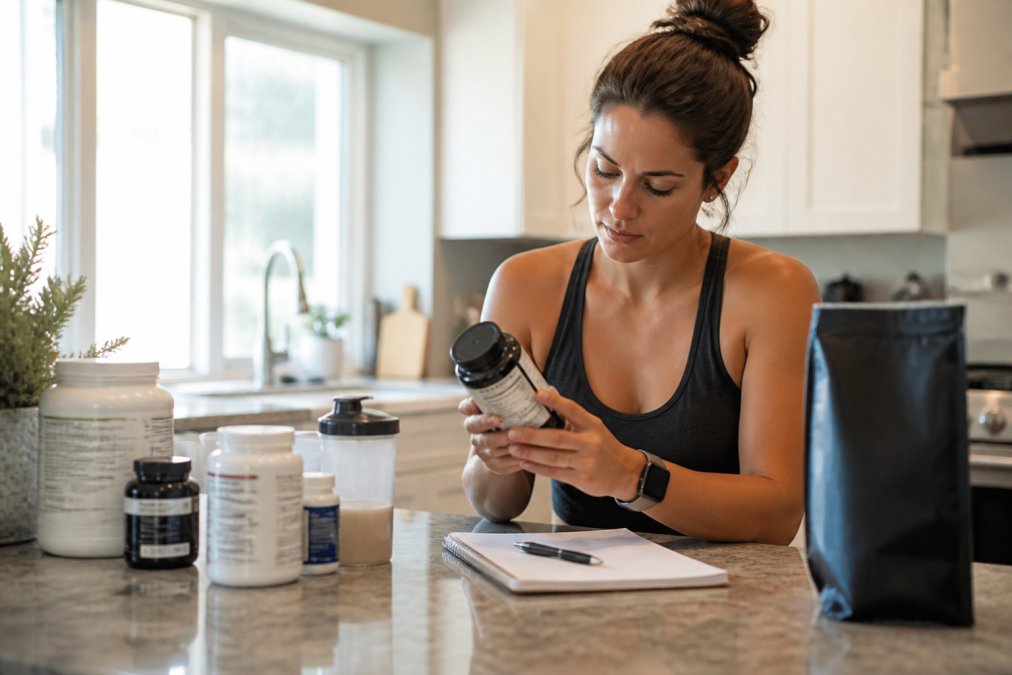
Finally, evaluate the breadth and quality of their product ecosystem. Holistic wellness isn't achieved through a single supplement. You need options for different life stages, concerns, and complementary support, whether that's recovery, skin health, hormonal support, or cognitive function. Brands that excel here offer depth without overwhelming choice paralysis.
| Selection Criteria | What to Look For | Red Flags |
|---|---|---|
| Ingredient Sourcing | Third-party testing, clear origin disclosure, certified organic or non-GMO | Vague sourcing, "proprietary blends," no testing info |
| Personalization | Consultation tools, tailored recommendations, product combinations | One-size-fits-all approach, generic advice |
| Product Range | Multiple categories addressing different wellness needs | Limited selection, heavy focus on one category |
| Transparency | Detailed ingredient lists, bioavailability explanation, certifications | Hidden ingredients, unclear labeling, no certifications |
| Brand Philosophy | Holistic approach, women-centered formulations | Performance-only focus, male-dominated marketing |
Peakform Nutrition: Personalized Performance and Women's Health
Peakform Nutrition stands out because it builds personalization into its core approach. Rather than selling the same formula to every customer, Peakform uses a tailor-made methodology that accounts for your individual goals, activity level, and health markers. This matters significantly for women seeking holistic wellness, because hormonal fluctuations, energy needs, and recovery requirements differ across cycles and life stages.
The brand's flagship Ambrosia pre-workout powder delivers the mental clarity women often struggle to find in stimulant-heavy formulas. Many pre-workout products create jitters, anxiety, or that wired-but-tired sensation. Ambrosia's clean energy approach provides focus without the crash or heart-racing side effects. For women managing anxiety or sensitivity to stimulants, this distinction is essential, you get sustained performance support without triggering the nervous system.
Beyond performance, Peakform's newer Aphrodite's Blessing beauty care line brings the same ingredient rigor to skin health and anti-aging. Using all-natural ingredients with proven bioavailability, this line addresses deep skin hydration and supports the skin-from-within approach that holistic wellness emphasizes. The integration of beauty care with performance supplementation reflects understanding that women's wellness encompasses physical resilience, mental clarity, and aesthetic confidence.
The apparel offerings, moisture-wicking tops and plush hoodies, complete the ecosystem by supporting active lifestyle needs. Holistic wellness requires tools that work together, and Peakform's approach to clothing, supplements, and beauty care creates that integrated system. For women who train hard and care about recovery, this comprehensive range eliminates the need to piece together solutions from five different brands.
Clean Label Supplement Brands Worth Considering
Garden of Life: Organic, Whole-Food Foundation
Garden of Life has built its reputation on certified USDA organic, non-GMO whole-food-based supplements. For women prioritizing ingredient purity and environmental responsibility, this brand delivers. Their extensive line includes probiotics, vitamins, protein powders, and herbal supplements formulated to support overall health through real food sources rather than synthetic isolates.
What distinguishes Garden of Life is the commitment to traceable sourcing. Garden of Life documents where each ingredient originates and maintains relationships with growers who share their values. Third-party testing verifies purity and potency, and many products carry certifications for gluten-free and vegan status, important for women with sensitivities or dietary preferences. The brand is also a certified B Corporation and Carbon Neutral company.
The brand's emphasis on environmental responsibility appeals to women seeking sustainable health practices. However, the extensive product selection can feel overwhelming for newcomers. The breadth is an asset for experienced supplement users but a potential friction point if you're just starting to explore holistic wellness.
Ritual: Transparency and Targeted Women's Formulas
Ritual has built its entire brand identity around one principle: radical transparency. Their Made Traceable platform shows you exactly where every ingredient comes from, how it's manufactured, and why it's in the formula. For women burned by brands making vague "natural" claims only to read an ingredient label full of unpronounceable additives, this approach feels genuinely different.
The company offers targeted multivitamins for women at different life stages, 18+, prenatal, and postnatal formulations. This recognition that women's nutritional needs shift is core to holistic wellness thinking. Rather than selling one generic multivitamin to everyone, Ritual acknowledges that a 25-year-old athlete has different needs than a woman planning pregnancy or supporting postpartum recovery.
Ritual's delayed-release capsule technology addresses bioavailability directly (peer-reviewed research). Many supplements dissolve in the stomach, where stomach acid degrades them before absorption. Ritual's capsules release in the small intestine, where nutrient absorption is optimized. This technical detail reflects a brand that understands the science behind supplement efficacy. The subscription model provides convenience and flexibility, though the premium pricing may be a consideration for budget-conscious consumers.
Thorne Research: Science-Backed Depth
Thorne Research operates at the intersection of supplement science and clinical research. With over 300 nutritional supplement products, the brand serves both individual consumers and healthcare practitioners. For women seeking evidence-based formulations backed by rigorous testing, Thorne represents the deep end of the supplement quality spectrum.
The brand's collaboration with institutions like Mayo Clinic signals commitment to clinical validation (mayoclinic.org). Thorne doesn't just make supplements; it funds research on their efficacy. This approach means formulations are designed based on actual scientific data about what works, not marketing trends or ingredient popularity. For women with specific health concerns, hormonal imbalance, cognitive support, targeted recovery, Thorne's depth provides options most brands can't match.
The trade-off is complexity. With 300+ products and professional-grade formulations, navigating Thorne requires either significant research or consultation with a healthcare provider. The brand's strength lies in its science, but that same rigor can feel intimidating to someone seeking straightforward, simple supplementation. Pricing reflects the research investment and ingredient quality, making Thorne a premium option.
Pure Encapsulations: Hypoallergenic Clean Formulations
Pure Encapsulations specializes in what it calls "clean, pure, and tested" supplements designed for people with sensitivities. If you've experienced adverse reactions to supplements or have multiple food allergies, this brand's hypoallergenic approach becomes invaluable. Every formula excludes gluten, dairy, soy, and common allergens, with careful attention to ingredient interactions.
The brand offers over 400 unique formulations addressing diverse health concerns. This range means you can find targeted support whether you're managing hormonal balance, cognitive function, joint health, or beauty-from-within approaches. The Daily Pure Packs system simplifies supplementation by combining multiple formulas into convenient daily packets, eliminating decision fatigue.
Pure Encapsulations maintains strong relationships with healthcare practitioners, and many products are primarily available through professional channels. This positioning reflects the brand's target audience: people working with practitioners who understand their specific health needs. For women seeking clinical-grade supplementation under professional guidance, Pure Encapsulations delivers that level of rigor and customization.
What Sets These Alternatives Apart for Holistic Wellness
The brands worth considering share fundamental commitments that distinguish them from mass-market supplement companies. They prioritize ingredient sourcing transparency, invest in third-party testing, and recognize that women's wellness needs differ from generic fitness formulations. Beyond these basics, each brand brings distinct strengths.

Peakform Nutrition leads with personalization. Rather than selling the same pre-workout or multivitamin to everyone, Peakform uses a tailor-made methodology that accounts for individual goals and physiology. This approach directly addresses the frustration many women express: generic supplements don't align with their specific needs. The integration of performance supplements, beauty care, and apparel creates an ecosystem where products work together rather than in isolation.
Garden of Life emphasizes whole-food sourcing and environmental responsibility. If your definition of holistic wellness includes planetary health and regenerative agriculture, this brand's certified organic, carbon-neutral approach aligns values with purchase decisions. The trade-off is that whole-food-based supplements often cost more and may have shorter shelf lives than synthetic alternatives.
Ritual focuses on radical transparency and life-stage specificity. The Made Traceable platform removes guesswork about ingredient sourcing, and targeted formulations for different female life stages acknowledge that one-size-fits-all doesn't serve women well. The subscription model works for people who want consistency and convenience, though it requires commitment.
Thorne Research prioritizes clinical validation and scientific depth. If you're managing specific health conditions or working with a practitioner, Thorne's research-backed formulations and professional relationships provide credibility and guidance. This brand serves people who want evidence, not marketing.
Pure Encapsulations specializes in safety for sensitive individuals. The hypoallergenic approach and practitioner-focused model work best for people with known sensitivities or those seeking clinical-grade supplementation. The Daily Pure Packs system reduces decision-making friction for people managing multiple supplement needs.
Making Your Switch: Practical Considerations
Switching supplement brands requires intentional transition rather than abrupt replacement. Your body adapts to consistent supplementation, and shifting everything simultaneously makes it difficult to identify what's actually working. Start by replacing one product category at a time, perhaps your pre-workout or multivitamin, and observe how you feel over 4-6 weeks before introducing other changes.
Evaluate your current supplement routine honestly. Document what you're taking, why you're taking it, and what results you're actually seeing. Many people continue supplements out of habit rather than measurable benefit. Use a brand switch as an opportunity to audit your entire routine. Are you taking too many things? Missing something important? This clarity helps you build a more intentional regimen with your new brand.
Consider the subscription versus one-time purchase model. Ritual and some others use subscription delivery, which works well if you're consistent with supplementation but creates friction if your needs fluctuate. Peakform's personalized approach may recommend adjustments based on your goals, meaning flexibility matters. Understand each brand's subscription policies, can you pause, skip months, or adjust quantities easily?
Budget matters, but it matters differently depending on your priorities. Premium brands like Thorne and Pure Encapsulations cost more because of research investment, testing rigor, and ingredient quality. If you're managing specific health concerns, that investment often delivers measurable results. If you're seeking general wellness support, a mid-tier brand like Ritual or Garden of Life may provide excellent value without premium pricing.
Research return policies before committing. Supplements work differently for different people, and a brand that doesn't stand behind its products with reasonable return windows creates unnecessary risk. Most quality brands offer 30-60 day guarantees because they're confident in their formulations. This confidence is a signal worth noting.
The shift toward WomensBest alternatives for holistic wellness reflects a fundamental change in how women approach their health. Rather than accepting generic formulations designed for a broad, undifferentiated market, women increasingly demand personalization, transparency, and integration across performance, beauty, and overall wellness. Peakform Nutrition's tailor-made approach to supplementation, combined with its clean energy formulas like Ambrosia and its all-natural Aphrodite's Blessing beauty line, directly addresses this need for cohesive, women-centered wellness. Whether you're prioritizing ingredient transparency, environmental responsibility, clinical validation, or hypoallergenic safety, the alternatives outlined here offer genuine differentiation. Start by clarifying your primary wellness goal, then match it to the brand philosophy that resonates with your values. The right choice isn't necessarily the most expensive or most popular, it's the one that aligns with what you're actually trying to achieve and sustain over time.
=== FAQ ANSWERS (audit these too, same rules) ===
[1] Q: What should I look for in a holistic wellness supplement brand? A: Prioritize third-party testing, clean ingredient lists, and transparent sourcing. Look for brands that specify bioavailability and nutrient density rather than just listing ingredients. Women seeking holistic wellness should verify that formulations address hormonal balance, skin health, and preventative care. Check for certifications like USDA Organic, Non-GMO Project Verified, NSF International, USP, or ConsumerLab.com. Avoid brands with artificial additives, fillers, or vague 'proprietary blends' that hide ingredient quantities.
[2] Q: Are there cleaner alternatives to WomensBest supplements? A: Yes. Peakform Nutrition, Ritual, Garden of Life, Thorne Research, and Pure Encapsulations all offer clean label formulations with verified purity. Each emphasizes different strengths: Ritual leads with ingredient traceability, Garden of Life focuses on organic whole-food bases, Thorne provides research-backed depth, and Pure Encapsulations specializes in hypoallergenic formulas. Peakform Nutrition combines clean energy and women-specific beauty care through its Aphrodite's Blessing line, addressing both performance and holistic wellness needs.
[3] Q: Is holistic wellness backed by scientific standards? A: Holistic wellness principles, addressing mind-body connection, preventative care, and lifestyle integration, are increasingly supported by clinical research. However, individual supplement efficacy varies. Look for brands that cite peer-reviewed studies, conduct third-party testing, and collaborate with research institutions like Mayo Clinic. Clean label supplement brands often publish ingredient sourcing and bioavailability data. Verify claims through reputable sources rather than brand marketing alone, and consult healthcare providers for personalized guidance on supplement protocols.
[4] Q: What makes Peakform Nutrition different from mainstream wellness brands? A: Peakform Nutrition combines a tailor-made approach to individual nutrition needs with clean, stimulant-free formulations. The flagship Ambrosia pre-workout delivers mental focus without jitters, addressing a common complaint about mainstream brands. The new Aphrodite's Blessing beauty care line uses all-natural ingredients for hormonal balance and skin health, a gap many mainstream brands ignore. Peakform also offers active lifestyle apparel and personalized programs, creating an integrated wellness ecosystem rather than isolated product sales.
[5] Q: How do I know if a supplement brand's ingredients are actually clean? A: Check for third-party testing certifications from organizations like NSF International, USP, or ConsumerLab.com. Brands should disclose their full ingredient list with quantities, not hide behind 'proprietary blends.' Look for recognizable ingredients with established bioavailability and avoid artificial colors, sweeteners, or binders. Verify sourcing transparency, brands like Ritual use their 'Made Traceable' platform, while Garden of Life emphasizes USDA Organic certification. Request Certificates of Analysis if available, and cross-reference ingredients against independent supplement databases.
Frequently Asked Questions
What should I look for in a holistic wellness supplement brand?
Prioritize third-party testing, clean ingredient lists, and transparent sourcing. Look for brands that specify bioavailability and nutrient density rather than just listing ingredients. Women seeking holistic wellness should verify that formulations address hormonal balance, skin health, and preventative care. Check for certifications like USDA Organic, Non-GMO Project Verified, NSF International, USP, or ConsumerLab.com. Avoid brands with artificial additives, fillers, or vague 'proprietary blends' that hide ingredient quantities.
Are there cleaner alternatives to WomensBest supplements?
Yes. Peakform Nutrition, Ritual, Garden of Life, Thorne Research, and Pure Encapsulations all offer clean label formulations with verified purity. Each emphasizes different strengths: Ritual leads with ingredient traceability, Garden of Life focuses on organic whole-food bases, Thorne provides research-backed depth, and Pure Encapsulations specializes in hypoallergenic formulas. Peakform Nutrition combines clean energy and women-specific beauty care through its Aphrodite's Blessing line, addressing both performance and holistic wellness needs.
Is holistic wellness backed by scientific standards?
Holistic wellness principles, addressing mind-body connection, preventative care, and lifestyle integration, are increasingly supported by clinical research. However, individual supplement efficacy varies. Look for brands that cite peer-reviewed studies, conduct third-party testing, and collaborate with research institutions like Mayo Clinic. Clean label supplement brands often publish ingredient sourcing and bioavailability data. Verify claims through reputable sources rather than brand marketing alone, and consult healthcare providers for personalized guidance on supplement protocols.
What makes Peakform Nutrition different from mainstream wellness brands?
Peakform Nutrition combines a tailor-made approach to individual nutrition needs with clean, stimulant-free formulations. The flagship Ambrosia pre-workout delivers mental focus without jitters, addressing a common complaint about mainstream brands. The new Aphrodite's Blessing beauty care line uses all-natural ingredients for hormonal balance and skin health, a gap many mainstream brands ignore. Peakform also offers active lifestyle apparel and personalized programs, creating an integrated wellness ecosystem rather than isolated product sales.
How do I know if a supplement brand's ingredients are actually clean?
Check for third-party testing certifications from organizations like NSF International, USP, or ConsumerLab.com. Brands should disclose their full ingredient list with quantities, not hide behind 'proprietary blends.' Look for recognizable ingredients with established bioavailability and avoid artificial colors, sweeteners, or binders. Verify sourcing transparency, brands like Ritual use their 'Made Traceable' platform, while Garden of Life emphasizes USDA Organic certification. Request Certificates of Analysis if available, and cross-reference ingredients against independent supplement databases.