

Table of Contents
- Stimulant vs Non-Stimulant Supplements: Quick Comparison
- What Are Stimulant Supplements?
- What Are Non-Stimulant Supplements?
- Best Stimulant-Free Pre-Workout Options in 2026
- Benefits of Non-Stimulant Pre-Workout Formulas
- Caffeine Sensitivity and Workout Supplements: What You Need to Know
- Tolerance, Cycling, and Ingredient Synergy
- Which Should You Choose?
- Frequently Asked Questions
Last Updated: September 20, 2026
Stimulant vs Non-Stimulant Supplements: Quick Comparison
Understanding stimulant vs non-stimulant supplements comes down to how they trigger energy and performance. Stimulant-based formulas work by activating your central nervous system, while non-stimulant alternatives achieve similar results through different pathways. At Peakform Nutrition, the answer depends entirely on your body's response to caffeine and your specific fitness goals.
| Feature | Stimulant Supplements | Non-Stimulant Supplements |
|---|---|---|
| Primary Mechanism | Central nervous system activation via caffeine | Blood flow, endurance, and focus through alternative ingredients |
| Energy Feel | Rapid onset, noticeable buzz | Gradual, sustained lift without crash |
| Jitters/Crash Risk | Higher (especially with sensitivity) | Minimal to none |
| Best For | High-intensity training, early morning workouts | Caffeine-sensitive athletes, afternoon sessions |
| Common Ingredients | Caffeine anhydrous, green coffee bean extract | L-citrulline, beta-alanine, nitric oxide boosters |
| Ideal Use Case | Short, intense sessions | Endurance work, recovery focus |
What Are Stimulant Supplements?
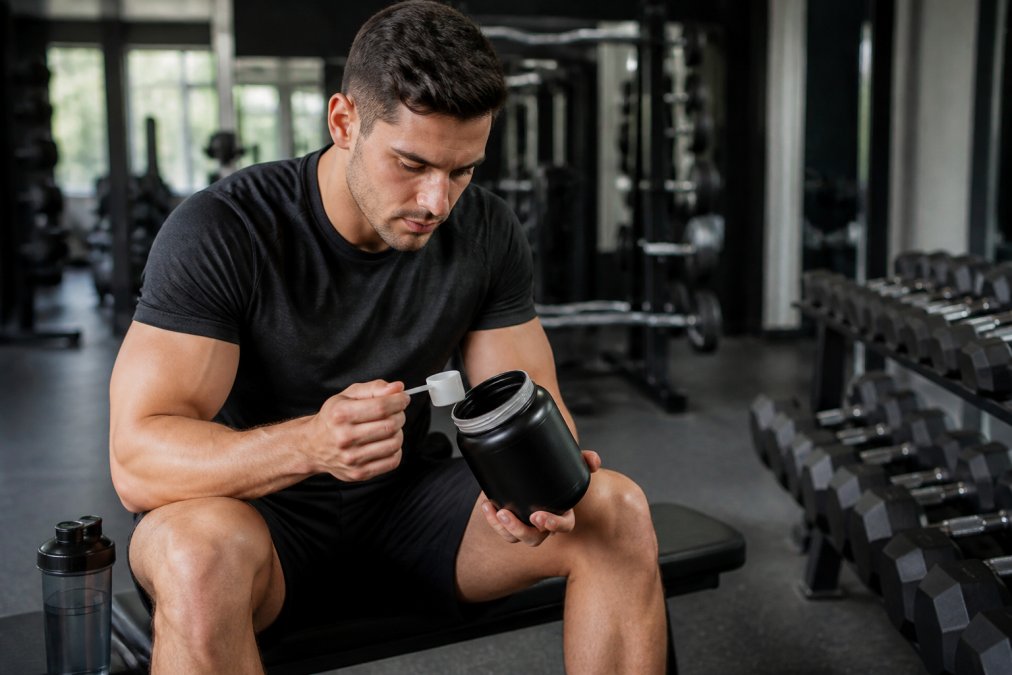
Stimulant supplements activate your central nervous system to increase alertness, energy, and mental focus. Most combine caffeine with secondary compounds that work through different neurochemical pathways to amplify and sustain the effect.
How Caffeine Works
Caffeine blocks adenosine receptors in your brain, delaying fatigue signals. Most stimulant pre-workouts use caffeine anhydrous, which absorbs faster than citrate or natural sources. Typical doses range from 150-300 mg per serving, with onset within 15-30 minutes and peak effects lasting 45-60 minutes.
Secondary Stimulant Ingredients
Beyond caffeine, many stimulant formulas include:
- Yohimbine HCl: Increases norepinephrine and fat mobilization; extends energy plateau. Typical dose: 2-5 mg per serving.
- Synephrine (Bitter Orange Extract): Increases heart rate and metabolic rate. Typical dose: 10-30 mg per serving.
- DMHA and Alternatives: DMHA availability is limited due to regulatory scrutiny; alternatives like AMP citrate are less common in mainstream formulas due to safety concerns.
- Phenylethylamine (PEA): Increases dopamine and norepinephrine for mood and energy. Short half-life (15-20 minutes), so formulas often use extended-release versions.
How These Ingredients Work Together
Caffeine blocks adenosine while yohimbine and synephrine increase catecholamine release, producing a more pronounced energy spike and mental focus than caffeine alone. However, this combination increases heart rate and blood pressure more significantly, carrying greater cardiovascular risk for sensitive individuals.
Most stimulant pre-workouts pair caffeine anhydrous with 2-4 supporting ingredients, with onset within 15-30 minutes. This makes them popular for early morning sessions or high-intensity training where maximum mental focus is needed from the first rep.
Stimulant supplements can trigger jitters, elevated heart rate, anxiety, and crashes. For caffeine-sensitive athletes or those with anxiety or hypertension, this trade-off often isn't worth the boost. Multiple stimulants increase overstimulation risk, especially when stacked with energy drinks or fat burners.
What Are Non-Stimulant Supplements?
Non-stimulant pre-workouts enhance blood flow and endurance through L-citrulline, beta-alanine, and nitric oxide boosters. They work by increasing vasodilation to boost oxygen and nutrient delivery, while beta-alanine reduces lactic acid buildup. The result is sustained performance without jitters or crashes.
Non-stimulant supplements are ideal for afternoon or evening training and for athletes with caffeine sensitivity or anxiety disorders.
Best Stimulant-Free Pre-Workout Options in 2026
Peakform Nutrition's Ambrosia Pre-Workout Powder delivers clean energy with lower caffeine levels paired with nootropics, eliminating jitters. It includes five nitric oxide ingredients for blood flow and reduced fatigue, plus beta-alanine and malic acid to reduce muscle soreness.

For a completely caffeine-free option, Peakform Nutrition offers Kenetik ($29.94), a ketone shot for clean energy during fasting or keto-adapted training, ideal for afternoon sessions or sensitive individuals.
The Workout Supplement Stack ($135.99) bundles Ambrosia with BCAAs and whey protein, ensuring ingredient synergy across your entire training day.
Benefits of Non-Stimulant Pre-Workout Formulas
Non-stimulant pre-workouts eliminate crashes entirely since they don't rely on central nervous system activation. Energy remains stable throughout your workout, which is especially important for afternoon or evening sessions where stimulant crashes could disrupt sleep.
Non-stimulant supplements build no tolerance, so you can use them consistently without cycling or dose increases.
They're safer for athletes with hypertension, anxiety, or heart rhythm irregularities, delivering performance benefits without cardiovascular stress.
Non-stimulant formulas often include higher doses of beta-alanine, L-citrulline, creatine, and other ergogenic aids that directly support muscle growth and endurance.
Caffeine Sensitivity and Workout Supplements: What You Need to Know
Caffeine sensitivity varies dramatically between individuals due to genetics and how quickly your liver metabolizes caffeine. Some tolerate 400mg without side effects; others experience jitters at half that dose.
Caffeine-sensitive athletes may experience anxiety, elevated heart rate, or sleep disruption. With a 5-6 hour half-life, a 3 PM pre-workout still has 25% of its caffeine at 9 PM, potentially disrupting sleep.
Caffeine-sensitive athletes should use non-stimulant pre-workouts or low-caffeine formulas like Ambrosia, which balances caffeine with nootropics for clean energy without jitters or crashes.
Tolerance, Cycling, and Ingredient Synergy
How Tolerance Develops to Stimulants
Tolerance develops through receptor downregulation (adenosine receptors become less sensitive to caffeine) and metabolic adaptation (your liver increases enzymes that break down caffeine faster).
Cycling Protocols: The Evidence-Based Approach
Cycling resets receptor sensitivity and restores metabolic baseline.
Non-Stimulant Supplements Don't Require Cycling
Unlike stimulants, non-stimulant supplements (beta-alanine, L-citrulline, nitric oxide boosters) do not trigger tolerance because they don't activate central nervous system receptors or deplete neurotransmitters. You can use them consistently year-round without sensitivity loss or dose escalation. This makes them ideal for athletes who need reliable, predictable performance without managing complex cycling protocols.
Ingredient Synergy: Stacking Stimulants and Non-Stimulants
Ingredient synergy, how different compounds work together, matters more than individual ingredients alone.
High-Synergy Non-Stimulant Stacks with Stimulants:
- L-Citrulline (6-8 g) + Caffeine: Citrulline increases nitric oxide production, widening blood vessels and improving oxygen delivery. When paired with caffeine's mental focus, this combination delivers both mental sharpness and enhanced muscle pump. The caffeine drives intensity; citrulline sustains it by improving nutrient delivery.
- Beta-Alanine (3-5 g) + Caffeine + Yohimbine: Beta-alanine buffers lactic acid, extending time-to-fatigue. Combined with caffeine's mental edge and yohimbine's fat mobilization, this stack is particularly effective for high-rep training or conditioning work where fatigue resistance matters.
- Creatine Monohydrate (5 g) + Caffeine: Creatine increases ATP availability, the primary energy currency in muscle cells. Caffeine enhances neural drive and focus. Together, they improve both strength output and mental intensity without competing for the same physiological pathway. This is one of the most research-backed combinations.
- Nitric Oxide Boosters (Beetroot Extract, Agmatine, or Citrulline Malate) + Caffeine + Beta-Alanine: A comprehensive stack that addresses mental focus (caffeine), blood flow (nitric oxide), and fatigue resistance (beta-alanine). This three-way combination is particularly effective for endurance training or high-volume strength sessions.
Why Synergy Matters More Than Individual Doses
The Practical Approach
Which Should You Choose?
Pick a stimulant supplement if you train early morning, prefer rapid energy onset, and tolerate caffeine well. The quick activation is valuable for high-intensity, short-duration sessions where you need maximum mental focus and adrenaline from the first rep.
Frequently Asked Questions
What is the primary difference between stimulant and non-stimulant supplements?
Stimulant supplements rely on caffeine, epinephrine, or similar compounds that increase central nervous system activity and adrenaline release, producing an immediate energy spike. Non-stimulant supplements achieve performance gains through blood flow enhancement (via nitric oxide and l-citrulline), endurance support (beta-alanine), and cognitive function (nootropics) without stimulating the nervous system. The key difference: stimulants create alertness and jitters; non-stimulants build sustained endurance and focus without the crash.
Does non-stimulant mean the product is completely caffeine-free?
Not always. Some non-stimulant formulas contain trace caffeine (under 30mg) or caffeine-free alternatives. True stimulant-free options contain zero caffeine. If you have caffeine sensitivity, check the label carefully, even trace amounts can trigger jitters or sleep disruption. Peakform's Ambrosia Pre-Workout uses lower caffeine levels paired with high-dose nootropics for clean mental focus without the typical stimulant crash.
Is it safe to take non-stimulant pre-workout every day?
Non-stimulant supplements are generally safer for daily use than stimulant formulas because they don't stress the central nervous system or build tolerance as quickly. However, individual ingredients like beta-alanine can cause harmless tingling, and some compounds benefit from cycling (taking breaks) to maintain effectiveness. For daily training, non-stimulant options minimize sleep disruption and anxiety, especially important if you train late or have caffeine sensitivity. Always follow label guidance and consult a healthcare provider if you have underlying health conditions.
Can I stack stimulant and non-stimulant supplements together?
Yes, but with caution. Many athletes stack a non-stimulant pre-workout (for blood flow and endurance) with a low-dose stimulant for energy. This combination maximizes vasodilation and mental clarity while controlling total caffeine intake. The Workout Supplement Stack from Peakform pairs Ambrosia (lower-caffeine pre-workout) with BCAAs for endurance and protein for recovery, a synergistic approach. Monitor your total caffeine intake and avoid stacking multiple high-caffeine products, which can increase heart rate and blood pressure excessively.
Which type is better for late-night training sessions?
Non-stimulant supplements are ideal for evening workouts because they don't interfere with sleep quality or disrupt your circadian rhythm. Stimulants consumed after 3 p.m. can linger for hours due to caffeine's half-life (4-6 hours), causing insomnia and affecting recovery. If you train late and need energy, choose a stimulant-free option like Kenetik Ketone Shot ($29.94), which provides clean energy without caffeine, or Ambrosia's lower-caffeine formula designed for sustained focus without sleep disruption.