

Table of Contents
- Why Athletes Switch From Optimum Nutrition to Cleaner Alternatives
- What to Look for in Clean Protein Powders
- Third-Party Tested Protein Powder Options That Actually Deliver
- Protein Powder Without Artificial Sweeteners or Flavors
- How to Read Protein Supplement Labels for Real Transparency
- Price Per Serving Breakdown: When Premium Ingredients Justify the Cost
- Conclusion: Making the Switch to Cleaner Protein
Last Updated: August 25, 2026
Why Athletes Switch From Optimum Nutrition to Cleaner Alternatives
Many high-performance athletes reach a point where they realize their supplement stack doesn't match their body's actual needs. An Optimum Nutrition alternative for clean ingredients becomes the natural next step, not because the original brand is bad, but because the landscape has shifted toward transparency and ingredient integrity.
Athletes who've trained consistently for years develop refined sensitivity to how their bodies respond to different formulations. They notice which products deliver clean energy versus stimulant crashes, which support recovery without digestive upset, and which ingredient lists actually align with what's printed on the label. At Peakform Nutrition, we empower you to define your own goals and improve your quality of life on your own terms.
The core issue isn't that mainstream brands cut corners intentionally. It's that they optimize for shelf stability, cost efficiency, and mass-market appeal, which often means trade-offs on ingredient quality. Clean-focused alternatives prioritize what athletes actually want: bioavailable nutrients, minimal additives, and third-party verification that what's on the label matches what's in the container.
This guide walks you through exactly what to evaluate when searching for an Optimum Nutrition alternative, which brands have earned legitimate credibility through rigorous testing, and how to read labels like someone who actually understands what they're looking at.
What to Look for in Clean Protein Powders
The difference between a clean protein powder and a standard one comes down to five core criteria: protein source quality, sweetening method, absence of unnecessary fillers, third-party certification, and ingredient transparency.
Protein source matters more than most people realize. Grass-fed whey isolate differs fundamentally from concentrate in terms of amino acid profile and bioavailability. Grass-fed sources contain higher levels of omega-3 fatty acids and conjugated linoleic acid (CLA), which support recovery and reduce inflammation markers post-workout (peer-reviewed research). Plant-based proteins like pea, rice, and hemp blends offer a different advantage: they're naturally free from lactose and deliver prebiotic fiber that supports digestive health.
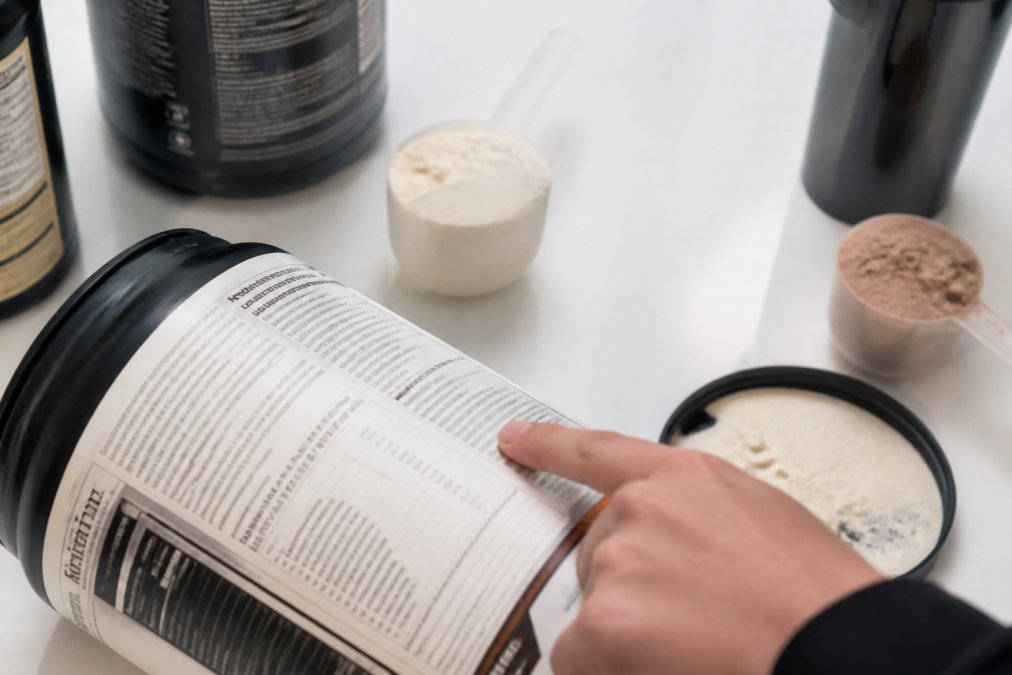
Sweetening strategy reveals whether a brand prioritizes athlete health or cost reduction. Stevia, monk fruit, and erythritol are markers of a brand invested in clean alternatives. These sweeteners don't trigger insulin spikes and don't carry the metabolic concerns of artificial sweeteners (peer-reviewed research). If you see acesulfame potassium, artificial flavors, or FD&C color additives, you're looking at a formula designed for shelf appeal, not performance optimization.
Filler content is where brands hide cost-cutting. If maltodextrin, dextrose, or gum thickeners appear before or alongside your protein source, you're buying filler with a protein label. True clean formulas list protein first, followed by minimal additions.
Third-party testing transforms trust from a marketing claim into verifiable fact. NSF Certified for Sport, Informed Choice, and Informed Sport certifications mean an independent lab tested the product for banned substances and verified the label claim matches the contents. If a company won't pay for third-party testing, ask yourself why.
Third-Party Tested Protein Powder Options That Actually Deliver
When evaluating an Optimum Nutrition alternative, third-party certification becomes your assurance that the product is verified as clean.
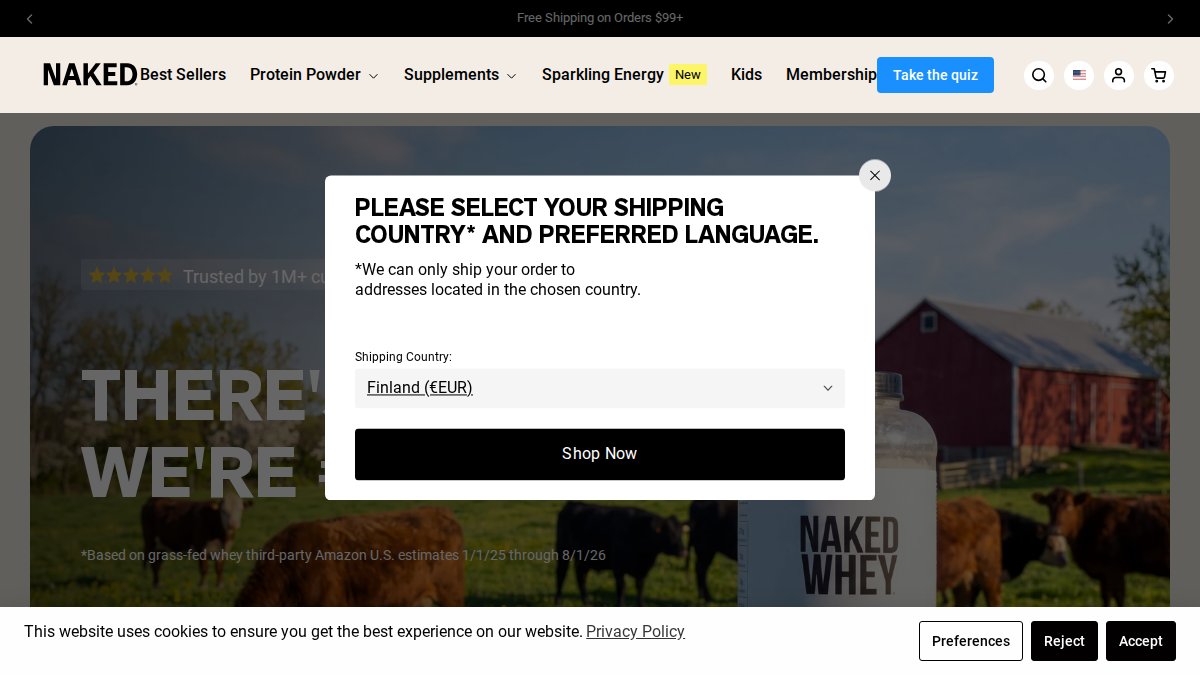
Naked Nutrition Naked Whey leads with radical simplicity. The unflavored version contains exactly one ingredient: grass-fed whey protein concentrate. The company sources from small California and Idaho dairy farms and uses cold-processing to preserve amino acid integrity. For athletes who want zero ambiguity about what they're consuming, this is the gold standard.
Klean Athlete Klean Isolate Whey Protein targets competitive athletes specifically. NSF Certified for Sport means every batch is tested for banned substances. The formula is GMO-free, free from wheat and gluten, and uses only natural flavors. Klean's commitment to athletic integrity makes it a legitimate Optimum Nutrition alternative for serious competitors.
Garden of Life Sport Organic Plant-Based Protein delivers 20 grams of protein per serving from an organic blend without dairy. The formula includes probiotics and digestive enzymes, which matters significantly for athletes whose intense training can compromise gut health. It's USDA Organic, Non-GMO Project Verified, and Informed-Sport Certified.
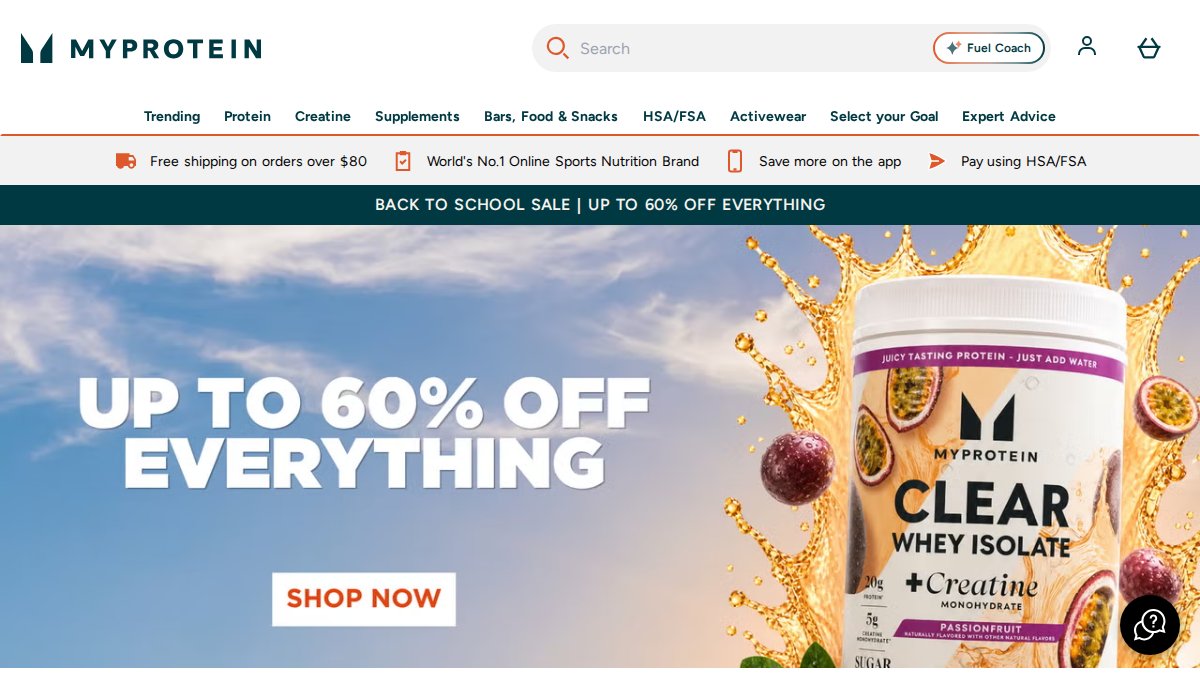
Myprotein Grass-Fed Impact Whey Isolate provides 25 grams of protein per serving from 100% grass-fed cow's milk, with Informed Choice and Informed Sport certifications. The isolate form means lower lactose content than concentrates, which matters for digestive comfort during heavy training phases.
NOW Foods Sports Organic Whey Protein offers certified organic, grass-fed whey at a significantly lower price point than premium alternatives. USDA Organic certification means no synthetic pesticides, no GMOs, and no artificial additives. It represents the best value for athletes prioritizing organic sourcing without premium brand markups.
| Brand | Protein Type | Certification | Best For | Key Consideration |
|---|---|---|---|---|
| Naked Whey | Grass-fed concentrate | NSF Certified | Simplicity seekers | One ingredient only |
| Klean Isolate | Grass-fed isolate | NSF Certified for Sport | Competitive athletes | Banned substance testing |
| Garden of Life | Organic plant-based | Informed-Sport | Plant-based athletes | Includes digestive enzymes |
| Myprotein Grass-Fed | Grass-fed isolate | Informed Choice/Sport | Lactose-sensitive athletes | Lower lactose content |
| NOW Foods Organic | Organic grass-fed | USDA Organic | Budget-conscious athletes | In-house testing only |
Protein Powder Without Artificial Sweeteners or Flavors
The choice between artificial and natural sweeteners is where most athletes make their first mistake when switching from mainstream brands.
Artificial sweeteners like sucralose and aspartame don't contain calories, but research suggests these compounds can trigger digestive distress, alter gut bacteria composition, and create cravings that undermine weight management goals (peer-reviewed research). They also leave a chemical aftertaste that makes post-workout shakes genuinely unpleasant to consume.
Natural sweeteners shift the equation. Stevia and monk fruit contain zero calories and don't trigger insulin responses. Erythritol delivers a taste profile closest to sugar but contains minimal calories and doesn't impact blood glucose. The trade-off: erythritol can cause digestive upset in sensitive individuals.
Unflavored protein powders eliminate this entire decision. If you're willing to mix with coffee, blend into oatmeal, or combine with fruit, unflavored options like Naked Whey deliver complete control over your final product.
For flavored options that deliver clean profiles, look for brands that specify their sweetening agent on the front label. If it says "stevia-sweetened" or "monk fruit sweetened" prominently, that's a brand confident in that choice.
How to Read Protein Supplement Labels for Real Transparency
Most athletes scan the protein grams and move on. Reading a label strategically reveals whether a brand is genuinely clean or simply marketing that way.
Start with the ingredient list, not the nutrition facts. The ingredient list is ordered by weight, so the first three ingredients tell you almost everything. If you see protein first, followed by a sweetener and minimal additives, you're looking at a focused formula. If you see maltodextrin or multiple gum thickeners before or alongside protein, the brand is bulking the product with cheap fillers.
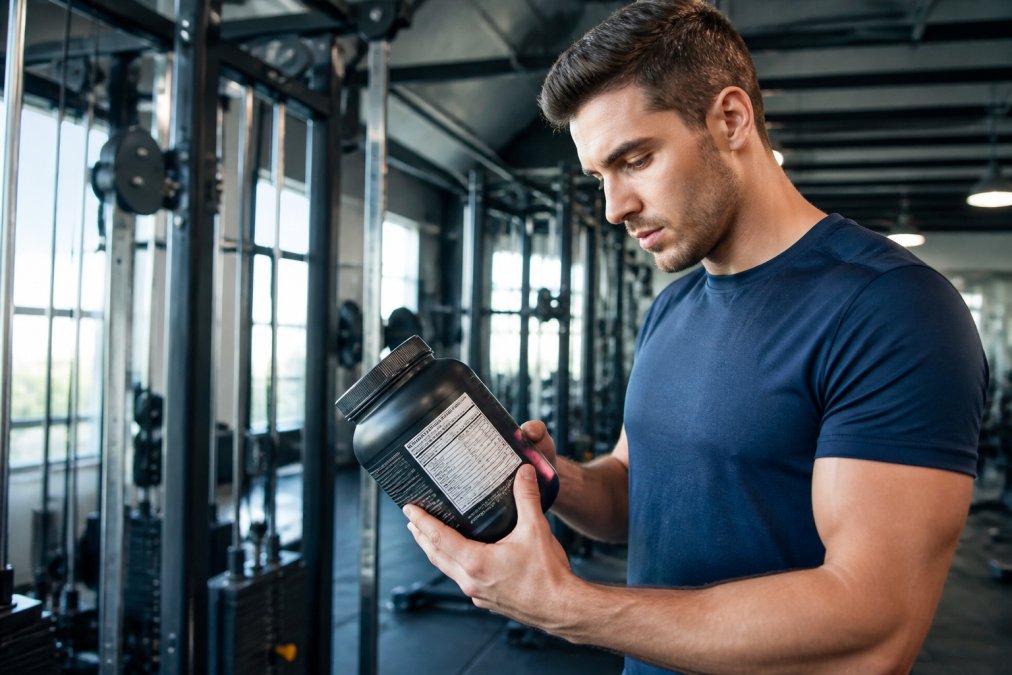
Check the amino acid profile on the back label. Leucine content matters specifically because it's the amino acid most directly responsible for triggering muscle protein synthesis. Whey isolates typically contain 10-12% leucine by weight, while plant-based blends often fall to 7-9%. If a brand doesn't list amino acid breakdown, that's a red flag.
Verify third-party testing claims with actual certification numbers. Legitimate certifications include NSF Certified for Sport, Informed Choice, and Informed Sport, and these come with searchable databases where you can verify a specific product batch. If a brand claims testing but can't provide a verification number, they're claiming credit for testing they didn't actually undergo.
Look for "micro-filtered" or "cold-processed" language. These processing methods preserve amino acid structure and bioavailability better than heat-processed alternatives. If the label doesn't specify processing method, ask the brand directly.
Cross-reference the serving size against actual usage. If the label shows 25 grams of protein per 30-gram serving, you're getting an efficient formula. If it shows 20 grams per 45-gram serving, you're getting filler. Calculate grams of protein per gram of powder to compare fairly across brands.
Watch for "proprietary blend" language anywhere on the label. This phrase means the brand isn't disclosing the exact ratio of ingredients within that blend. For protein powders, this usually signals the brand is hiding something.
Price Per Serving Breakdown: When Premium Ingredients Justify the Cost
The sticker shock of switching to a legitimate Optimum Nutrition alternative often stops athletes before they even try the product. Understanding the actual cost per serving reveals whether premium pricing reflects real ingredient quality or just brand positioning.
Calculate this yourself: divide the total price by the number of servings. Pricing depends on quantity, dates, and delivery. You can find current prices on Peakform Nutrition's website.
Is that premium justified? Yes, if you're getting third-party testing for banned substances, grass-fed sourcing with documented supply chain, organic certification with no synthetic pesticides, or digestive enzyme inclusion. No, if you're paying premium price for brand recognition alone or marketing claims without verification.
Conclusion: Making the Switch to Cleaner Protein
Switching from a mainstream brand to a genuinely clean Optimum Nutrition alternative requires understanding what "clean" actually means on a label, which certifications carry real weight, and how to calculate whether premium pricing reflects real ingredient superiority.
Peakform Nutrition's tailor-made approach to supplementation means your protein choice aligns with your specific training phase, digestive sensitivities, and performance targets, not a one-size formula optimized for shelf appeal. With options like our Ambrosia pre-workout powder delivering crystal-clear mental focus without jitters, combined with clean protein sourcing, you're not just switching brands; you're upgrading your entire recovery strategy. Shop Now and experience the difference transparent ingredients make in your actual performance.
=== FAQ ANSWERS (audit these too, same rules) ===
[1] Q: Is Optimum Nutrition a clean brand? A: Optimum Nutrition is a mainstream brand that uses some artificial sweeteners and additives in many of its formulations. If you prioritize minimalist ingredient lists, third-party testing, or natural sweeteners like stevia or monk fruit, you may find cleaner alternatives better suited to your needs. Many athletes switch to brands that offer more transparent sourcing and fewer synthetic ingredients.
[2] Q: What are the best third-party tested protein powders? A: Look for certifications like NSF Certified for Sport, Informed Choice, or Informed Sport, which verify products are free from banned substances and contaminants. Brands like Klean Athlete Klean Isolate Whey Protein and Myprotein Grass-Fed Impact Whey Isolate carry these certifications. Third-party testing ensures you're getting what's on the label and nothing harmful is hiding inside the container.
[3] Q: How do I know if a protein powder truly has clean ingredients? A: Check the ingredient list for unnecessary fillers, artificial sweeteners (like aspartame or sucralose), artificial flavors, and colors. Clean protein powders typically have short ingredient lists you can recognize. Look for certifications like USDA Organic, Non-GMO Project Verified, or NSF Certified for Sport. Grass-fed whey sources and plant-based proteins with added digestive enzymes are also strong indicators of a cleaner formulation.
[4] Q: What ingredients should I avoid in protein powder? A: Avoid artificial sweeteners like aspartame, acesulfame potassium, and sucralose if you prefer natural options. Skip products with artificial colors, unnecessary fillers, or binders like magnesium stearate. Be cautious of high sugar content in flavored varieties. If you have sensitivities, watch for soy, gluten, and lactose. Check for transparent sourcing information and avoid brands that don't disclose where their protein comes from or how it's processed.
Frequently Asked Questions
Is Optimum Nutrition a clean brand?
Optimum Nutrition is a mainstream brand that uses some artificial sweeteners and additives in many of its formulations. If you prioritize minimalist ingredient lists, third-party testing, or natural sweeteners like stevia or monk fruit, you may find cleaner alternatives better suited to your needs. Many athletes switch to brands that offer more transparent sourcing and fewer synthetic ingredients.
What are the best third-party tested protein powders?
Look for certifications like NSF Certified for Sport, Informed Choice, or Informed Sport, which verify products are free from banned substances and contaminants. Brands like Klean Athlete Klean Isolate Whey Protein and Myprotein Grass-Fed Impact Whey Isolate carry these certifications. Third-party testing ensures you're getting what's on the label and nothing harmful is hiding inside the container.
How do I know if a protein powder truly has clean ingredients?
Check the ingredient list for unnecessary fillers, artificial sweeteners (like aspartame or sucralose), artificial flavors, and colors. Clean protein powders typically have short ingredient lists you can recognize. Look for certifications like USDA Organic, Non-GMO Project Verified, or NSF Certified for Sport. Grass-fed whey sources and plant-based proteins with added digestive enzymes are also strong indicators of a cleaner formulation.
What ingredients should I avoid in protein powder?
Avoid artificial sweeteners like aspartame, acesulfame potassium, and sucralose if you prefer natural options. Skip products with artificial colors, unnecessary fillers, or binders like magnesium stearate. Be cautious of high sugar content in flavored varieties. If you have sensitivities, watch for soy, gluten, and lactose. Check for transparent sourcing information and avoid brands that don't disclose where their protein comes from or how it's processed.