

Table of Contents
- Why Athletes Switch From Legion Athletics Alternatives
- What to Look for in Legion Athletics Alternatives
- Pre-Workout Alternatives: Clean Energy Without Jitters
- Protein and Recovery: Building Muscle on Your Terms
- Legion Athletics vs Transparent Labs: What Sets Them Apart
- Best Supplement Brands for Athletes: Comparison and Selection
- Frequently Asked Questions
Last Updated: October 12, 2026
Why Athletes Switch From Legion Athletics Alternatives
Athletes leave established brands for one reason: they're not getting what they need.
Athletes now demand transparency into pre-workout, recovery, and protein formulas, third-party testing that proves purity, sane cost-per-serving, and options matched to their training style, endurance, strength, or hybrid.
At Peakform Nutrition, we've tracked what drives athletes to explore Legion Athletics alternatives: when a supplement doesn't deliver, or the price-to-performance ratio stops making sense, they look elsewhere.

What to Look for in Legion Athletics Alternatives
The difference between a mediocre pre-workout and one that enhances performance comes down to three factors: transparency, independent lab verification, and enough active ingredients to see results.
Third-Party Testing and Quality Assurance
Third-party testing is the gold standard: an independent lab verifies the label matches the bottle and that no banned substances entered production. For athletes, a contaminated supplement can trigger a failed drug test and derail a season.
Look for NSF Certified for Sport or Informed Sport certification. These programs test for banned substances and verify label accuracy; brands pay thousands per product, so only serious manufacturers invest.
Ingredient Transparency and Label Disclosure
Open the label. If the brand uses a proprietary blend that hides dosages, move on. Proprietary blends list ingredients but not amounts, claiming a "trade secret", in reality, that often means less of the effective ingredients and more cheap fillers.
The best brands list every ingredient with its exact dosage, so you can compare apples to apples: whether you're getting a clinically effective dose of creatine monohydrate, citrulline malate, or beta-alanine, and whether caffeine matches your tolerance.
Cost Per Effective Serving
Price matters, but price per serving matters more. A $50 tub with 30 servings beats a $40 tub with 20, and cost per serving only matters if dosages are effective.
Calculate cost per serving, then compare it against the active ingredient load. If two brands both cost $1.50 per serving but one includes 5 grams of citrulline malate and the other 2 grams, the first wins.
| Evaluation Criteria | What to Look For | Why It Matters |
|---|---|---|
| Third-party testing | NSF Certified for Sport or Informed Sport | Guarantees purity and label accuracy |
| Ingredient disclosure | Full dosages listed, no proprietary blends | Confirms you're getting effective amounts |
| Cost per serving | Total cost divided by servings | Ensures you're not overpaying for weak formulas |
| Allergen clarity | Clear labeling of common allergens | Prevents adverse reactions during training |
| Active ingredient dosage | Clinically validated amounts | Determines whether the product will actually work |
Pre-Workout Alternatives: Clean Energy Without Jitters
Most pre-workouts rely on high caffeine doses for an immediate "kick," which works until it doesn't.
The better approach is a pre-workout built on nootropics and blood-flow ingredients rather than caffeine overload. Ambrosia Pre-Workout Powder pairs lower caffeine with high-dose nootropics for crystal-clear focus that lasts your entire workout, plus five nitric oxide ingredients for blood flow and reduced fatigue, and beta-alanine and citrulline malate to reduce soreness.

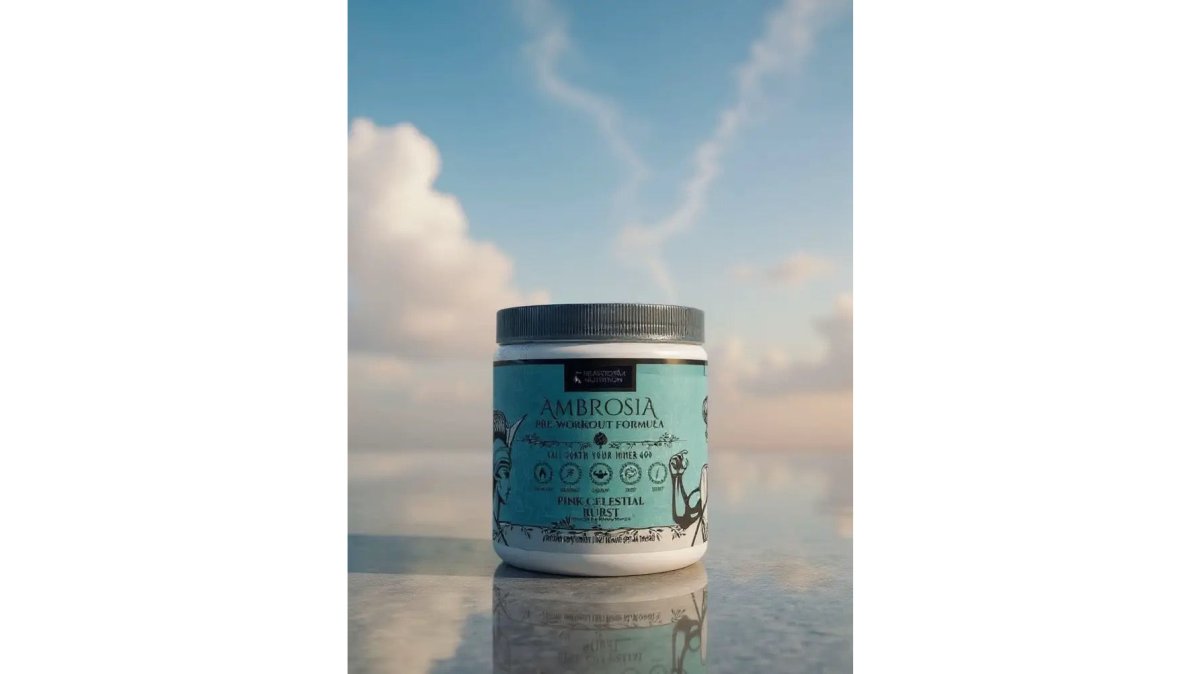
The key difference is what you feel. High-caffeine pre-workouts leave you wired, tingling skin, racing heart.
If you're sensitive to stimulants or dealing with anxiety, a stimulant-free option like Kenetik Ketone Shot offers clean energy for fasting or keto-adapted athletes.
Protein and Recovery: Building Muscle on Your Terms
Protein powder is the foundation of muscle recovery, but not all protein is the same. Whey isolate absorbs faster than concentrate, ideal post-workout.
The Workout Supplement Stack bundles Ambrosia pre-workout with Elite Endure/Recover BCAA and Elite Standard Whey for a complete training day: energy and focus going in, amino acid support during and after, and protein for muscle repair.

Recovery isn't just protein, it's inflammation, sleep quality, and hormonal balance. Peakform Nutrition Multivitamin Gummies support overall wellness, normal immune function, sleep quality, and memory.
Legion Athletics vs Transparent Labs: What Sets Them Apart
Most "Legion Athletics alternative" searches land on Transparent Labs, since both publish full labels, invest in third-party testing, and sit in the premium tier. The differences that matter are narrower than marketing suggests, and show up at the product level, not the brand level.
Where the two brands genuinely diverge
Stimulant load in pre-workout. Legion's Pulse uses a caffeine anhydrous base around 350 mg per scoop, above the 200-300 mg range most practitioners consider moderate for a 70-80 kg athlete.
Protein sourcing and filtration. Legion's whey is an isolate/concentrate blend; Transparent Labs' 100% Grass-Fed Whey Isolate is a straight isolate.
Cost per effective serving. A tub price tells you nothing. Divide total cost by servings, then by grams of the active ingredient you care about.
| Decision factor | What to check on the label | Why it changes the pick |
|---|---|---|
| Caffeine per scoop | mg caffeine anhydrous + any added caffeine sources | Evening training, stimulant sensitivity, sport caffeine rules |
| Protein type | Isolate vs. concentrate vs. blend | Lactose tolerance, macro purity, absorption speed |
| Certification | NSF Certified for Sport or Informed Sport listing | Required for many drug-tested athletes |
| Active dose | Grams per serving of citrulline, beta-alanine, creatine | Determines whether the formula can actually work |
| Cost per effective serving | Total price ÷ servings ÷ grams of active | The only apples-to-apples value metric |
The gap neither brand closes for every athlete
Both Legion and Transparent Labs are strength-and-hypertrophy-first brands: pre-workouts dosed for lifting, proteins for muscle repair, recovery products assuming a resistance-training calendar.
That's the real selection problem, not "which premium brand is better," but "which product, at which dose, fits my sport, testing status, and training time of day." A sprinter and a marathoner both count as "athletes" yet need opposite caffeine and carbohydrate strategies.
Best Supplement Brands for Athletes: Comparison and Selection
Most "best brand" lists rank companies, the wrong unit of analysis. The right question: which product, at which dose, fits my sport, testing status, training schedule, and budget? A brand can be excellent for a powerlifter and wrong for a collegiate soccer player in the same week.
Step 1: Define your sport demand before you shop
Different sports load different systems, and what helps one can hurt another.
- Strength and power sports (powerlifting, Olympic lifting, sprinting, throws). Priority: creatine monohydrate (3-5 g/day maintenance), protein (1.6-2.2 g/kg bodyweight/day for hypertrophy), and a pre-workout supporting force output without wrecking sleep. High-caffeine formulas are tolerable if training is early.
- Endurance sports (running, cycling, rowing, triathlon). Priority: carbohydrate availability, electrolytes, and caffeine timed for race day, not every session. A 350 mg pre-workout before a Tuesday tempo run is counterproductive.
- Team and intermittent sports (soccer, basketball, hockey, lacrosse). Priority: recovery between sessions, sodium hydration, and a pre-workout that doesn't spike heart rate during skill work. Stimulant-free or low-stim options usually win.
- Hybrid and tactical athletes. Priority is stacking products that do not overlap in stimulants and that fit two-a-day schedules. Watch total daily caffeine, not just per-scoop.
Step 2: Check your competition rules and testing status
If you're subject to drug testing, NCAA, pro league, national governing body, or military standard, the brand's marketing claim is irrelevant. What matters is whether the specific product appears on a certifying body's public listing.
- NSF Certified for Sport maintains a searchable product database and audits the facility, not just the lot.
- Informed Sport runs a similar batch-testing and facility-audit program with a public product list.
- "Third-party tested" without certification means a lab tested a sample, not that the facility was audited or every batch covered.
Tested athletes commonly verify the exact SKU and flavor on the certifier's site before every reorder, since formulations and certifications change. Keep a screenshot for your compliance file.
Step 3: Normalize cost by effective serving
Brand pricing obscures value. Fix that with one calculation:
Cost per effective serving = total price ÷ number of servings ÷ grams of the active ingredient you care about.
Run it on the ingredient that drives the benefit for your goal: for pre-workout, citrulline malate, beta-alanine, and caffeine; for protein, grams of protein per serving, not grams of powder; for creatine, grams of creatine monohydrate per serving, and plain creatine monohydrate is one of the few categories where the cheapest option is often best.
Worked example: Brand A costs $45 for 30 servings with 6 g citrulline malate, $1.50 per serving, $0.25 per gram. Brand B costs $35 for 25 servings with 3 g, $1.40 per serving but $0.47 per gram. Brand B looks cheaper on the shelf and is nearly twice as expensive per effective dose.
Step 4: Match product category to need, not brand to loyalty
Stop shopping by brand. Shop by category:
- Protein. Isolate if lactose-sensitive or cutting; a blend for sustained release; plant-based if vegan, and check that amino acid profile and leucine per serving are disclosed.
- Pre-workout. Choose by caffeine tolerance and training time. Stimulant-free options aren't weaker, they rely on nitrates, citrulline, and nootropics instead of caffeine.
- Creatine. Plain creatine monohydrate, third-party tested, is the default. Skip proprietary blends and "advanced" forms unless you have a specific reason.
- Recovery and sleep. Look for magnesium, glycine, and tart cherry. Avoid stacking stimulants into evening recovery products.
Step 5: Screen for tolerability before you commit
Allergens, sweeteners, and stimulants are the three most common reasons athletes abandon otherwise-working products.
- Allergens. Milk, soy, and gluten are the usual suspects in protein powders. Check the "contains" statement, not the marketing copy.
- Sweeteners. Sugar alcohols (erythritol, sorbitol, maltitol) cause digestive distress for some athletes, especially during endurance events. Sucralose and stevia are common alternatives; neither is universally tolerated.
- Stimulants. Total daily caffeine from pre-workout, coffee, energy drinks, and gels adds up. Track the sum, not the single scoop.
If unsure, buy the smallest size and test it on a rest day, not a competition day.
Frequently Asked Questions
What are the best Legion Athletics alternatives for athletes?
The best Legion Athletics alternatives depend on your specific training goals. Look for brands offering third-party tested sports supplements with transparent ingredient labels, effective dosages of key compounds like citrulline and beta-alanine, and clean energy formulas without artificial additives. Peakform Nutrition's Ambrosia Pre-Workout Powder ($64.99) delivers crystal-clear mental focus with lower caffeine and high nootropics, plus five nitric oxide ingredients for sustained blood flow. The Workout Supplement Stack ($135.99) combines pre-workout, BCAAs, and whey protein for complete performance support across training phases.
How do third-party tested sports supplements compare on ingredient quality?
Third-party tested sports supplements provide independent verification that what's on the label matches what's in the container, eliminating guesswork about purity and potency. This testing catches contaminants, verifies active ingredient amounts, and screens for banned substances, critical for competitive athletes. Brands displaying third-party certifications demonstrate commitment to ingredient transparency and quality assurance. When evaluating options, check for NSF Certified for Sport or similar marks, review the specific compounds (citrulline dosage, creatine monohydrate purity), and confirm testing covers both identity and contaminants, not just label claims.
Why do athletes experience jitters with some pre-workout formulas?
Jitters typically result from excessive caffeine combined with stimulants like synephrine or inadequate buffering compounds. High caffeine doses (300+ mg) without supporting nootropics overwhelm the nervous system, causing tremors and anxiety. Quality pre-workout alternatives use moderate caffeine (100-200 mg) paired with high-dose nootropics, beta-alanine, and citrulline malate to deliver sustained energy and focus without the crash. Ambrosia Pre-Workout achieves this through lower caffeine levels and elevated nootropic content, plus beta-alanine and malic acid to reduce muscle soreness without the tingling sensation many athletes dislike.
What makes a supplement brand trustworthy for serious athletes?
Trustworthy supplement brands for athletes provide ingredient transparency with complete dosages listed, third-party testing results accessible to customers, WADA compliance or sport certification where applicable, and honest communication about what supplements can and cannot do. Check for brands that disclose all active ingredients with specific amounts (not proprietary blends), publish third-party test reports, and avoid exaggerated performance claims. Reputable best supplement brands for athletes also maintain consistent quality across batches, offer clear return policies, and provide customer support for questions about ingredient interactions or suitability for your training phase.