

Table of Contents
- What Makes Expensive Protein Powder Cost More
- Protein Purity and Third-Party Supplement Testing
- How to Choose Clean Protein Powder Without Overpaying
- Protein Powder Fillers and Additives: What You're Actually Paying For
- Cost Per Serving and Real Value Calculation
- When Premium Price Delivers Results
- Conclusion: Making Your Decision
Last Updated: August 30, 2026
What Makes Expensive Protein Powder Cost More
The price difference between budget and premium protein powders can be shocking, but it reflects real manufacturing differences, not just marketing.
Raw material costs vary significantly. Whey isolate costs more than whey concentrate because additional microfiltration or ion-exchange processing removes more lactose and fat (peer-reviewed research). Cold-pressed extraction methods also command higher prices than standard processing.
Ingredient quality differs dramatically. Premium brands source whey from grass-fed cattle and invest in sourcing verification. Budget brands use commodity whey with more fillers and additives to hit the same protein content per serving.
Third-party testing and certification add real cost. Independent lab verification ensures the product contains exactly what the label claims. Manufacturing standards matter too, facilities with stricter quality control and advanced equipment naturally cost more to operate. Brands investing in formulation science and studying how ingredient combinations affect bioavailability pass those development costs along.
The critical question isn't whether expensive protein powder costs more, but whether those costs reflect real value or marketing spend.
Protein Purity and Third-Party Supplement Testing
Third-party testing means an independent lab analyzes the product to verify protein content, test for contaminants, and confirm that label claims match what's actually inside. This is the most reliable way to know you're getting what you paid for.
Budget protein powders rarely undergo third-party testing. Manufacturers conduct their own internal testing, which lacks external verification. Premium brands often display third-party testing results on their website or packaging. Peakform Nutrition takes this seriously because clean ingredients mean nothing without verification.
Common contaminants that testing catches include heavy metals, bacterial pathogens, and undeclared ingredients (the FDA). A product might claim to be free of artificial sweeteners but contain them anyway. For athletes and health-conscious consumers, this verification is worth paying for.
A comprehensive third-party analysis can cost $1,000-$3,000 per batch (the FDA). Brands that test every batch pass these costs to consumers. Look for brands that publish their testing results openly. If a brand claims to be "third-party tested" but doesn't show actual results, that's a red flag.
How to Choose Clean Protein Powder Without Overpaying
Start by calculating cost per serving, not just total price. A $60 tub with 40 servings costs $1.50 per serving. A $35 tub with 20 servings costs $1.75 per serving. The cheaper tub is actually more expensive in real terms.
Next, verify protein content per serving and calculate cost per gram of protein. If a product delivers 25 grams of protein per serving at $1.50 per serving, that's 6 cents per gram. Another brand delivering 20 grams per serving at $1.50 per serving costs 7.5 cents per gram.
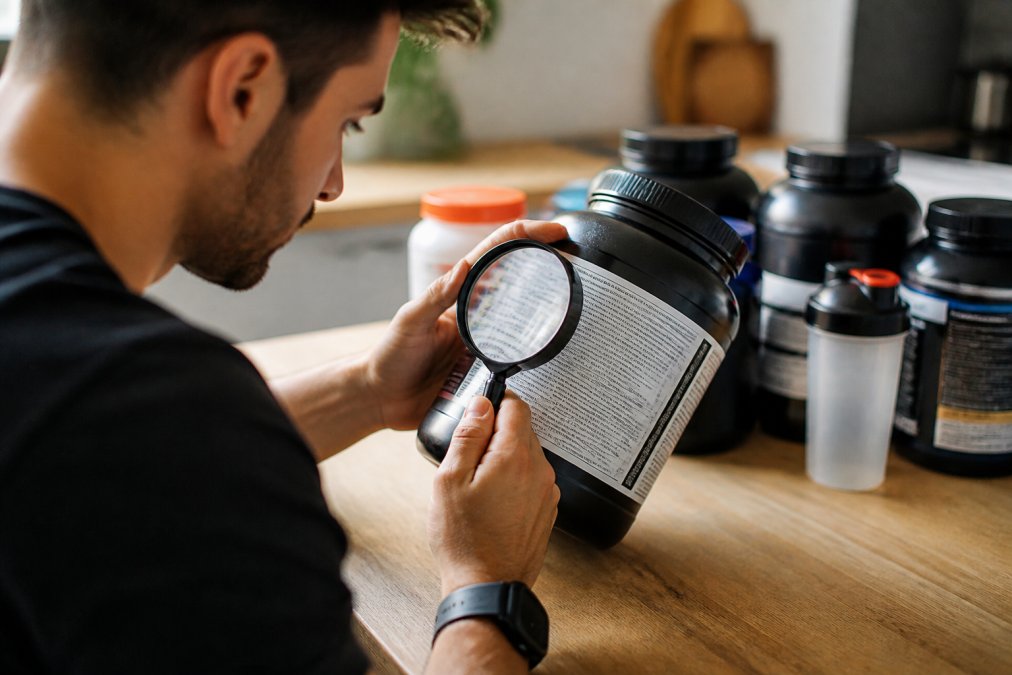
Read the ingredient list carefully. Budget powders often list fillers and artificial sweeteners prominently. Premium options tend to have shorter ingredient lists with recognizable items.
Check for amino spiking, where brands add cheap amino acids to artificially inflate protein count. Look for products that list whey concentrate or whey isolate as the primary ingredient, not "amino acid blend."
Digestibility matters, especially if you have a sensitive stomach. Whey isolate is more digestible than concentrate because it's been processed to remove more lactose and fat.
Look for brands that disclose their processing methods. Microfiltration, ultrafiltration, and ion-exchange are legitimate methods that improve purity. Consider whether you need specialty additions like digestive enzymes or probiotics. If you don't need these, you're paying for features you won't use.
Finally, check if the brand offers a satisfaction guarantee or return policy. This signals confidence in the product and reduces your risk.
Protein Powder Fillers and Additives: What You're Actually Paying For
Budget protein powders rely heavily on fillers and additives to hit price targets while maintaining acceptable taste and texture.
Fillers like maltodextrin, dextrose, or gum arabic add volume without nutritional value. A powder that's 70 percent protein and 30 percent fillers costs less to produce than one that's 90 percent protein.
Thickeners like xanthan gum create smoother texture and better mixability, but premium powders achieve good texture through better ingredient selection rather than relying on thickeners.
Artificial sweeteners appear in almost all flavored protein powders, but the type matters. Sucralose and aspartame are cheap and widely used in budget options. Some people experience digestive issues from these sweeteners. Premium brands often use stevia or monk fruit, which cost more but are tolerated better by many people.
Artificial flavoring in budget powders often tastes chemical or chalky. Premium brands invest in better flavor compounds that taste more natural. If a powder tastes terrible, you won't drink it consistently, which defeats the purpose of buying it.
Some additives serve actual purposes. Lecithin improves mixability. Potassium and sodium balance electrolytes. Digestive enzymes help break down protein more efficiently. The question is whether they're necessary for your situation.
The label "natural" on budget powders often masks the same artificial additives as other products. Read the actual ingredient list rather than relying on marketing language.
Cost Per Serving and Real Value Calculation
Most people make purchasing mistakes by comparing total price without considering servings or what each serving delivers.
Create a simple comparison table for products you're considering:
| Product | Total Price | Servings | Cost Per Serving | Protein Per Serving | Cost Per Gram |
|---|---|---|---|---|---|
| Budget Brand | $35 | 20 | $1.75 | 20g | 8.75¢ |
| Mid-Range | $55 | 40 | $1.38 | 25g | 5.5¢ |
| Premium | $75 | 50 | $1.50 | 27g | 5.6¢ |
The budget brand looks cheapest at first glance, but cost per gram reveals the mid-range option is actually the best value.

Calculate how long each container lasts based on your actual consumption. Over a year, the difference in how many containers you need is significant.
Factor in waste. If a powder tastes terrible and you throw half away, the actual cost per serving consumed is double what you calculated. Premium powders with better taste profiles might result in less waste, making them genuinely cheaper in practice.
Consider your goals and timeline. If you're training intensively for three months, buying the cheapest option makes sense. If you're using protein powder daily for years, investing in quality you'll consistently consume is smarter long-term spending.
When Premium Price Delivers Results
Expensive protein powder is worth buying in specific situations where the additional cost directly impacts your outcomes.
If you have digestive sensitivity, premium isolate-based powders with digestive enzymes justify their cost. The difference between experiencing bloating or stomach discomfort versus feeling fine is worth paying for. Peakform Nutrition's approach to clean ingredients is designed to support athletes who need to avoid digestive issues during training or competition.
If you're competing or training at high intensity, third-party tested products reduce the risk of contamination or banned substances. The cost of a premium powder is trivial compared to the cost of a failed drug test or health consequences from contaminated supplements.
If you've hit a training plateau and suspect poor recovery is limiting you, investing in higher quality protein might help. Better bioavailability and amino acid profiles can improve muscle protein synthesis. Test this for yourself over 8-12 weeks rather than assuming it will work.
If you're sensitive to artificial ingredients or have specific dietary restrictions, premium options that accommodate your needs are worth the cost. Someone avoiding artificial sweeteners or following a specific nutrition protocol might find only premium brands that meet their requirements.
If consistency matters more than cost, premium options that taste better and mix smoothly increase adherence. A more expensive option you'll actually consume is better than a cheap one you avoid.
The mistake is assuming premium price always delivers premium results. Expensive protein powder is worth buying only when the specific premium features address your actual needs or constraints.
Choosing between expensive protein powder and budget alternatives requires honest assessment of what you need and what you'll actually use. Calculate cost per gram, verify ingredient quality through third-party testing when possible, and consider your specific constraints, digestive sensitivity, dietary restrictions, training intensity, or performance goals. Peakform Nutrition's commitment to clean ingredients and transparent sourcing reflects the reality that premium pricing should correlate with real quality differences, not just marketing spend. The best protein powder is the one that delivers the protein you need at a price you can sustain long-term while meeting your quality standards. For most people, that's somewhere in the mid-range, more expensive than the cheapest option but less expensive than premium brands offering features you don't need. Shop based on your actual requirements, not on brand reputation or price alone.
Frequently Asked Questions
What ingredients justify a higher price in protein powder?
Premium proteins typically cost more when they use microfiltration or cold-pressed processing methods that preserve amino acid profiles and improve bioavailability. Third-party testing certification, hydrolyzed protein options for faster absorption, and inclusion of digestive enzymes also increase costs. Clean sourcing without artificial sweeteners, amino spiking prevention, and transparent label practices command higher prices because they require stricter quality control and honest ingredient sourcing.
Are there hidden costs in cheap protein powders?
Yes. Budget powders often contain fillers, excessive artificial sweeteners, and lower protein purity levels, meaning you're paying per serving for inactive ingredients rather than actual protein. They may lack third-party testing, increasing risk of amino spiking or contamination. Lower bioavailability means your body absorbs less, requiring larger servings. Digestive issues from low-quality processing can lead to additional costs in antacids or digestive support.
Does the brand of protein powder really matter for muscle growth?
Brand matters less than protein quality and your training consistency. Two powders with identical amino acid profiles and bioavailability will deliver similar results. However, brands that invest in third-party testing, transparent processing methods, and quality control reduce the risk of contamination or mislabeled protein content. Choose based on verified purity and your specific needs, hormonal balance, digestive tolerance, or stimulant-free formulas, rather than marketing alone.
What is a reasonable price per serving for protein powder?
Calculate cost per gram of protein, not total price. A powder costing $2 per serving with 20g protein is $0.10 per gram, while a $1.50 serving with only 15g protein is $0.10 per gram, same value. Factor in third-party testing premiums, processing methods like microfiltration, and ingredient quality. Expect to pay more for verified purity and clean additives, but avoid overpaying for brand marketing alone when nutritional profiles are identical.