

Table of Contents
- Step 1: Build a Nutritious Diet With Foods for Brain Health
- Step 2: Prioritize the Impact of Sleep on Brain Health
- Step 3: Stay Physically Active to Protect Cognitive Function
- Step 4: Explore Supplements for Cognitive Function
- Step 5: Practice Brain Exercises for Seniors and Mental Stimulation
- Step 6: Manage Stress and Build Social Connections
- Step 7: Address Hormonal Changes After 50 and Cognitive Reserve
- Frequently Asked Questions
Last Updated: October 1, 2026
Step 1: Build a Nutritious Diet With Foods for Brain Health
Learning how to support brain health after 50 starts with what lands on your plate. A nutritious diet is the foundation of long-term cognitive wellness, and it matters more with each passing decade.
- Leafy greens like spinach and kale for folate and vitamin K
- Fatty fish such as salmon for omega-3s
- Berries for polyphenols that combat oxidative stress
- Whole grains for steady glucose your brain can use
- Nuts and seeds for vitamin E and magnesium
USDA Dietary Guidelines for Americans
Step 2: Prioritize the Impact of Sleep on Brain Health
The impact of sleep on brain health is not a minor factor. During deep sleep, your brain clears metabolic waste and consolidates memory, which is why poor sleep accelerates cognitive decline over time.
- Keep a consistent sleep schedule, even on weekends
- Dim lights and stop screens an hour before bed
- Keep your bedroom cool and dark
- Avoid caffeine after early afternoon
Step 3: Stay Physically Active to Protect Cognitive Function
Regular physical activity is one of the most reliable ways to protect cognitive function. Exercise increases blood flow to the brain, supports cardiovascular health, and encourages neuroplasticity, the brain's ability to form new connections.

Step 4: Explore Supplements for Cognitive Function
Supplements for cognitive function are one of the few topics the major medical and government sites largely sidestep, they tend to say "talk to your doctor" and move on. That leaves a real gap: a balanced, mechanism-level look at what the most common options actually do, who tends to benefit, and where the evidence is thin. None of this replaces diet, sleep, or exercise.
What the evidence actually supports
A few nutrients have enough research behind them to be worth a conversation with your clinician:
- Omega-3 fatty acids (EPA and DHA). DHA is a structural component of neuronal membranes, and EPA is involved in managing inflammation. Fatty fish delivers both; capsules are a fallback for people who do not eat fish. The catch is that trials in people who already eat well tend to show modest effects, the biggest gains appear in those with low baseline intake.
- Vitamin D. Receptors for vitamin D are present throughout the brain, and low levels are common in older adults, especially in northern latitudes and among people who spend little time outdoors. Correcting a documented deficiency is reasonable; megadosing without a blood test is not.
- B vitamins (B6, B12, folate). These support homocysteine metabolism, and elevated homocysteine is associated with cognitive decline. B12 absorption drops with age and with long-term use of certain acid-reducing medications, so a deficiency is worth ruling out before assuming a memory complaint is "just aging."
- Magnesium. Involved in hundreds of enzymatic reactions, including ones tied to sleep quality. Glycinate and citrate forms are generally better absorbed and gentler on the stomach than oxide.
Where the evidence gets thin
This is the part most supplement marketing skips. Nootropics, the broad category of compounds marketed for focus and memory, vary wildly in quality of evidence. Some, like caffeine and creatine, have solid research behind them for specific uses. Many others rest on small studies, animal data, or mechanistic reasoning alone. A compound "involved in NAD+ production" or "supporting cellular energy metabolism" is a description of a pathway, not proof that swallowing it improves memory.
Safety and interaction basics
- Supplements are regulated as food, not drugs. In the U.S., they do not need to prove effectiveness before sale, so third-party testing seals (USP, NSF, ConsumerLab) are your best proxy for label accuracy.
- Interactions are real. Vitamin K can interfere with warfarin; St. John's wort reduces the effectiveness of many prescriptions; high-dose vitamin E can increase bleeding risk.
- More is not better. Fat-soluble vitamins (A, D, E, K) accumulate, and mega-doses of some B vitamins can cause nerve symptoms rather than relieve them.
A practical starting order
- Get bloodwork first: vitamin D, B12, folate, and a basic metabolic panel.
- Fix deficiencies your clinician identifies before adding anything else.
- If you do not eat fatty fish twice a week, consider a fish or algal oil.
- Add one new product at a time so you can attribute any effect, good or bad.
NIH Office of Dietary Supplements
Step 5: Practice Brain Exercises for Seniors and Mental Stimulation
Brain exercises for seniors build cognitive reserve, the mental buffer that helps your brain cope with age-related changes. Mental stimulation keeps neural pathways active.
What actually works:
- Learn a new skill, such as a language or instrument
- Read challenging material and discuss it
- Play strategy games or complete puzzles
- Take a different route on your daily walk
Step 6: Manage Stress and Build Social Connections
Chronic stress raises cortisol, which over time harms memory and mood. Social connections buffer that effect, and they are among the strongest predictors of healthy aging.
Simple stress reduction practices:
- Mindfulness or five minutes of focused breathing daily
- Regular community involvement, from volunteering to a weekly club
- Time with friends and family, scheduled rather than left to chance
Step 7: Address Hormonal Changes After 50 and Cognitive Reserve
Hormonal changes after 50 affect memory, focus, and mood for many adults, and almost none of the major brain-health guides address them directly. That is a significant omission, because for a large share of readers over 50, hormones are the variable that explains why the same habits that worked at 40 feel different now.
What actually changes
Menopause and perimenopause. Estrogen receptors are densely concentrated in the hippocampus and prefrontal cortex, the regions handling memory formation and executive function. As estrogen fluctuates and then declines, many women report word-finding difficulty, shortened attention span, and "brain fog." The transition typically spans several years, and symptoms often peak during perimenopause rather than after the final period. Sleep disruption from hot flashes compounds the effect, since poor sleep independently impairs memory consolidation.
What helps, and what does not
- Sleep is the highest-leverage fix. Hot flashes, night sweats, and sleep apnea all fragment sleep. Cooling the bedroom, limiting alcohol (a known trigger), and treating apnea if present often improve cognition more than any supplement.
- Strength training. Resistance work supports bone density, mood, and insulin sensitivity, all of which interact with hormonal health. Two or three sessions weekly is a reasonable target.
- Discuss hormone therapy with a clinician. For some women within a defined window around menopause, systemic hormone therapy can ease symptoms, and observational data suggest possible cognitive benefit when started early. For others, risks outweigh benefits. This is genuinely individualized, there is no universal answer.
- Skip the over-the-counter "hormone support" aisle. Most products marketed for hormonal balance have little to no evidence for cognitive outcomes.
Cognitive reserve: the long game
Cognitive reserve is the brain's resilience, its ability to keep functioning well despite age-related wear. It is built through years of learning, activity, and mental engagement, and it is one of the few things in this article that compounds over decades rather than weeks.
How to build it deliberately:
- Learn something genuinely new. A language, an instrument, a dance style, anything that forces your brain to build new pathways rather than reuse old ones. The difficulty is the point.
- Make it social. Learning with others adds the social-engagement benefit on top of the cognitive one.
- Vary the challenge. Once a task becomes automatic, its reserve-building value drops. Increase complexity or switch domains.
- Stay physically active. Exercise raises BDNF (brain-derived neurotrophic factor), which supports the cellular environment where new connections form. Cognitive and physical training together outperform either alone.
| Support Area | Daily Action | Why It Matters |
|---|---|---|
| Diet | Add leafy greens and berries | Antioxidants and B vitamins |
| Sleep | Fixed bedtime, no late screens | Clears waste, consolidates memory |
| Exercise | Brisk walking plus strength work | Blood flow, BDNF, neuroplasticity |
| Supplements | Address documented deficiencies first | Fills gaps, does not replace habits |
| Mental stimulation | One genuinely novel task daily | Builds cognitive reserve |
| Social connection | Scheduled time with others | Buffers stress and isolation |
| Hormonal health | Labs, sleep, clinician conversation | Explains symptoms, guides treatment |
Frequently Asked Questions
What activities might help slow down brain aging?
Research points to a combination of habits. Regular physical activity like brisk walking or strength training supports cardiovascular health, which directly benefits cognitive function. Mental stimulation through puzzles, learning new skills, or reading builds cognitive reserve. Social connections and stress reduction techniques like mindfulness also play a role. Sleep hygiene matters too, since quality sleep helps clear waste from the brain. Stacking several of these habits consistently has more impact than focusing on just one.
Does diet play a significant role in cognitive health after 50?
Yes. Brain-healthy foods like leafy greens, whole grains, fatty fish, and berries provide nutrients that support neuroplasticity and protect against cognitive decline. A nutritious diet also supports cardiovascular health, and what benefits your heart benefits your brain. Adding foods rich in antioxidants and omega-3s can help maintain cognitive function over time. Pairing a brain-healthy diet with regular exercise and quality sleep gives you the strongest foundation for long-term wellness.
How does physical exercise impact brain plasticity?
Moderate exercise increases blood flow to the brain and stimulates the release of growth factors that support neuroplasticity, the brain's ability to form new connections. Brisk walking, strength training, and other cardiovascular activities have all been linked to better cognitive function and a lower risk of cognitive decline. Aim for at least 150 minutes of moderate activity per week. Even short sessions count, so start where you are and build gradually.
Are supplements for cognitive function worth taking after 50?
Some supplements can fill nutritional gaps that become more common with age. However, supplements work best alongside a nutritious diet, regular exercise, and good sleep habits, not as replacements. Always talk to your healthcare provider before starting any new supplement, especially if you take medications.
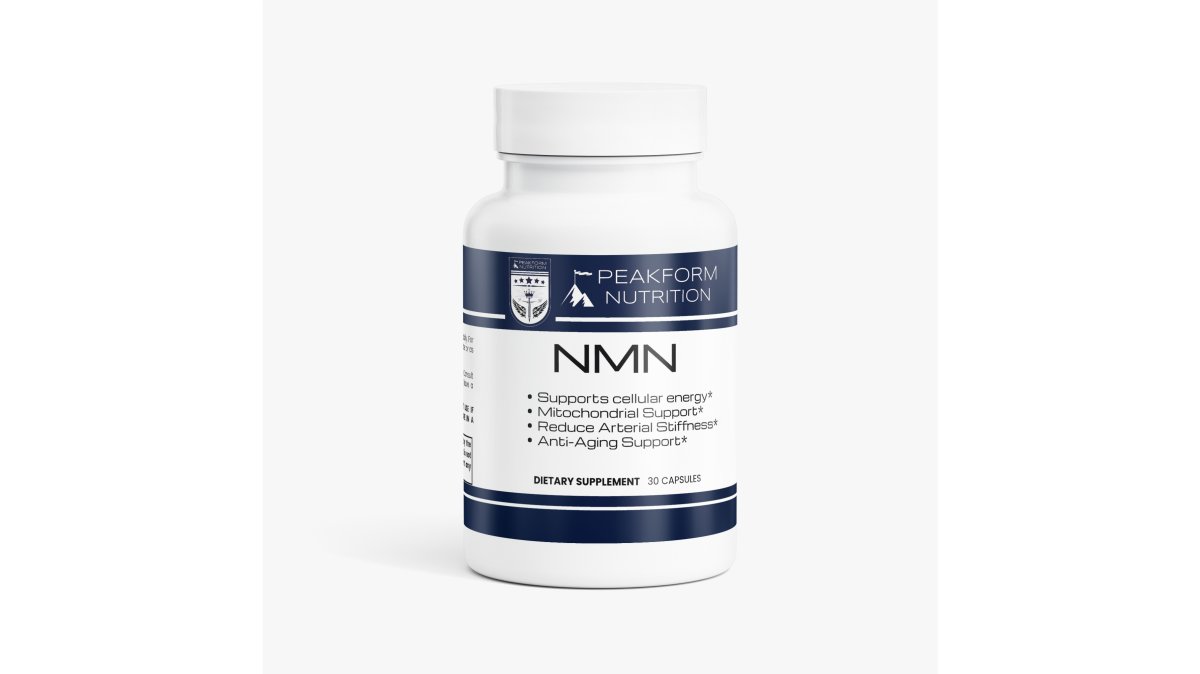
Supporting brain health after 50 is not about one miracle habit, it is about stacking small, consistent choices across diet, sleep, movement, and connection. Peakform Nutrition makes that easier with clean, targeted formulas like the NMN capsule for cellular energy and the Multivitamin Gummies for daily cognitive and cardiovascular support, all built around a personalized approach to your goals. Get started with Peakform Nutrition and give your brain the daily foundation it deserves.