

Table of Contents
- Why Heavy Meals Cause Bloating and Abdominal Distension
- Step 1: Eat Slowly and Chew Thoroughly
- Step 2: Take a Gentle Walk or Light Physical Activity
- Step 3: Stay Hydrated with Water, Not Carbonated Drinks
- How Long Does Bloating Last After Eating
- Foods That Cause Bloating and Gas
- How to Get Rid of Bloating Fast: Immediate Relief Methods
- When to See a Doctor for Bloating
- Frequently Asked Questions
Last Updated: October 10, 2026
Why Heavy Meals Cause Bloating and Abdominal Distension
Understanding how to reduce bloating after heavy meals starts with knowing why your stomach feels uncomfortably full. When you eat a large meal, your digestive system works harder to break down more food at once, triggering physical responses that lead to bloating and abdominal distension.
Your stomach expands to accommodate the extra food, while your body produces gas during digestion and you swallow air while eating. This gas buildup creates that tight, uncomfortable feeling.
Heavy meals slow digestion, allowing gas to accumulate instead of moving through your system smoothly, causing bloating that can last for hours.
Foods high in fiber, carbonated drinks, and artificial sweeteners increase gas production, making abdominal distension more likely with large portions.
Step 1: Eat Slowly and Chew Thoroughly
The simplest way to reduce bloating after heavy meals is to eat slowly and chew thoroughly. Rushing causes you to swallow larger, harder-to-digest pieces and more air, which increases gas and bloating.
Chewing thoroughly breaks food into smaller pieces and gives your brain time to register fullness (about 20 minutes after starting), so you naturally eat less.
Aim to chew each bite 20-30 times. Put your fork down between bites and take sips of water to slow down naturally.
Step 2: Take a Gentle Walk or Light Physical Activity
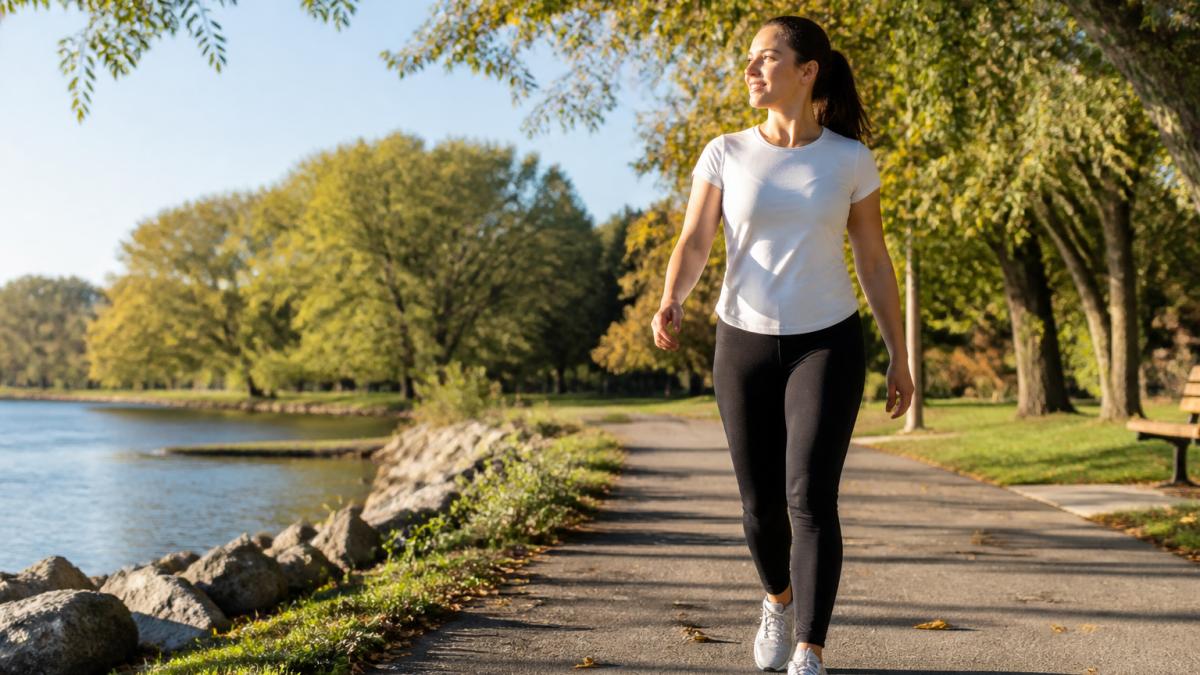
After a heavy meal, light physical activity helps move food through your digestive system faster. Walking increases blood flow to your stomach and intestines, speeding digestion and preventing gas accumulation.
Aim for a 10-minute walk at a comfortable pace within 15-30 minutes after finishing your meal. Intense activity can worsen bloating by diverting blood from digestion.
Other light activities work: gentle yoga, slow swimming, leisurely cycling, or light housework. Avoid lying down immediately after eating, as this allows gas to pool. Stay upright and moving for at least 30 minutes.
Step 3: Stay Hydrated with Water, Not Carbonated Drinks
Water aids digestion, helps move food through your intestines, and prevents constipation that can trap gas. Drink water throughout your meal and after.
Carbonated beverages introduce extra gas directly into your stomach. Avoid them for at least 2-3 hours after eating a heavy meal; choose still water, herbal tea, or plain milk instead.
Sip water slowly rather than gulping large amounts, which can stretch your stomach and increase bloating. Warm water or herbal tea may relax digestive muscles better than cold water.
How Long Does Bloating Last After Eating
Bloating after a heavy meal typically lasts 30 minutes to 2 hours, though timeline varies by meal composition, portion size, and digestion speed.
Timeline by Meal Type
Light meals (500-700 calories, low fat) cause mild bloating resolving within 30-45 minutes. Heavy meals (1,000-1,500 calories) create moderate bloating peaking at 30-60 minutes and subsiding by 90-120 minutes. High-fat meals extend this to 3-4 hours. Meals high in fiber, carbonated beverages, or foods you're sensitive to can extend bloating to 2-4 hours.
What Happens Hour by Hour
| Time After Eating | Physical Process | Typical Bloating Level | What You Feel |
|---|---|---|---|
| 0-15 minutes | Stomach stretches, food arrives, initial gas production | Mild to moderate | Fullness, tightness |
| 15-45 minutes | Peak digestion, maximum gas from fermentation | Moderate to severe | Maximum discomfort, heaviness |
| 45-90 minutes | Food moves to small intestine, gas disperses | Moderate | Gradual easing |
| 90-120 minutes | Most food cleared from stomach | Mild | Mostly resolved |
| 2+ hours | Digestion in small intestine, gas absorption | Resolved | Normal |
How Relief Strategies Affect Timeline
Eating slowly and chewing thoroughly can cut 15-30 minutes off bloating time. A 10-minute walk within 30 minutes of finishing your meal can reduce bloating by 30-60 minutes. Peppermint tea may provide relief within 15-20 minutes. Combining these strategies produces faster relief than any single method.
When Bloating Duration Signals a Problem
Bloating lasting longer than 3 hours after a normal meal, or occurring regularly with small meals, warrants investigation. If accompanied by pain, cramping, diarrhea, constipation, or visible abdominal swelling lasting over 4 hours, contact your healthcare provider. Keep a food log noting meals, bloating onset, severity (1-10), and duration to identify patterns and triggers.
Foods That Cause Bloating and Gas
High-fiber foods like beans, lentils, whole grains, and vegetables ferment during digestion, producing gas and bloating.
Cruciferous vegetables (broccoli, cauliflower, Brussels sprouts, cabbage) create gas; cooking reduces bloating. Dairy products cause bloating in many people, especially those lactose intolerant. Sugar alcohols (sorbitol, xylitol) and artificial sweeteners ferment in your gut. High-fat foods slow digestion and allow gas to accumulate. Chewing gum introduces extra air into your digestive system.
Common bloating triggers:
- Beans and legumes
- Cruciferous vegetables (raw)
- Whole grains and bran
- Dairy products
- Fried and fatty foods
- Artificial sweeteners
- Carbonated beverages
- Chewing gum
How to Get Rid of Bloating Fast: Immediate Relief Methods
Several methods can speed bloating relief, though effectiveness varies and some carry cautions.
Evidence-Backed Remedies
Peppermint tea has the strongest evidence for bloating relief. Menthol, the active compound in peppermint, relaxes the smooth muscle in your digestive tract, helping gas move through more easily. Drink a cup 20-30 minutes after eating; many people notice relief within 15-20 minutes.
Ginger tea is well-tolerated and supports digestion by stimulating stomach contractions and reducing inflammation. Fresh ginger steeped in hot water (about 1 teaspoon per cup, steeped 5-10 minutes) is more potent than powdered ginger. Effects typically appear within 20-30 minutes.
Gentle walking remains one of the fastest and most reliable ways to reduce bloating. Movement stimulates your digestive muscles and increases blood flow to your stomach and intestines, speeding food transit. A 10-minute walk at a comfortable pace, started within 15-30 minutes of finishing your meal, often produces noticeable relief within 10-15 minutes.
Chamomile tea calms your digestive system and reduces cramping, though its direct effect on gas is modest. It's most useful for comfort and relaxation rather than rapid bloating reduction. Safe for most people; avoid if you're allergic to ragweed or chrysanthemums.
Warm water or herbal tea (without carbonation) aids digestion more effectively than cold water. Warmth relaxes your digestive muscles. Sip slowly rather than gulping; large quantities consumed quickly can stretch your stomach further.
Moderate-Evidence Remedies
Abdominal massage using gentle circular motions (clockwise, following the path of your colon) may help move gas through your intestines. Spend 2-3 minutes massaging your belly. Results are variable; some people find it soothing, others notice little difference. It's safe and costs nothing, so it's worth trying.
A heating pad on your stomach (10-15 minutes at a time) provides comfort and may help relax cramped muscles through warmth. This is palliative rather than curative, it eases discomfort without speeding digestion, but it's safe and often feels good.
What NOT to Do (and Why)
Don't lie down flat. Lying down allows gas to pool in your stomach and can increase discomfort. Stay upright for at least 30-45 minutes after a heavy meal. If you must rest, recline at a 45-degree angle with pillows supporting your back.
Don't exercise vigorously. Intense activity diverts blood away from your digestive organs and toward your muscles, slowing digestion and potentially worsening bloating. Wait at least 2-3 hours after a heavy meal before intense exercise.
Don't take laxatives or stool softeners unless constipation is confirmed. If bloating is from gas, not constipation, laxatives won't help and may cause cramping or dehydration. Use them only if you're actually constipated.
Don't drink more carbonated beverages. This directly adds gas to your stomach and is counterproductive. Avoid soda, beer, sparkling water, and flavored seltzers for at least 2-3 hours after eating.
Don't wear tight clothing. Tight waistbands, belts, and snug pants restrict your stomach and can increase discomfort. Wear loose, comfortable clothing while bloating is present.
Don't take digestive enzyme supplements unless you have a diagnosed deficiency. Over-the-counter enzyme products (like those containing amylase or lipase) lack strong evidence for bloating relief in people with normal digestion. They're unnecessary for most people and add cost without benefit.
Combining Methods for Faster Relief
The fastest relief typically comes from combining strategies. Take a 10-minute walk while sipping peppermint tea, then apply a heating pad while sitting upright. This multi-pronged approach addresses gas movement, muscle relaxation, and comfort simultaneously and often produces noticeable relief within 20-30 minutes.
When Immediate Relief Methods Aren't Working
If bloating persists despite these efforts for more than 3-4 hours, or if it's accompanied by severe pain, persistent vomiting, or inability to pass gas or stool, seek medical attention. These signs suggest something beyond simple overeating, possibly a food intolerance, constipation, or a digestive condition requiring professional evaluation.
When to See a Doctor for Bloating
Most bloating after a heavy meal is normal and resolves on its own. However, certain situations warrant medical attention.
See a doctor if bloating is severe and happens regularly, even with normal meals. Persistent bloating could indicate food intolerance, irritable bowel syndrome, or other digestive conditions.
Bloating accompanied by other symptoms needs evaluation. If you experience pain, persistent constipation, diarrhea, weight loss, or blood in your stool, schedule an appointment. These signs suggest something beyond simple overeating.
Bloating that lasts more than 4 hours after a normal meal is unusual. If this happens repeatedly, your doctor should investigate.
Sudden onset of severe bloating when you previously had no problems could indicate a new food intolerance or digestive issue. Don't ignore a significant change in your body.
If bloating prevents you from eating normally or affects your quality of life, professional help is warranted. Your doctor can run tests to identify underlying causes.
Keep a food diary before your appointment. Note what you eat, portion sizes, and when bloating occurs. This information helps your doctor identify patterns and potential triggers.
Red flags that require immediate medical attention:
- Severe abdominal pain
- Vomiting
- Inability to pass gas or stool
- Abdominal swelling that doesn't improve
- Fever accompanying bloating
Reducing bloating after heavy meals comes down to three core habits: eating slowly, moving gently afterward, and staying hydrated with water.
Frequently Asked Questions
How long does bloating last after eating a heavy meal?
Bloating from a heavy meal typically subsides within 30 minutes to 2 hours as your digestive system processes the food. The timeline depends on meal size, composition, and your individual digestion speed. If you experience abdominal distension that lasts beyond 3-4 hours or worsens, monitor your symptoms. Gentle movement, hydration, and avoiding additional gas-producing foods can speed relief. If bloating persists regularly after meals, consult your healthcare provider to rule out underlying digestive issues.
What's the fastest way to get rid of bloating after overeating?
The fastest relief combines three actions: take a 10-minute walk to stimulate digestion, drink warm water (not carbonated), and apply a heating pad to your abdomen for 10-15 minutes to ease cramping. Avoid eating more food or consuming carbonated drinks, chewing gum, or high-fiber foods immediately after. Peppermint tea or ginger can help some people. These steps work best when combined rather than used alone. If discomfort intensifies or includes severe pain, stop and seek medical attention.
How do I know if my bloating is a sign of something serious?
Temporary bloating after heavy meals is normal and resolves with the steps outlined above. Seek medical attention if you experience severe abdominal pain, persistent bloating that doesn't improve after 4+ hours, unexplained weight gain, changes in bowel habits, or bloating accompanied by fever, vomiting, or blood in stool. These symptoms may indicate food intolerance, constipation, or other digestive conditions requiring professional evaluation. Keep a food diary to identify patterns and share with your doctor if bloating becomes frequent.
Can I prevent bloating before it starts after eating a large meal?
Yes. Eat slowly and chew thoroughly, aiming for at least 20-30 chews per bite to reduce swallowed air and ease digestion. Choose smaller, frequent meals instead of one large meal when possible. Avoid carbonated drinks, beer, and chewing gum before and during eating. Limit high-fiber foods if you're not accustomed to them. Stay hydrated with plain water throughout the day. These preventive steps reduce gas formation and abdominal distension significantly. Combining prevention with post-meal movement maximizes comfort.