

Table of Contents
- What 'Clean' Actually Means on a Protein Powder Label
- Protein Powder Ingredients to Avoid for Sensitive Stomachs
- Is Whey Isolate Easier to Digest Than Concentrate?
- Plant-Based vs. Whey Protein: Which Is Gentler on the Gut?
- Digestive Enzymes in Protein Powder: Do They Actually Help?
- How Processing Methods Affect Gut Tolerance
- The Bloating Test: A Step-by-Step Protocol for Finding Your Fit
- How to Verify Clean Protein Powder Quality Before You Buy
Last Updated: August 11, 2026
What 'Clean' Actually Means on a Protein Powder Label
Knowing how to choose clean protein powder for sensitive stomachs starts with understanding what "clean" actually means, because the label often lies by omission. We've seen firsthand how vague marketing language confuses athletes and health-conscious buyers who genuinely need to know what they're putting in their bodies.
Clean protein powder is a supplement that contains a short, recognizable ingredient list with no unnecessary additives, artificial sweeteners, synthetic fillers, or undisclosed proprietary blends. The protein source itself is high-quality, third-party tested, and processed in a way that preserves bioavailability without introducing digestive irritants.
Here's where it gets interesting: "natural," "clean," and "pure" are not regulated terms under FDA labeling rules. Any brand can print them on a tub without meeting a specific standard. What actually matters is reading the full ingredient list, not the front-panel marketing copy.
A genuinely clean label typically shows:
- A single or minimal protein source (e.g., whey isolate, pea protein, egg white)
- No artificial colors, flavors, or preservatives
- Sweeteners limited to stevia or monk fruit, if used at all
- No proprietary blends that obscure individual ingredient doses
- Third-party certification from organizations like NSF International or Informed Sport
According to NSF International's dietary supplement certification program, third-party testing verifies that a product contains what it claims and is free from contaminants, a baseline guarantee that "clean" marketing alone cannot provide.
The practical test: if you can't identify every item on the ingredient list, the product is not clean by any meaningful definition.
Protein Powder Ingredients to Avoid for Sensitive Stomachs
Most guides stop at "avoid artificial sweeteners." That's useful advice, but it misses half the picture. Digestive distress from protein powder usually comes from a cluster of ingredients working together, not one single offender.
Artificial Sweeteners and Sugar Alcohols
Artificial sweeteners and sugar alcohols are among the most common protein powder ingredients to avoid for anyone with a sensitive stomach. Sucralose and acesulfame potassium alter gut microbiome composition with regular use, according to National Institutes of Health research on non-nutritive sweeteners and gut health. Sugar alcohols, erythritol, xylitol, sorbitol, and maltitol, are poorly absorbed in the small intestine. The unabsorbed portion ferments in the large intestine, producing gas and triggering bloating in many people.
Erythritol is often marketed as the gentlest sugar alcohol because it absorbs more readily than others. In practice, high doses still cause gastrointestinal symptoms in sensitive individuals. If a protein powder contains multiple sugar alcohols, the cumulative effect is worse than any single ingredient alone.
Stevia and monk fruit are better-tolerated alternatives. They don't ferment in the gut and don't carry the same osmotic load as sugar alcohols.
Gums, Thickeners, and Other Fillers
Xanthan gum and guar gum are widely used to improve texture and prevent clumping. They're derived from fermented sources and classified as soluble fibers. For most people, small amounts are fine. For people with sensitive stomachs or irritable bowel syndrome, these gums accelerate gut motility and cause bloating, cramping, and loose stools.
Carrageenan, extracted from red seaweed, is a thickener linked to intestinal inflammation in some research. It's less common in protein powders than in dairy products, but it appears in certain ready-to-drink formulations.
Other fillers to watch: maltodextrin (a fast-digesting starch that spikes blood sugar and feeds gut bacteria in ways that may worsen dysbiosis) and inulin or chicory root fiber (prebiotic fibers that cause significant gas in sensitive guts despite being technically beneficial for the microbiome).
Histamine Intolerance and Protein Sources
This is the angle most guides miss entirely. Histamine intolerance is a real and underdiagnosed condition where the body struggles to break down histamine from food. Certain protein sources are naturally high in histamine or trigger histamine release, and for people with this sensitivity, the result is not just bloating but headaches, skin flushing, and nasal congestion after drinking a shake.
Whey protein concentrate and casein are fermented or aged dairy products, which means histamine levels are elevated compared to fresh dairy. Hydrolyzed proteins, whether whey or plant-based, undergo enzymatic breakdown that can also increase histamine content. Egg white protein is generally lower in histamine. Pea protein and rice protein are among the lowest-histamine options available.
If you've tried multiple protein powders and consistently feel worse after drinking them despite avoiding the obvious irritants, histamine intolerance is worth investigating with a healthcare provider.
Is Whey Isolate Easier to Digest Than Concentrate?
Whey isolate is significantly easier to digest than whey concentrate for most people, particularly those with lactose intolerance. This distinction matters more than most buyers realize.
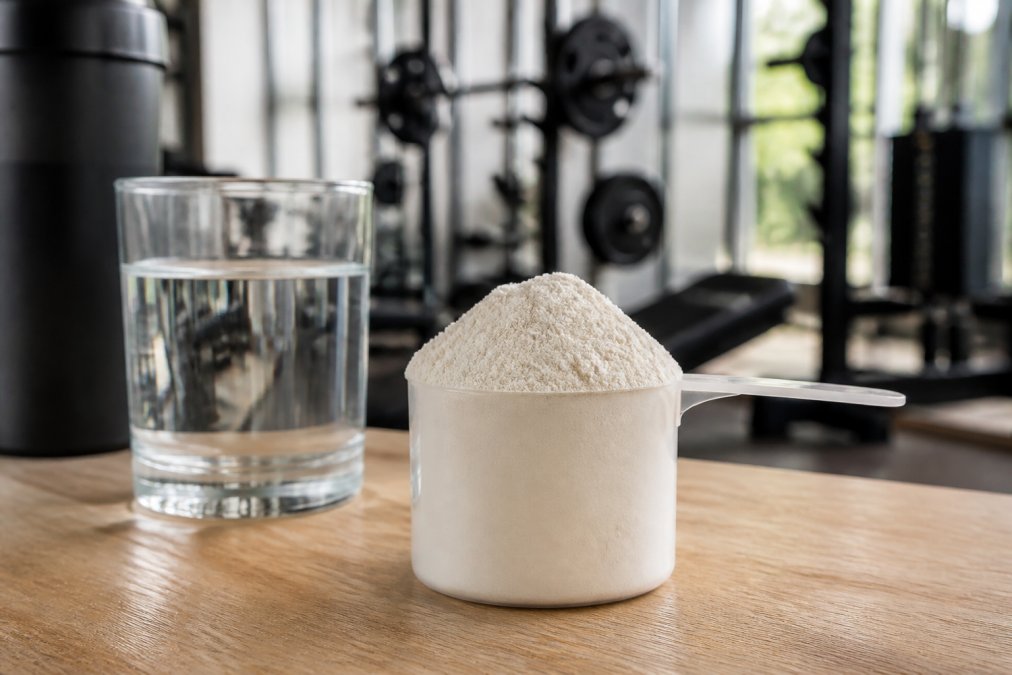
Whey concentrate retains more of the original milk components, including lactose (typically 4-8% by weight) and fat. Whey protein isolate undergoes additional micro-filtration or ion-exchange processing that removes most of the lactose, bringing it below 1%. For the large portion of adults who produce insufficient lactase, that difference is the gap between comfortable digestion and an afternoon of gas and cramping.
Hydrolyzed whey protein goes one step further: the protein chains are pre-broken into shorter peptides, reducing the digestive workload even more. This is the form most commonly used in medical nutrition and post-surgical recovery for that reason. The trade-off is taste, hydrolyzed whey is noticeably more bitter than isolate.
A common mistake is buying concentrate-based proteins because they're less expensive, then blaming protein powder in general when symptoms appear. The issue isn't whey, it's the lactose load in the concentrate form.
| Whey Type | Lactose Content | Processing Level | Best For |
|---|---|---|---|
| Whey Concentrate | 4-8% | Minimal | Lactose-tolerant users |
| Whey Isolate | <1% | Micro-filtration | Mild lactose sensitivity |
| Hydrolyzed Whey | <1% | Enzymatic hydrolysis | Severe sensitivity, fast absorption |
Plant-Based vs. Whey Protein: Which Is Gentler on the Gut?
The honest answer: it depends on what's causing your digestive distress in the first place, and the protein source itself is only one variable in a more complicated equation that includes processing method, fermentability, and what the manufacturer adds around the protein to make it taste and mix well.
The Digestibility Mechanics of Whey vs. Plant Protein
Whey protein, when processed correctly, has a PDCAAS (Protein Digestibility-Corrected Amino Acid Score) of 1.0, the maximum possible, meaning the body can absorb and use virtually all of it. That score, however, is measured under ideal conditions. For people with lactose sensitivity, the residual lactose in whey concentrate creates an osmotic effect in the large intestine: undigested lactose draws water into the colon and ferments rapidly, producing hydrogen and methane gas. The result is bloating, cramping, and urgency that has nothing to do with the protein itself and everything to do with the processing level of the form you chose.
Whey isolate and hydrolyzed whey largely sidestep this because micro-filtration and enzymatic hydrolysis strip out most of the lactose before the product reaches you. If your symptoms disappear when you switch from concentrate to isolate, lactose was the culprit, not whey as a category.
Plant proteins introduce a different set of digestibility variables. Pea protein and brown rice protein are the most gut-friendly plant sources for most people. Neither contains lactose, and both carry a low histamine burden, an important consideration covered in the ingredients section above. A blended pea-and-rice formula compensates for the amino acid gaps each source has individually: pea protein is low in methionine, rice protein is low in lysine, and together they approximate a complete amino acid profile closer to whey.
The digestibility limitation of plant proteins isn't the protein itself, it's the plant cell wall matrix. Phytic acid in rice and legume proteins binds to minerals and can irritate the gut lining in people with existing intestinal sensitivity. Some manufacturers address this with phytase enzyme additions; most don't. If you're using a plant-based protein and experiencing mineral absorption issues or persistent low-grade gut discomfort, phytic acid is a plausible mechanism worth discussing with a registered dietitian.
Microbiome-Friendly Additives: What to Look For, Not Just What to Remove
Most guides in this space focus entirely on what to strip out of a protein powder. That framing misses a genuine opportunity: some additives are not just neutral, they actively support the gut environment that makes protein digestion easier over time.
The distinction that matters is between fermentable fibers that cause acute gas in sensitive guts (inulin, chicory root, high-dose FOS) and prebiotic fibers that feed beneficial bacteria without the same fermentation speed and gas production. Partially hydrolyzed guar gum (PHGG) is one example worth knowing. Unlike standard guar gum, which accelerates gut motility and causes cramping in sensitive individuals, PHGG is enzymatically pre-digested to a shorter chain length. Research on PHGG suggests it feeds Bifidobacterium species selectively without the rapid fermentation that produces symptomatic gas. A small number of protein powders now include PHGG specifically for this reason.
Acacia fiber (also called acacia gum or gum arabic) is another low-fermentation prebiotic that has a gentler gas profile than inulin at equivalent doses. It dissolves completely in water, doesn't affect texture noticeably, and has been studied for its tolerability in people with irritable bowel syndrome.
The practical takeaway: if you see inulin or chicory root fiber in a protein powder's ingredient list and you have a sensitive gut, that product is likely to cause gas regardless of how clean the rest of the label looks. If you see PHGG or acacia fiber instead, those are meaningfully different ingredients with a better tolerability profile for most sensitive users, not just marketing substitutions.
Soy Protein: The Complete Picture
Soy protein isolate is a complete protein with bioavailability comparable to whey, and it's been used in clinical nutrition for decades. The concerns most commonly cited, phytoestrogens affecting hormone levels, are frequently overstated in consumer content. The isoflavones in soy protein isolate are present at much lower concentrations than in whole soy foods, and the clinical evidence for meaningful hormonal disruption at typical supplement doses in healthy adults is not strong.
The more relevant concern for sensitive stomachs is that soy is one of the eight major food allergens recognized by the FDA under the Food Allergen Labeling and Consumer Protection Act. For people with a true soy allergy or IgE-mediated sensitivity, soy protein isolate will trigger an immune response regardless of how clean the rest of the label is. This is distinct from soy intolerance, which is less severe but can still produce bloating and GI discomfort.
For people without soy allergy or thyroid conditions requiring iodine management, soy protein isolate is a legitimate gut-friendly option, particularly because it's typically lower in gums and thickeners than pea or rice blends, since it naturally disperses better in liquid.
The Additive Problem Is Protein-Source Agnostic
The most important thing to understand about plant-based vs. whey for sensitive stomachs is that the protein source category matters less than the additive profile surrounding it. A whey isolate with xanthan gum, inulin, and sucralose will cause more digestive distress in a sensitive individual than a pea-rice blend with no additives beyond stevia.
The practical guidance: start with a whey isolate if you tolerate dairy, or a clean pea-rice blend if you're dairy-free. In both cases, prioritize products with the shortest ingredient lists, and treat any added fiber, even the ones marketed as beneficial, as a variable to test deliberately rather than assume is safe.
Digestive Enzymes in Protein Powder: Do They Actually Help?
Digestive enzymes in protein powder are a genuine functional addition, not just a marketing feature, when they're present at clinically relevant doses and matched to the specific protein source in the formula. The problem is that most products use enzyme blends as label decoration rather than as functional ingredients, and the difference between a dose that works and one that doesn't is rarely explained anywhere on the packaging.
How Protein Digestion Actually Works (And Where It Breaks Down)
Protein digestion begins in the stomach, where hydrochloric acid denatures protein structures and activates pepsin, the stomach's primary protein-cleaving enzyme. The partially digested protein then moves into the small intestine, where the pancreas releases proteases, primarily trypsin, chymotrypsin, and elastase, to break protein chains into shorter peptides and individual amino acids for absorption.
For most healthy adults, this system handles dietary protein efficiently. For people with sensitive stomachs, the breakdown can fail at several points: insufficient stomach acid (common in people who use proton pump inhibitors or H2 blockers), reduced pancreatic enzyme output, or compromised brush border enzymes in the small intestine that handle the final step of peptide absorption. Each failure point produces a different symptom pattern, and each requires a different enzyme solution.
This is why a generic "enzyme blend" on a protein powder label is less useful than it appears. The relevant question is whether the specific enzymes present address your specific digestive limitation.
Which Enzymes Matter for Which Protein Sources
Protease (measured in HUT, Hemoglobin Unit on Tyrosine basis): The foundational enzyme for protein digestion. Protease blends in supplements typically include a mix of protease strains active at different pH levels, which matters because the gut environment shifts from acidic (stomach) to neutral (small intestine) as food moves through. A protease blend with activity across a pH range of 3.0 to 7.0 provides more complete coverage than a single-strain protease active only at one pH. Most practitioners consider a minimum of 50,000 HUT per serving a functional threshold for meaningful protein digestion support, though individual needs vary.
Lactase (measured in ALU, Acid Lactase Units): Specifically relevant for whey concentrate and any dairy-derived protein. Lactase breaks down lactose into glucose and galactose before it reaches the large intestine, preventing the fermentation and osmotic effects that cause bloating and cramping. A dose of at least 1,000 ALU per serving is the commonly cited minimum for meaningful symptom reduction in mildly lactose-sensitive individuals. People with more significant lactose intolerance may need higher doses or should simply choose whey isolate, where lactose has already been removed by processing.
Phytase and Cellulase: Relevant specifically for plant-based protein powders. Phytase breaks down phytic acid, the antinutrient in legume and grain proteins that binds minerals and can irritate the gut lining. Cellulase targets plant cell wall components that the human digestive system cannot break down independently. Neither enzyme is commonly included in plant protein formulas at meaningful doses, which is a genuine gap in most plant-based products. When you do find them, look for phytase activity disclosed in FTU (Phytase Units) rather than just milligrams of enzyme weight.
Bromelain and Papain: Plant-derived proteases from pineapple and papaya, respectively. These appear frequently in enzyme blends because they're inexpensive and recognizable. They're active primarily in the stomach's acidic environment and provide supplemental protein-cleaving activity before pancreatic enzymes take over. They're useful additions but not substitutes for a full protease blend with broad pH coverage.
The Dose Problem: Why Most Labels Are Misleading
Enzyme activity is measured in functional units, HUT, ALU, FTU, FCCFIP, not in milligrams. A product listing "protease 50 mg" tells you almost nothing about whether that dose will have any effect, because enzyme potency varies enormously by strain, processing method, and storage conditions. Two products could both list "protease 50 mg" with activity levels that differ by a factor of ten.
The Food Chemicals Codex (FCC) sets standardized activity measurement methods for food-grade enzymes, and reputable enzyme suppliers provide activity data in FCC units. When a protein powder discloses enzyme activity in FCC units rather than just weight, that's a meaningful signal that the manufacturer understands what they're formulating, and is willing to be held accountable to a measurable standard.
If a product lists enzymes only in milligrams with no activity disclosure, the dose is almost certainly present for label appeal rather than function. This is especially common in products that list five or more enzymes in a blend totaling less than 100 mg, the individual doses at that total weight are unlikely to reach functional thresholds for any single enzyme.
How Processing Method Interacts With Enzyme Efficacy
This is the angle almost no guide covers: the processing method used to make the protein powder directly affects how much work digestive enzymes need to do, and whether added enzymes can even function properly.
Cold-processed or micro-filtered whey preserves the native protein structure, including immunoglobulins and lactoferrin. These intact protein fractions are more bioavailable but also require more complete protease activity to break down fully. A cold-processed whey isolate with a well-dosed protease blend is a genuinely synergistic combination.
Hydrolyzed whey protein, by contrast, has already been enzymatically pre-digested into shorter peptides before it reaches you. The digestive workload is substantially reduced, which means added proteases in a hydrolyzed formula are largely redundant, the protein is already in a form the gut can absorb with minimal enzymatic effort. The more meaningful addition to a hydrolyzed whey formula would be lactase (if any lactose remains) or a gut-lining support ingredient, not more protease.
High-heat processed proteins present a different problem. Heat processing can denature proteins into configurations that are harder for standard proteases to cleave efficiently. Advanced glycation end products (AGEs) formed during high-heat processing are not addressed by typical enzyme blends at all, they require the gut's own immune and metabolic processes to handle, and in sensitive individuals, they contribute to low-grade intestinal inflammation that no enzyme addition will fully offset. This is one of the strongest arguments for choosing cold-processed or micro-filtered protein over heat-processed alternatives, regardless of what the enzyme panel looks like.
Fermented Protein: The Processing Approach That Changes the Equation
Fermented protein is an emerging category that takes a fundamentally different approach to digestibility. Rather than adding enzymes to a finished product, fermentation pre-digests the protein during manufacturing using beneficial microorganisms. The result is a protein with shorter peptide chains, reduced antinutrient content, and in some cases, the introduction of beneficial postbiotics, metabolic byproducts of fermentation that support gut lining integrity.
Some fermented plant proteins also retain live or heat-inactivated beneficial organisms that contribute to microbiome diversity, a meaningful advantage for people whose digestive distress stems from dysbiosis rather than a specific food sensitivity. This category is still small, but it represents a genuinely different mechanism compared to simply adding a protease blend to a standard protein base.
How Processing Methods Affect Gut Tolerance
Processing method is one of the most overlooked variables in gut tolerance, and it's almost never discussed on product pages.
Cold-processed or micro-filtered whey preserves the native protein structure, including immunoglobulins and lactoferrin. This matters because these bioactive fractions support gut lining integrity. High-heat processing denatures these fractions and can produce advanced glycation end products (AGEs) that promote low-grade inflammation in the gut.
Fermented protein is an emerging category worth attention. Fermentation pre-digests some of the protein, reducing the digestive burden and improving bioavailability. Some fermented plant proteins also introduce beneficial microorganisms that support microbiome diversity, a meaningful advantage for people whose digestive distress stems from dysbiosis rather than a specific food sensitivity.
The processing of sweeteners and flavoring systems also matters. Spray-dried flavoring compounds can include carrier agents like maltodextrin that don't appear prominently on the label. A clean label protein powder discloses all processing aids, not just the primary ingredients.
As Harvard T.H. Chan School of Public Health's nutrition source on protein notes, the quality and processing of protein sources affects more than just macronutrient content, it influences how the body responds to and absorbs what you consume.
The Bloating Test: A Step-by-Step Protocol for Finding Your Fit
Finding your fit with clean protein powder for sensitive stomachs is not guesswork, it's a structured elimination process. The bloating test protocol below gives you a repeatable method for identifying exactly what's triggering your symptoms.

Most people make the mistake of switching products randomly. They try a new powder, feel better or worse for a week, and draw conclusions from a sample size of one confounded by diet changes, stress, and sleep variability. A structured protocol eliminates those variables.
Week 1: Baseline and Single-Ingredient Testing
Start with a protein powder that has the shortest possible ingredient list, ideally just the protein source, a minimal sweetener like stevia, and nothing else. No enzyme blends, no gums, no added fiber. This is your control condition.
Use the following tracking checklist every day during Week 1:
- Time of protein shake consumption
- Protein powder brand and serving size
- Any other new foods consumed that day
- Bloating rating 30 minutes post-consumption (1-5 scale)
- Bloating rating 2 hours post-consumption (1-5 scale)
- Gas or cramping (yes/no)
- Stool consistency change (yes/no)
- Overall gut comfort rating for the day (1-5 scale)
Keep everything else in your diet consistent. Don't introduce new foods during this week. Take the shake at the same time each day, with the same amount of water.
Week 2: Tracking Symptoms and Adjusting
If Week 1 shows consistent symptoms above a 2/5 rating on bloating or discomfort, the base protein source or sweetener is likely the issue. Swap to a different protein type, if you tested whey isolate, move to a pea-rice blend, or vice versa.
If Week 1 shows minimal symptoms, introduce one new variable in Week 2: a product with digestive enzymes, or one with a small amount of xanthan gum. Track the same metrics. If symptoms increase, you've identified a specific trigger.
The protocol logic is simple: isolate one variable at a time, track consistently, and don't change multiple things simultaneously. Most people who follow this process identify their specific trigger within two to three weeks.
How to Verify Clean Protein Powder Quality Before You Buy
The final step in choosing clean protein powder for sensitive stomachs is verification, confirming that what's on the label is actually in the tub, and nothing more.
Third-party certification is the most reliable signal. Look for seals from NSF Certified for Sport, Informed Sport, or USP Verified. These organizations test finished products for label accuracy, banned substances, and contaminants. A brand that invests in third-party testing has made a verifiable commitment to transparency that marketing language alone cannot replicate.
Check the Certificate of Analysis (COA). Reputable brands make batch-specific COAs available on request or directly on their website. A COA shows the actual tested levels of protein, heavy metals, and microbial contaminants for that specific production run. If a brand can't or won't provide a COA, that's a significant red flag.
Evaluate the serving size math. Divide the total protein grams per serving by the total serving weight in grams. If the ratio is significantly below 70-80% for an isolate, the product is padded with fillers that aren't contributing to your protein intake.
Finally, research the manufacturer's facility. Products made in facilities that follow Current Good Manufacturing Practices (cGMP) as defined by the FDA's dietary supplement regulations and cGMP requirements meet a minimum standard for quality control, ingredient verification, and contamination prevention.
At Peakform Nutrition, our commitment to clean, effective ingredients means we apply this same verification standard to every product we develop, because athletes and health-conscious individuals deserve to know exactly what they're consuming, not just what a label claims.
| Verification Step | What to Look For | Red Flag |
|---|---|---|
| Third-party certification | NSF, Informed Sport, USP seal | No certification listed |
| Certificate of Analysis | Batch-specific test results | Unavailable or outdated COA |
| Serving size math | 70-80%+ protein by weight | Low ratio with long ingredient list |
| Manufacturing standard | cGMP-certified facility | No facility information provided |
| Ingredient list length | Short, recognizable ingredients | Proprietary blends, 15+ ingredients |
Choosing the right protein powder when your stomach is sensitive feels overwhelming, especially after being burned by products that promised clean ingredients and delivered bloating and discomfort instead. Peakform Nutrition's approach to supplementation is built around clean, verifiable ingredients and a tailor-made philosophy that respects your individual needs. Whether you're managing lactose sensitivity, histamine intolerance, or simply want a protein powder that doesn't derail your day, the framework in this guide gives you a clear path forward. Shop Peakform Nutrition and find a supplement that actually works with your body, not against it.
Frequently Asked Questions
What is the easiest protein powder to digest for a sensitive stomach?
Hydrolyzed whey protein and whey isolate are generally the easiest animal-based options because they contain little to no lactose and are broken into smaller peptides before you consume them. For those who are dairy-free, fermented plant-based proteins such as pea or rice protein tend to be well tolerated. The key is choosing a clean label product that skips sugar alcohols, gums, and artificial sweeteners, all of which are common triggers for gastrointestinal symptoms.
What ingredients should I avoid in protein powder if I have a sensitive stomach?
The main protein powder ingredients to avoid include sucralose and other artificial sweeteners, sugar alcohols like erythritol, xanthan gum, guar gum, and soy protein concentrate. Some people also react to high-lactose whey concentrate, carrageenan, and heavily processed fillers. If you have histamine intolerance, aged or fermented protein sources can also trigger symptoms. Reading the full ingredient list rather than relying on front-of-label claims is the most reliable way to screen out these irritants.
Is whey or plant-based protein better for sensitive stomachs?
Neither is universally better. Whey isolate works well for people who tolerate dairy but struggle with lactose, since the filtration process removes most of it. Plant-based protein suits those with dairy intolerance or dairy allergies, but some plant proteins contain fiber and compounds that cause gas in certain individuals. The best approach is to test one clean protein powder at a time and track your gut response over one to two weeks before drawing conclusions.
Can artificial sweeteners cause digestive issues in protein supplements?
Yes. Sugar alcohols like erythritol are known to cause bloating, gas, and loose stools in sensitive individuals because they are not fully absorbed in the small intestine and ferment in the colon. Sucralose has been shown in some studies to alter gut microbiome composition. If you experience digestive distress after taking a protein powder, checking for these sweeteners on the label is a logical first step before switching products entirely.