

Table of Contents
- What 'Clean' Actually Means in Protein Powder
- Understanding Protein Powder Ingredient Labels Explained
- Identifying Protein Powder Fillers and Additives
- The Role of Third-Party Protein Powder Testing
- Heavy Metals in Protein Powder: What You Need to Know
- How to Choose Clean Protein Powder: Your Checklist
- Environmental and Ethical Sourcing Considerations
- Conclusion
Last Updated: August 12, 2026
What 'Clean' Actually Means in Protein Powder
The term "clean" on a protein powder label has no legal definition. The FDA doesn't regulate it, and no government agency enforces what companies can claim. At Peakform Nutrition, we define clean protein powder as a product with transparent ingredient sourcing, minimal additives, third-party testing verification, and ingredients that serve a functional purpose rather than cutting costs.
Most protein powders contain fillers, thickeners, and sweetening agents that extend shelf life or improve taste without adding nutritional value. The cleanest formulas strip these away. Understanding what "clean" means for YOUR goals is the first step, an athlete focused on muscle recovery has different priorities than someone managing weight or supporting healthy aging.
Understanding Protein Powder Ingredient Labels Explained
Protein powder ingredient labels reveal everything about quality if you know what to look for. The ingredient list appears in order by weight, so the first three to five items tell the real story.
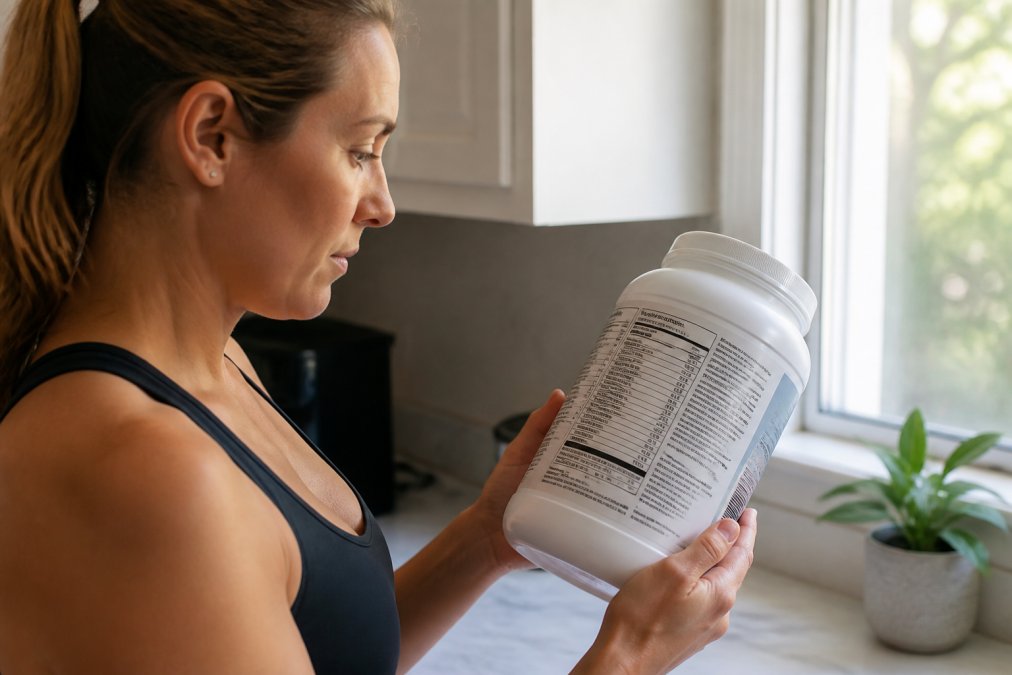
Start with the protein source itself. Whey protein concentrate, whey protein isolate, plant-based blends, and collagen peptides each have different amino acid profiles and bioavailability rates. Isolates contain less lactose than concentrates. Plant-based proteins often need multiple sources to provide a complete amino acid profile. The label should specify which type you're getting, not hide it behind vague language like "protein blend."
Protein source quality and amino acid profile
The protein source determines the amino acid profile, which directly impacts how your body uses the powder. Whey protein isolate contains all nine essential amino acids with high branched-chain amino acids (BCAAs), particularly leucine, which triggers muscle protein synthesis. Plant-based proteins vary: pea and rice together create a complete profile, but pea alone lacks methionine.
Bioavailability matters as much as amino acid count. Your body absorbs hydrolyzed proteins faster than non-hydrolyzed ones because protein chains are already partially broken down. Check whether the label specifies "hydrolyzed" or uses the term "peptides", both indicate faster absorption.
Look for the PDCAAS (Protein Digestibility-Corrected Amino Acid Score) or DIAAS (Digestible Indispensable Amino Acid Score) if available. These measure how much of the protein your body can actually use.
Added sugars and artificial sweeteners
Sugar content separates mediocre powders from genuinely clean ones. Many mainstream brands contain 3-5 grams of added sugar per serving. Check the nutrition label for "added sugars" specifically, which excludes naturally occurring sugars from milk solids in whey products.
Artificial sweeteners require careful evaluation. Sucralose, aspartame, and acesulfame potassium are FDA-approved and widely considered safe. Sugar alcohols like xylitol and erythritol have minimal impact on blood sugar but can cause digestive issues in some people. Stevia and monk fruit offer natural alternatives.
The cleanest approach: choose powders sweetened with stevia, monk fruit, or minimal sugar alcohols. If the label lists multiple sweetening agents, the manufacturer was likely struggling to mask the taste of inferior base protein.
Identifying Protein Powder Fillers and Additives
Fillers extend product volume without adding nutritional value. Dextrins and maltodextrin appear frequently, they're carbohydrates that bulk up the powder and spike blood sugar almost as fast as table sugar. If your goal is lean muscle or weight management, these undermine your results.
Common fillers to watch for
Dextrins and maltodextrin convert to glucose rapidly, causing blood sugar spikes. Inulin and other fiber additives claim digestive benefits but often cause bloating. Gums like guar gum and xanthan gum thicken the mixture but serve no nutritional purpose.
Check the total carbohydrate count on the nutrition label. If it's significantly higher than the sugar content, fillers make up the difference. Transparent brands specify exactly what those carbs are, maltodextrin, oat powder, or whatever else they've added.
Gums, thickeners, and digestive enzymes
Gums and thickeners improve texture but aren't necessary in a clean formula. Their presence signals the manufacturer prioritized mouthfeel over ingredient simplicity.
Digestive enzymes like protease, amylase, and lipase are sometimes added to improve protein digestion. However, enzyme activity depends on stability through manufacturing and storage. A high-quality protein source with minimal additives is easier to digest than a poor-quality protein masked with enzyme additions.
The Role of Third-Party Protein Powder Testing
Third-party testing is the only way to verify that a powder actually contains what the label claims. Testing confirms the protein content matches the label, checks for contaminants, and verifies that banned substances aren't present.
What certifications matter most
NSF Certified for Sport is the gold standard for athletic supplements. NSF tests for banned substances, verifies label claims, and re-tests annually. Informed Choice certification follows similar protocols and focuses heavily on contamination testing.
USP (United States Pharmacopeia) verification confirms that the product contains what's listed and is free from harmful contaminants. Batch testing from third-party labs like Eurofins or Labdoor provides transparency. Look for brands that publish test results publicly.
Organic certification from the USDA requires strict sourcing standards and regular audits. Non-GMO Project Verified confirms the ingredients aren't genetically modified. These verify sourcing practices behind the product.
How to verify testing claims
Legitimate brands publish test results on their website or provide certificates upon request. If a company claims third-party testing but won't share results, that's a red flag. Check the testing date, results older than one year are less meaningful.
Look for specific contaminant screening. Heavy metals testing should include lead, cadmium, mercury, and arsenic. Microbial testing should check for salmonella, E. coli, and other pathogens.
Heavy Metals in Protein Powder: What You Need to Know
Heavy metals, particularly lead, cadmium, mercury, and arsenic, accumulate in soil and water. Plants absorb them, animals eat the plants, and protein powders derived from plant or animal sources can contain trace amounts. While individual servings typically contain minimal quantities, daily consumption over months or years creates cumulative exposure.
The FDA sets limits for some heavy metals in food but not specifically for supplements. The cleanest manufacturers test for heavy metals and publish results showing levels well below FDA limits. Lead poses the greatest concern for long-term exposure, even small amounts consumed daily can accumulate in bones and organs.
Brands sourcing from regions with strict environmental regulations typically show lower contamination than those using cheaper international suppliers. If a company won't disclose heavy metal testing results, you have no way to assess safety beyond trusting their sourcing practices, which is insufficient for daily consumption.
How to Choose Clean Protein Powder: Your Checklist
Choosing clean protein powder becomes straightforward once you establish criteria. Use this framework to evaluate any product systematically.

Step 1: Check the ingredient list for pronounceable items
Read the first five ingredients. You should recognize most of them. Whey protein concentrate, whey protein isolate, plant-based protein blends, and collagen peptides are legitimate protein sources. Stevia, monk fruit, or minimal sugar alcohols are acceptable sweeteners.
Red flags: dextrins or maltodextrin as primary carbs, multiple artificial sweeteners, or ingredients you genuinely cannot identify after a quick search.
Step 2: Verify third-party testing and certifications
Check the brand's website for published test results. NSF Certified for Sport, Informed Choice, or USP verification appear on the label. Batch testing results should be accessible. Heavy metal testing results matter most for daily consumption.
Step 3: Assess protein source and bioavailability
Determine whether the protein source aligns with your goals. Whey isolate provides fast absorption and complete amino acids. Plant-based blends work well for vegan athletes. Collagen peptides support joint and skin health alongside muscle recovery.
Check whether the protein is hydrolyzed or intact. Hydrolyzed absorbs faster, which matters for post-workout recovery.
Step 4: Review serving size and macronutrient ratio
Compare serving sizes across brands, a powder with 30 grams of protein per 50-gram serving is more concentrated than one with 20 grams per 50-gram serving. Evaluate the macronutrient ratio against your goals. High protein, low carb, and minimal fat suits muscle building. Balanced macros work for general fitness.
| Evaluation Criteria | What to Look For | Red Flag |
|---|---|---|
| Protein source | Whey isolate, plant-based blend, collagen peptides | "Protein blend" without specifics |
| Sweetener | Stevia, monk fruit, minimal sugar alcohols | Multiple artificial sweeteners |
| Fillers | Minimal or none | Dextrins, maltodextrin high on list |
| Testing | Published third-party results | Claims testing without documentation |
| Heavy metals | Test results showing safe levels | No testing data available |
| Serving size | High protein per gram | Low protein concentration |
Environmental and Ethical Sourcing Considerations
Clean protein powder extends beyond personal health to environmental impact and ethical sourcing. Whey production requires dairy farming with significant water and land use. Plant-based proteins typically require less water than animal agriculture. The cleanest choice depends on your values.
Regenerative agriculture practices restore soil health while producing ingredients. Brands using regeneratively sourced plant proteins or dairy from regenerative farms support farming methods that improve ecosystems. Fair trade certification ensures farmers receive equitable compensation, particularly important for plant-based proteins sourced internationally.
Packaging sustainability matters for daily-use products. Recyclable containers reduce waste. Some brands offer refill programs, significantly reducing packaging waste for repeat customers.
The intersection of clean ingredients and ethical sourcing creates the most defensible choice. A powder with perfect ingredient transparency sourced through exploitative labor practices isn't truly clean. The best brands balance both.
Choosing clean protein powder requires reading labels carefully, verifying claims through third-party testing, and understanding your personal priorities. At Peakform Nutrition, our tailor-made approach to nutrition means we formulate products with ingredient transparency as the foundation. Whether you're focused on muscle recovery, weight management, or overall wellness, the framework above helps you evaluate any product and make an informed decision aligned with your goals. Shop Now to explore formulas designed for your specific needs.
Frequently Asked Questions
What does 'clean' actually mean when choosing protein powder?
Clean protein powder refers to products with minimal artificial additives, no undisclosed fillers, transparent ingredient sourcing, and third-party verification of contents. The term isn't regulated by the FDA, so it depends on ingredient transparency, third-party testing, and the absence of heavy metals or contaminants. Look for products with short, recognizable ingredient lists and certifications from independent labs.
How can I tell if a protein powder is third-party tested?
Third-party protein powder testing means an independent laboratory has verified the product's contents match the label claims. Look for certifications from NSF Certified for Sport, Informed Choice, or USP verification on the label or manufacturer's website. These organizations test for banned substances, heavy metals, and ingredient accuracy. Ask the brand directly for testing reports if certifications aren't visible.
What ingredients should I avoid in protein powder?
Avoid artificial sweeteners like aspartame and sucralose if you're sensitive, excessive sugar alcohols, undeclared fillers such as maltodextrin or dextrins, artificial colors and flavors, and products without third-party testing. Also watch for proprietary blends that hide ingredient amounts, and check for common allergens like soy lecithin if you have sensitivities. Heavy metal contamination is harder to spot without testing, so third-party certification is essential.
Are there differences between whey isolate and concentrate for clean protein?
Whey isolate undergoes additional processing to remove more lactose and fat, resulting in higher protein concentration per serving and better digestibility for some people. Whey concentrate contains more lactose and fat but retains more bioactive compounds. Both can be clean if sourced from grass-fed cattle and tested for heavy metals. Choose based on your digestibility needs and lactose tolerance, not purity alone, both can meet clean standards.