

Table of Contents
- What Clean Label Supplements Actually Mean
- How to Choose Clean Protein Powder and Other Supplements
- Ingredient Transparency and Why It Matters
- Benefits of Third-Party Supplement Testing
- Identifying Artificial Fillers in Supplements
- Cost-Benefit Analysis: Is Clean Label Worth the Price?
- Clean Label, Natural, and Organic: What's the Difference?
- Conclusion
Last Updated: August 26, 2026
What Clean Label Supplements Actually Mean
Clean label supplements are products formulated with minimal, recognizable ingredients and free from artificial additives, synthetic colors, and unnecessary fillers. The term "clean" emphasizes ingredient transparency and purity, allowing consumers to understand exactly what they're putting into their bodies. At Peakform Nutrition, we believe clean label supplements represent a fundamental shift toward products that deliver results without compromising health through hidden chemicals or questionable compounds.
The clean label movement extends beyond marketing language. It reflects a genuine commitment to formulation practices that prioritize what's actually needed for efficacy over what's cheapest to produce. A clean label supplement contains active ingredients supported by science, not padding designed to bulk up the capsule or tablet. This distinction matters significantly when you're investing in your health and athletic performance.
What separates clean label from standard supplements comes down to three core principles. First, ingredient transparency means every component is listed clearly and is identifiable to the average consumer. Second, the absence of synthetic additives eliminates artificial sweeteners, colors, and preservatives that serve no functional purpose. Third, minimally processed ingredients maintain their nutritional integrity rather than being broken down and reconstructed through excessive chemical processing.
How to Choose Clean Protein Powder and Other Supplements
Selecting clean protein powder requires examining the ingredient list with the same scrutiny you'd apply to any food purchase. The best clean protein powders use whey protein concentrate or isolate from grass-fed sources, plant-based proteins like pea or rice protein, or whole-food bases like egg white powder. Avoid products listing "proprietary blends" without ingredient breakdown, as this tactic hides the actual composition from consumers.
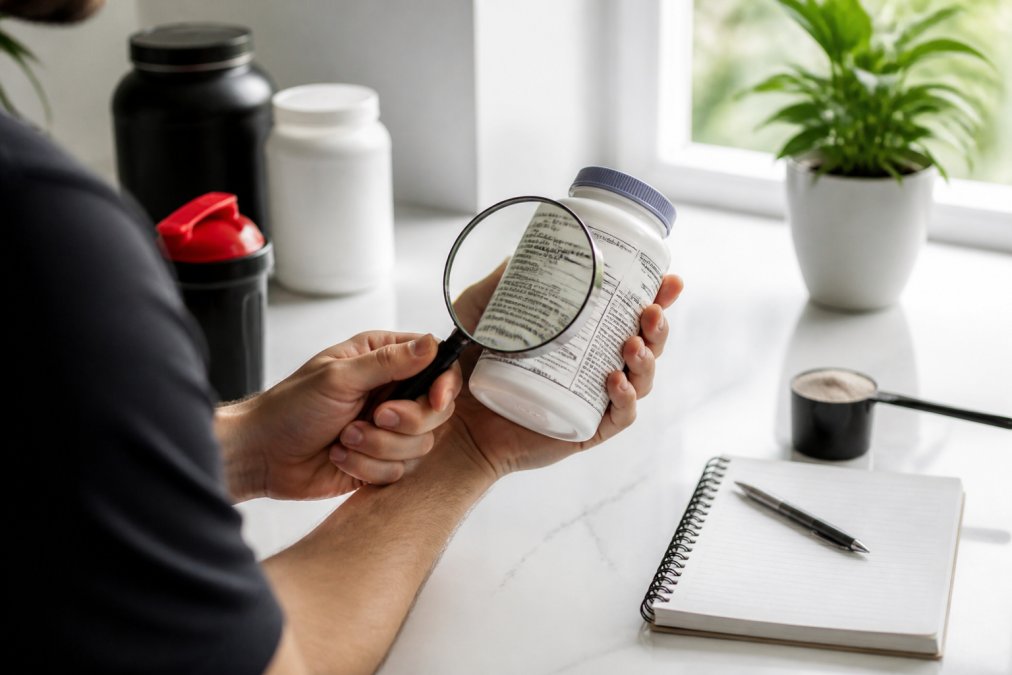
Beyond protein, evaluate the sweetening system. Clean label supplements avoid artificial sweeteners like aspartame, sucralose, and acesulfame potassium. Instead, look for stevia, monk fruit, or minimal amounts of sugar. The sweetening choice directly impacts how your body processes the supplement and whether it aligns with your health goals. Many athletes report better digestion and fewer energy crashes when switching from artificially sweetened to naturally sweetened clean protein powders.
The fillers and flow agents matter as much as the active ingredients. Magnesium stearate, silicon dioxide, and cellulose serve legitimate purposes in tablet and capsule manufacturing, but excessive amounts indicate a product prioritizing cost over quality. Clean label supplements use these sparingly, typically under 2% of total weight (the FDA). If a supplement lists more than five inert ingredients, ask yourself whether the formula is optimized for your benefit or the manufacturer's profit margin.
Consider the source of raw materials. Clean label supplements from reputable brands document their sourcing practices. Grass-fed whey, organic plant proteins, and responsibly harvested botanicals cost more but deliver superior nutritional profiles. This is where the price difference between clean label and conventional supplements becomes justified. You're paying for ingredient quality that translates directly to bioavailability and results.
Ingredient Transparency and Why It Matters
Ingredient transparency serves as the foundation of consumer trust in the supplement industry. When a brand clearly lists every component with exact amounts, you gain the ability to make informed decisions about what enters your body. This transparency becomes especially critical for athletes and active individuals whose supplements directly impact training outcomes and recovery. Without clear labeling, you're essentially guessing about what you're consuming.
The absence of transparency often signals a company prioritizing profit over product quality. Hidden ingredients, vague labeling like "proprietary blend," and refusal to disclose sourcing practices all suggest the manufacturer has something to hide. Conversely, brands committed to clean label supplements provide detailed ingredient sourcing information, manufacturing certifications, and often publish third-party testing results on their websites.
Transparency extends to label claims versus actual efficacy. A supplement claiming to boost energy by 200% without supporting evidence is misleading, regardless of ingredient quality (the FDA). Clean label brands back their claims with research and honest communication about realistic outcomes. They acknowledge that results vary based on individual factors like training intensity, nutrition, sleep, and genetic predisposition. This honesty builds credibility far more effectively than exaggerated marketing claims.
The relationship between transparency and consumer health outcomes is direct. When you understand your supplement's ingredients, you can identify potential interactions with medications, allergies, or sensitivities. You can also track which specific ingredients produce results for your body, allowing you to refine your supplement stack over time. This personalized approach to supplementation, enabled by transparency, represents the future of effective health optimization.
Benefits of Third-Party Supplement Testing
Third-party testing provides independent verification that a supplement contains what the label claims and nothing harmful. Unlike manufacturer testing, which companies conduct internally, third-party labs operate without financial incentive to deliver favorable results. This independence makes their certifications genuinely meaningful for consumers evaluating clean label supplements.
The testing process examines multiple critical factors. First, labs verify that active ingredient quantities match label claims within acceptable ranges. A supplement claiming 50 grams of protein per serving actually contains 50 grams, not 35 or 65 (the FDA). Second, testing identifies contaminants like heavy metals, pesticides, and microbial pathogens that could pose health risks. Third, labs confirm the absence of undeclared ingredients, particularly concerning for athletes subject to competition regulations around banned substances.
For athletes, third-party testing carries additional significance. Many sports organizations prohibit specific performance-enhancing compounds. A supplement manufactured in a facility also producing banned substances could result in positive drug tests, even if the supplement itself is clean. Third-party testing and certification programs specifically address this risk by verifying that products meet sport-specific standards.
Common third-party certification programs include NSF Certified for Sport, Informed-Sport, and USP Verified Mark. These certifications require manufacturers to submit to rigorous testing and facility inspections. Products bearing these seals have undergone verification that goes far beyond what the FDA requires for dietary supplements. For consumers serious about clean label supplements, these certifications represent the gold standard of product safety and integrity.
Identifying Artificial Fillers in Supplements
Artificial fillers serve no nutritional purpose and exist solely to bulk up supplements or improve manufacturing efficiency. Learning to identify them on ingredient lists protects you from wasting money on products that aren't truly clean. The most common artificial fillers include microcrystalline cellulose, maltodextrin, and various silicates used as flow agents.

Synthetic sweeteners represent another category of unnecessary additives. Aspartame, sucralose, and acesulfame potassium taste sweet but provide zero nutritional value and may trigger digestive issues in sensitive individuals. The clean label alternative uses stevia, monk fruit, or accepts the supplement tasting less sweet. This trade-off, slightly less palatability for genuine purity, defines the clean label philosophy.
Artificial colors and dyes serve purely aesthetic purposes. FD&C Yellow #5, Red #40, and Blue #1 make supplements visually appealing but add nothing to efficacy. Many consumers report that eliminating artificially colored supplements reduces headaches, digestive upset, and energy crashes. The correlation suggests that these additives, while legal, may not be optimal for athletic performance or long-term health.
Binders and flow agents like magnesium stearate appear in most supplements, but their quantity matters significantly. Small amounts (under 1% by weight) are generally necessary for tablet and capsule production. However, some manufacturers use excessive amounts to reduce production costs. Reading the ingredient list in order, ingredients are listed by weight, reveals whether fillers dominate the formula. If fillers appear in the first five ingredients, the product prioritizes manufacturing convenience over your results.
Cost-Benefit Analysis: Is Clean Label Worth the Price?
Clean label supplements typically cost 20-40% more than conventional alternatives, a premium that raises legitimate questions about value. The cost difference reflects genuine production expenses: sourcing higher-quality raw materials, conducting third-party testing, implementing stricter quality control, and often smaller manufacturing runs compared to mass-market competitors. Understanding what you're actually paying for helps determine whether the premium aligns with your goals.
The primary benefit of clean label supplements is bioavailability, how effectively your body absorbs and utilizes the active ingredients. A clean protein powder with minimal additives and no artificial sweeteners delivers more usable amino acids to your muscles compared to a conventional powder loaded with fillers. Over a training cycle, this difference compounds into measurably better recovery and muscle development. For athletes investing significant time and effort in training, this efficiency gain justifies the cost.
Secondary benefits include digestive comfort and sustained energy. Many athletes report that switching to clean label supplements eliminates bloating, cramping, and energy crashes associated with artificial additives. These subjective improvements directly impact training consistency and quality. If conventional supplements cause digestive issues that force you to skip workouts or reduce training intensity, the clean label premium becomes cost-effective immediately.
For casual fitness enthusiasts or individuals on tight budgets, the cost-benefit analysis shifts. If you're training three times weekly and not competing, a conventional supplement may deliver adequate results at lower cost. However, if you're serious about athletic performance, training five or more days weekly, or dealing with digestive sensitivities, clean label supplements represent a sound investment. The decision ultimately depends on your training intensity, goals, and budget constraints.
Clean Label, Natural, and Organic: What's the Difference?
These three terms describe different aspects of supplement quality, and understanding the distinctions prevents confusion at purchase time. Clean label focuses on ingredient transparency and the absence of artificial additives, regardless of whether ingredients are natural or synthetic. A clean label supplement could contain synthetically produced B vitamins alongside natural plant extracts, the emphasis is on knowing exactly what you're consuming.
Natural supplements use ingredients derived from plants, minerals, or animals without synthetic modification. However, "natural" is largely unregulated, meaning companies can apply the label with minimal oversight. A supplement can claim natural status while still containing preservatives, artificial sweeteners, or fillers. Natural doesn't automatically mean clean, though many natural supplements are also clean label products.
Organic supplements comply with USDA standards requiring that ingredients are grown without synthetic pesticides, fertilizers, or GMO modification. Organic certification provides third-party verification of sourcing practices, making it more rigorous than the "natural" claim. However, organic certification doesn't address manufacturing processes, fillers, or additives. An organic supplement could still contain synthetic sweeteners or unnecessary binders.
The relationships between these categories create important distinctions. A supplement can be clean label without being natural or organic, it simply contains transparent, recognizable ingredients. A supplement can be natural and organic without being clean label if it contains fillers or artificial additives. The most comprehensive approach combines all three: clean label formulation using natural, organic ingredients with third-party testing and transparent sourcing. This represents the highest standard in supplement quality.
For athletes and health-conscious consumers, prioritize clean label first, then evaluate natural and organic status based on your values and budget. Clean label ensures you know what you're consuming and can assess efficacy. Natural and organic certifications provide additional assurance about sourcing practices and environmental impact, but they're secondary to ingredient transparency.
Conclusion
Clean label supplements represent a meaningful shift toward products that prioritize your health over manufacturing convenience. By focusing on ingredient transparency, third-party testing, and the elimination of artificial additives, clean label supplements deliver measurable benefits in bioavailability, digestive comfort, and sustained energy during training. Understanding the distinction between clean label, natural, and organic helps you make informed decisions aligned with your specific goals and values.
The supplement industry continues evolving toward greater transparency and accountability. Whether you're an endurance athlete optimizing recovery, someone managing weight through personalized nutrition, or simply committed to healthy aging, clean label supplements provide the foundation for effective supplementation. Peakform Nutrition's approach to formulation, emphasizing clean, recognizable ingredients across our pre-workout powders, muscle-building supplements, and wellness products, reflects this commitment to your long-term health outcomes. Explore our clean label supplement line and experience the difference that genuine ingredient transparency makes in your training and overall quality of life.
| Aspect | Clean Label | Natural | Organic |
|---|---|---|---|
| Focus | Ingredient transparency, no artificial additives | Plant/animal derived, minimal processing | Grown without synthetic pesticides or GMOs |
| Third-party verification | Often tested independently | Rarely verified | USDA certified |
| Cost | Moderate to high | Moderate | High |
| Regulatory oversight | Limited (FDA dietary supplement rules) | Minimal | Strict (USDA standards) |
| Best for | Knowing exactly what you consume | Avoiding synthetic compounds | Environmental and sourcing values |
Frequently Asked Questions
Is clean label legit, or is it just marketing?
Clean label supplements are legitimate when backed by ingredient transparency and third-party testing. The term isn't regulated by the FDA, which means some brands use it loosely. What matters is verifying the actual ingredient list, checking for third-party certifications, and confirming the brand tests for contaminants like heavy metals and pesticides. Legitimate clean label products disclose exactly what's in them and prove it through independent testing.
What specific ingredients are typically excluded from clean label supplements?
Clean label supplements avoid synthetic sweeteners, artificial colors, artificial flavors, unnecessary preservatives, fillers, binders, and flow agents that don't serve a nutritional purpose. Common exclusions include synthetic additives like sucralose, aspartame, tartrazine, and benzoates. Many clean brands also exclude plasticizers, heavy metals, and pesticide residues. The goal is minimally processed formulations with recognizable, functional ingredients that support your health without unnecessary chemicals.
Does clean label status actually affect how well a supplement works?
Clean label can improve bioavailability and effectiveness when it means fewer fillers and better ingredient quality. Removing synthetic additives and contaminants allows your body to absorb and use the active nutrients more efficiently. However, clean label alone doesn't guarantee efficacy, the potency and type of active ingredients matter most. A clean label product with low-dose actives may be less effective than a conventional product with higher doses, though clean formulations typically optimize both purity and potency together.
How can I verify if a supplement is truly clean label?
Start by reading the full ingredient and supplement facts label, legitimate clean brands list everything clearly with no hidden proprietary blends. Look for third-party certifications from NSF, USP, or Informed Choice, which verify the product matches its label claims and is free from banned substances and contaminants. Check the brand's website for transparency about sourcing, manufacturing practices, and testing results. Contact the company directly if you have questions, responsive, honest brands are more likely to be trustworthy.